JSW MG Motor India, the strategic joint venture between China’s SAIC Motor and the indigenous JSW Group, has unveiled a groundbreaking vehicle platform poised to redefine the landscape of new-energy vehicle development in the subcontinent. This innovative architecture, dubbed MG Adapt, is designed to underpin a diverse range of electric and hybrid vehicles, promising to slash new-car development costs by a significant margin—reportedly over a third—while accelerating the pace of product introduction to the Indian market. The launch marks a pivotal moment, symbolizing a pragmatic deepening of technological collaboration between Indian and Chinese automotive entities amidst a complex geopolitical backdrop, fostering a crucial impetus for India’s ambitious transition to sustainable mobility.
The MG Adapt platform represents a sophisticated evolution of SAIC Motor’s global vehicle architecture, meticulously tailored by joint engineering teams in China and India to meet the unique demands and preferences of the Indian consumer base. Its core innovation lies in its versatility: it is engineered to accommodate four distinct new-energy vehicle technologies, encompassing pure electric vehicles (EVs), plug-in hybrids (PHEVs), range-extended electric vehicles (REEVs), and conventional hybrids (HEVs). This multi-powertrain capability is critical in a market like India, where the transition to electric mobility is expected to be gradual, with hybrid solutions serving as a vital bridge, offering consumers a spectrum of choices across varying stages of infrastructure development and affordability.
Vehicle platforms are the foundational technological and structural backbone of any automotive product, dictating everything from vehicle dimensions and component commonality to manufacturing processes and cost efficiencies. Globally, the automotive industry has increasingly gravitated towards modular and scalable platforms capable of supporting multiple powertrain options, enabling manufacturers to achieve economies of scale and accelerate product development cycles. For JSW MG Motor India, the MG Adapt platform is not merely a technical advancement but a strategic asset designed to compress development timelines from the industry standard of four to five years for a new platform to an ambitious three years, while simultaneously driving localization efforts to an impressive target of 70%. This accelerated timeline is critical for competitive advantage in India’s rapidly evolving automotive market, allowing the company to respond swiftly to shifting consumer demands and regulatory frameworks.
The announcement by JSW MG Motor India is not an isolated incident but rather part of a broader trend indicating a strategic recalibration in Sino-Indian automotive technology ties. Several recent developments underscore this evolving landscape. Tata Motors Passenger Vehicles, a prominent domestic player, has confirmed its intention to utilize the platform from Chinese automaker Chery for its forthcoming Avinya premium EV range. Concurrently, JSW Motors, a separate venture under the JSW Group, is also preparing to launch products through a partnership with Chery. Furthermore, Chinese EV giant BYD has already introduced a hybrid vehicle platform in India, which is set to underpin some of its future offerings, signalling a multi-pronged engagement strategy by Chinese manufacturers in the Indian market. These instances collectively suggest a pragmatic easing of operational hurdles and an intensified focus on technological exchange, even as broader diplomatic relations between New Delhi and Beijing navigate complexities.
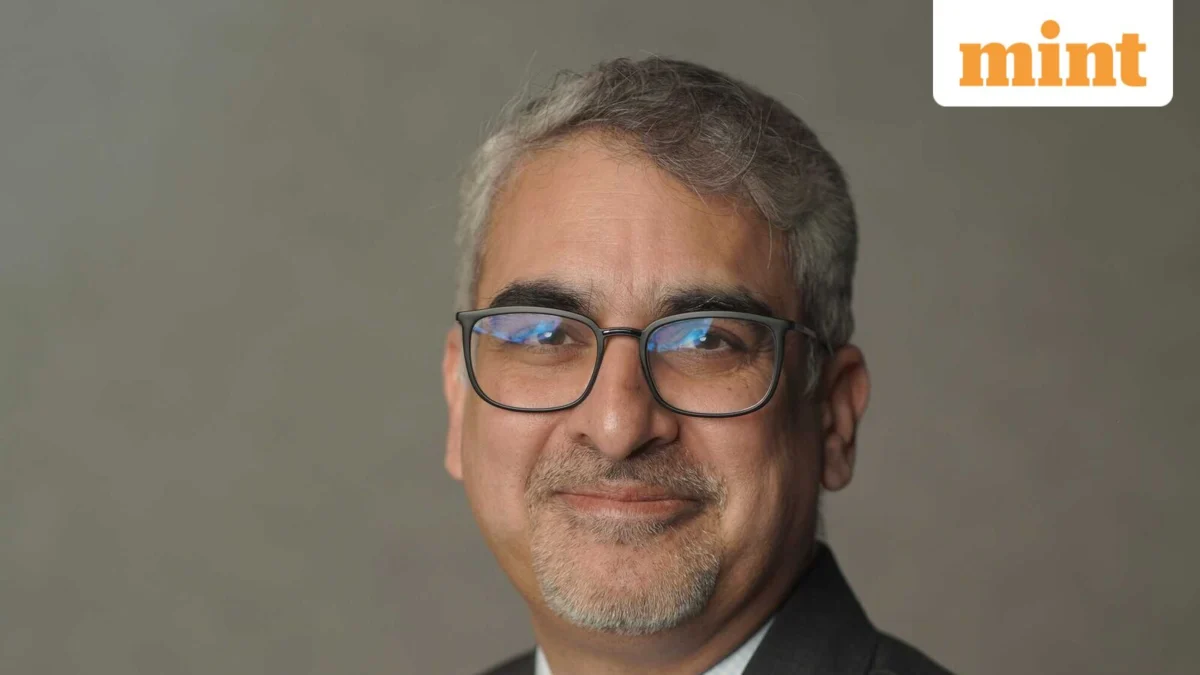
Managing Director Anurag Mehrotra highlighted the significant improvement in technology collaboration with SAIC’s engineering teams, noting a tangible ease in operational aspects, including visa processing and cross-border exchanges. This enhanced fluidity has directly enabled the acceleration of product development and a substantial strengthening of engineering capabilities within India. Such collaborative frameworks are vital for knowledge transfer, skill development, and the eventual nurturing of an indigenous R&D ecosystem. The ability to leverage SAIC’s global expertise while localizing design and manufacturing processes is key to developing products that are both globally competitive and specifically tailored for Indian conditions, from road infrastructure to climate variations.
India’s automotive sector is undergoing a profound transformation, driven by ambitious government policies aimed at promoting electric mobility and reducing reliance on fossil fuels. The government’s Production Linked Incentive (PLI) scheme for the automotive sector and the Faster Adoption and Manufacturing of Electric Vehicles (FAME-II) scheme are designed to incentivize local manufacturing, attract investments, and accelerate EV adoption. In this context, platforms like MG Adapt, which prioritize localization and multi-energy capabilities, align perfectly with national objectives. The current localization levels for JSW MG Motor India’s products range from 50-60%, with the new platform aiming to push this to 70%. This deeper localization will not only reduce import dependence and strengthen India’s manufacturing base but also create significant employment opportunities across the supply chain, from component manufacturing to assembly and after-sales services.
The financial commitment behind this strategic shift is substantial. JSW MG Motor India plans a capital expenditure of ₹1,400 crore during the current fiscal year, forming part of a larger long-term investment commitment ranging between ₹3,000-4,000 crore until 2030. These investments are earmarked for capacity expansion, R&D, and further localization initiatives, reflecting a robust confidence in the growth potential of the Indian automotive market, particularly within the new-energy vehicle segment. The ownership structure of JSW MG Motor India, with JSW holding 35% and SAIC 49%, alongside stakes held by employees, dealers, and financial institutions, represents a balanced joint venture model that combines global technological prowess with local market insights and strategic financial backing. This structure is designed to harness the strengths of both partners, ensuring sustained growth and market penetration.
Beyond JSW MG Motor India, the JSW Group is pursuing a multi-pronged strategy in the passenger vehicle segment. Its separate venture, JSW Motors, is independently working on product launches through a partnership with Chery, illustrating the group’s intent to diversify its offerings and market presence through distinct collaborations. This dual approach allows JSW to tap into different technological streams and market segments, enhancing its overall resilience and competitive posture in India’s dynamic automotive landscape. The burgeoning middle class, increasing disposable incomes, and a growing environmental consciousness are propelling demand for technologically advanced and eco-friendly vehicles, positioning India as one of the fastest-growing major automotive markets globally.
The broader geopolitical context remains a critical overlay to these business developments. While high-level diplomatic relations between India and China have faced strains, the automotive sector exemplifies a domain where pragmatic commercial interests and strategic technological imperatives often find common ground. China’s undeniable leadership in electric vehicle technology, particularly in battery manufacturing, rare earth elements, and advanced digital integration, makes it a compelling partner for countries like India seeking to accelerate their EV transition. For Chinese firms, India offers a vast, underserved market with immense growth potential, serving as a vital component of their global expansion strategies and a potential hedge against trade tensions in other regions.
Looking ahead, the success of platforms like MG Adapt will be instrumental in shaping India’s automotive future. They promise to democratize access to advanced new-energy vehicle technologies, making them more affordable and tailored to local conditions. The accelerated product development, coupled with deeper localization, is expected to foster a more resilient domestic supply chain, reduce reliance on imports, and position India as a significant player in the global EV manufacturing ecosystem. As India strives to meet its ambitious climate goals and transition towards a sustainable economy, these strategic collaborations and technological platforms will serve as key enablers, propelling the nation towards a greener and more technologically advanced mobility paradigm.