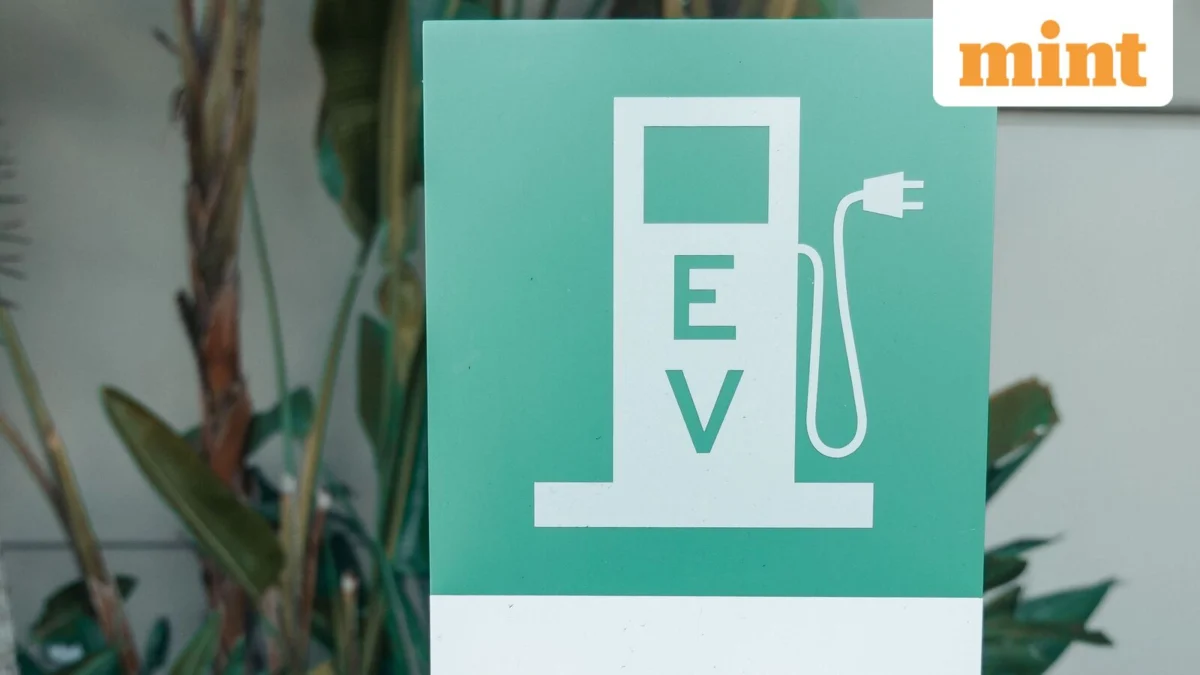
The Indian government has strategically tasked Bharat Heavy Electricals Ltd (BHEL), a leading public sector undertaking, with the manufacturing of 360 kW fast chargers, a pivotal step towards accelerating the electrification of the nation’s long-haul and large commercial vehicle fleet. This directive, outlined in BHEL’s FY26 annual report, marks a significant milestone: these will be India’s inaugural completely indigenous high-capacity fast chargers, developed under the Ministry of Electronics and Information Technology’s flagship Electric Vehicles Sub-systems programme. This initiative underscores a concerted effort to cultivate a robust domestic ecosystem for electric mobility infrastructure, aligning with India’s broader ‘Atmanirbhar Bharat’ (self-reliant India) vision.
The imperative for such high-capacity charging solutions is rooted in the unique operational demands and economic realities of heavy commercial vehicles (HCVs). Electric trucks and buses, while offering substantial long-term savings in fuel and maintenance, currently command a capital expenditure often twice that of their diesel counterparts. To justify this premium and ensure operational viability, these vehicles require minimal downtime and rapid turnaround times, a feat achievable only through an extensive network of high-power fast chargers. While BHEL currently produces 60 kW and 122 kW chargers, primarily catering to large cars and sport utility vehicles, the industry consensus, as highlighted in the company’s July 10 stock exchange filing, indicates that chargers exceeding 240 kW are essential for the efficient charging of electric trucks and buses. Earlier installations by BHEL on national highways, featuring 15 kW Bharat DC and 3.3 kW AC chargers, fall considerably short of the 240-360 kW capacities now deemed necessary for intercity electric buses, according to a parliamentary reply from the Ministry of Heavy Industries.
India’s push for electrifying its transportation sector is driven by a dual mandate: bolstering energy security by reducing reliance on volatile crude oil imports and mitigating the severe environmental impact of carbon and greenhouse gas emissions. The nation imports over 85% of its crude oil requirements, making a transition to electric mobility a strategic imperative. This shift is evident in the government’s evolving policy landscape. While incentive schemes like FAME India, which supported the adoption of electric two-wheelers, three-wheelers, and passenger cars, are either concluding or in their final phases, the focus is now expanding to heavier segments. The Ministry of Heavy Industries announced in April that it is actively developing a new scheme to enhance access to finance for businesses seeking to procure electric trucks and buses, acknowledging the critical role of financial incentives in driving adoption within the commercial sector.
For BHEL, this foray into high-capacity EV charging represents a significant strategic diversification. Traditionally a powerhouse in the engineering, procurement, and construction (EPC) business, known for manufacturing boilers, turbines, and setting up power plants, the company is now pivoting towards emerging energy sectors. Reji Kumar Pillai, president of the India Smart Grid Forum, a think tank supported by the Ministry of Power, observes that "By working on a fully indigenous high-capacity EV charger, BHEL is deepening its diversification." This move not only broadens BHEL’s product portfolio but also positions it at the forefront of India’s green energy transition, leveraging its extensive engineering and manufacturing capabilities for a new generation of industrial products.
The market for EV charging infrastructure in India is rapidly expanding and increasingly competitive. BHEL’s entry into the 360 kW segment pits it against both established Indian players and global giants with strong local manufacturing footprints. Prominent domestic firms include Servotech Power Systems and Exicom Tele-Systems, which have been instrumental in deploying charging solutions across the country. International competitors such as Zurich-based ABB and the Indian subsidiary of Taiwanese manufacturer Delta Electronics also hold significant market share. ABB India operates a manufacturing facility in Nelamangala, near Bengaluru, while Delta Electronics produces its chargers in Krishnagiri, Tamil Nadu. Exicom boasts manufacturing plants in Hyderabad and Gurugram, and Servotech manufactures its chargers in Sonipat, Haryana. This vibrant ecosystem of manufacturers reflects the anticipated growth in demand for robust charging solutions.
Industry experts emphasize the growing relevance of high-power charging. Anant Nahata, Managing Director and CEO of Exicom, notes that "Heavy vehicles are the clearest example (of 360 kW charger use-cases). An electric bus or a commercial truck carries a battery big enough to genuinely use this power, and for those operators every minute at the plug carries a cost." He further adds that the same logic applies to high-traffic sites such as highway corridors, fleet and bus depots, and public hubs where multiple vehicles need simultaneous, rapid charging. Nahata also points out that high-power charging is becoming more critical annually as battery packs grow larger and their ability to accept power safely increases. While most passenger cars currently utilize 180-240 kW chargers, vehicles capable of drawing 360 kW are expected to enter the market soon.
From a technical perspective, a 360 kW DC fast charger can replenish a 360-kWh capacity electric vehicle battery in approximately one hour, drastically reducing charging times compared to conventional chargers. This efficiency is paramount for commercial operations where vehicle uptime directly translates to revenue. An EV charging unit fundamentally comprises two main parts: the "behind-the-meter" infrastructure, which manages power delivery from the grid and ensures operational stability, and the "supply equipment," which is the charger unit itself, housing the charging gun that connects to the vehicle. Advanced features are continuously being integrated into these systems. Arun Handa, Chief Technology Officer at Servotech Renewable Power System Ltd, highlights dynamic power sharing as a valuable innovation. This feature intelligently distributes available power among multiple charging outlets based on the real-time charging requirements of connected vehicles, optimizing energy use and reducing overall charging times in multi-vehicle depots.
Despite the ambitious indigenous development goals, significant challenges persist, particularly concerning the localization of critical components. While Servotech’s DC fast chargers boast an 80% localization rate, Handa explains that "certain critical technologies, including high-power IGBT and SiC semiconductor dies, advanced semiconductor packaging, specialized PLC communication chipsets, high-frequency magnetic materials, and select automotive-grade electronic components, are still sourced globally." These components rely on highly specialized semiconductor and advanced electronics manufacturing ecosystems that are still nascent or evolving in India. Achieving complete indigenization will necessitate substantial investments in advanced manufacturing capabilities and a robust supply chain development strategy to reduce reliance on international suppliers.
The economic implications of this indigenous charging infrastructure push are profound. It promises to unlock the full potential of electric heavy commercial vehicles, transforming India’s logistics and public transportation sectors. Reduced operational costs for fleet operators, coupled with a cleaner, more sustainable transportation paradigm, will contribute significantly to India’s GDP and its commitment to global climate targets. The development of a local manufacturing base for these advanced chargers will also foster job creation, enhance technological expertise within the country, and potentially open avenues for export to other developing economies seeking similar solutions. This strategic investment in core infrastructure is not merely about charging vehicles; it is about powering India’s economic growth and cementing its position as a leader in sustainable mobility. As the nation charts its course towards a net-zero future, the indigenous development of high-capacity EV charging solutions for heavy transport will undoubtedly be a cornerstone of this transformative journey.