The recent cessation of hostilities between Iran and its regional adversaries has cast a spotlight on Beijing’s evolving role as a global power broker, though the motivations behind China’s “active efforts” appear rooted more in domestic economic preservation than in a desire to reshape the geopolitical order. As a temporary ceasefire takes hold following a period of intense military escalation, the narrative of China as a rising diplomatic titan is being tempered by the reality of its vulnerability to global trade disruptions. While Beijing’s fingerprints are visible across the diplomatic maneuvers that led to the truce, analysts suggest that China’s primary objective remains the protection of its export-led economy and the stabilization of energy markets rather than the assumption of a costly security role in the Middle East.
The diplomatic flurry began in earnest following the U.S.-Israel strikes on Iranian targets in late February, an escalation that threatened to ignite a broader regional conflagration and shut down the world’s most vital energy artery. In the weeks that followed, Chinese Foreign Minister Wang Yi engaged in an intensive campaign of “telephone diplomacy,” conducting no fewer than 26 high-level calls with counterparts in Tehran, Riyadh, Berlin, and Moscow. This proactive stance was publicly acknowledged by the Chinese Foreign Ministry, which described its actions as “active efforts” to restore peace. However, beneath the veneer of neutral mediation lies a calculated strategy to prevent a systemic shock to the Chinese economy, which remains deeply integrated with and dependent upon global maritime stability.
The Facilitator Rather Than the Enforcer
Despite the high-profile nature of its involvement, Beijing has been careful to distinguish its role from that of a traditional mediator. International observers, including those within the Council on Foreign Relations, note that China’s actions are better described as facilitation or brokering rather than direct intermediation. Unlike the United States, which often utilizes a combination of military presence and economic sanctions to enforce diplomatic outcomes, China relies on its status as a primary trade partner to nudge parties toward the negotiating table.
This distinction is critical for understanding Beijing’s long-term foreign policy. By facilitating dialogue without assuming the responsibilities of a security guarantor, China avoids the “quagmire” risks that have historically plagued Western interventions in the Middle East. In the current crisis, China’s role was to provide the diplomatic space and political cover necessary for Iran to consider a de-escalation, particularly as the economic costs of the conflict began to outweigh the strategic gains for Tehran. This approach was bolstered by China’s previous success in 2023, when it helped restore diplomatic ties between Iran and Saudi Arabia, signaling to the region that Beijing is a viable alternative to Washington for conflict resolution.

The Export Imperative and Global Growth Risks
The urgency of China’s diplomatic push is underscored by the precarious state of its domestic economy. Net exports continue to account for approximately one-third of China’s Gross Domestic Product (GDP), a figure that highlights the nation’s sensitivity to any disruption in international shipping or global consumer demand. A prolonged conflict in the Middle East, particularly one that threatens the Strait of Hormuz, represents an existential threat to China’s “dual circulation” economic strategy, which seeks to balance domestic consumption with international trade.
The International Monetary Fund (IMF) has already issued warnings that global growth is set to decelerate even if the current ceasefire holds, citing the "lingering shadow of uncertainty" hanging over the Persian Gulf. For China, a global downturn is not merely a statistical concern but a direct threat to social stability and industrial output. Factory margins in China’s manufacturing hubs are already being squeezed by rising input costs, and any further volatility in the energy markets could lead to widespread layoffs and reduced industrial competitiveness on the global stage.
Energy Security and the Strait of Hormuz
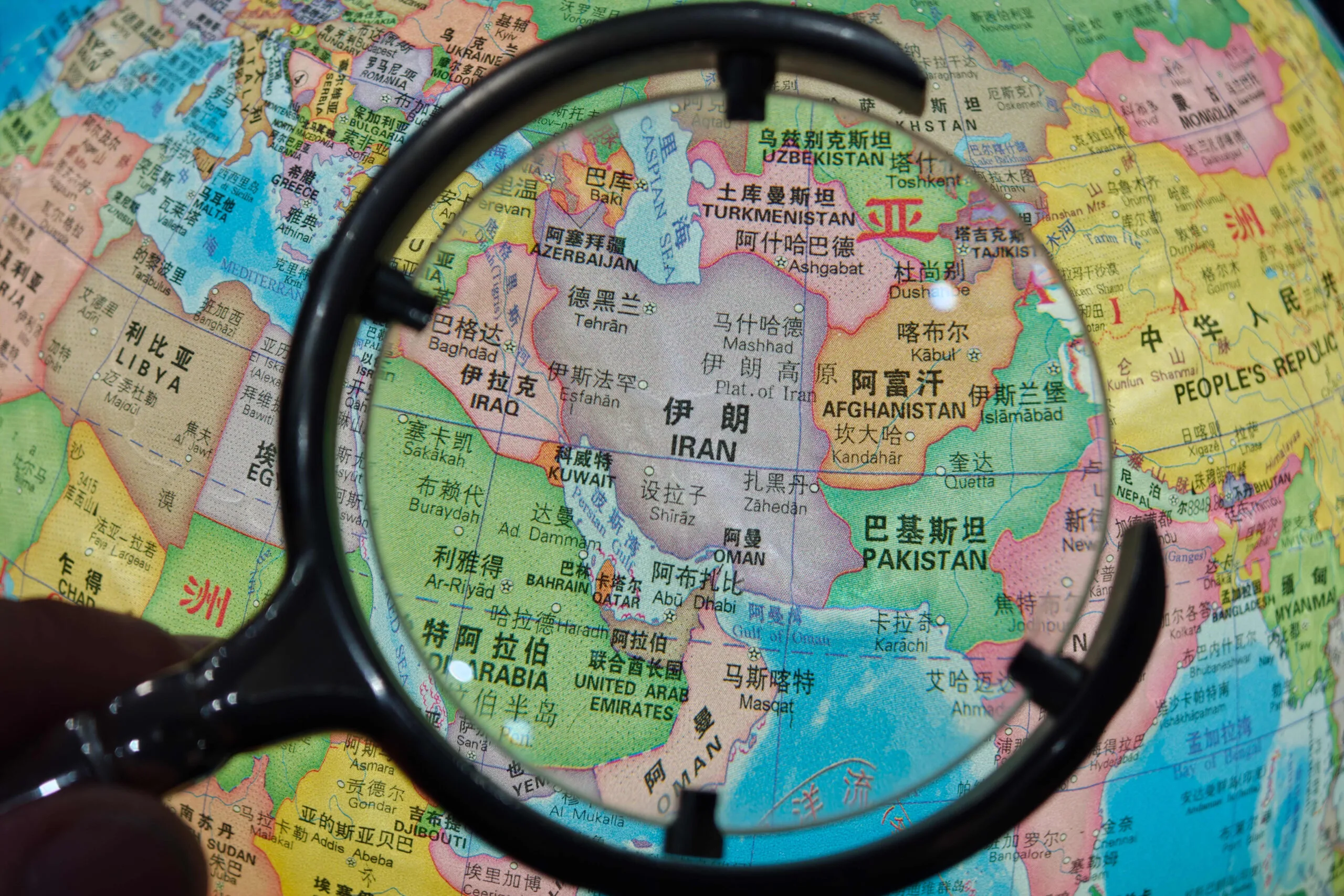
Perhaps the most significant driver of Beijing’s intervention is the security of the Strait of Hormuz. This narrow waterway, which connects the Persian Gulf to the Gulf of Oman, handles roughly 20% of the world’s total oil supply. For China, the stakes are disproportionately high; nearly half of its seaborne oil imports pass through this chokepoint. While oil accounts for only about 6.6% of China’s total energy consumption—thanks to its massive investments in coal, renewables, and nuclear power—the volatility of oil prices has a cascading effect on the entire Chinese economy.
In March alone, domestic gasoline prices in China surged by 11%, forcing the National Development and Reform Commission (NDRC) to hike official fuel prices twice in a six-week window. These increases, totaling approximately 1,580 yuan per metric ton, have hit Chinese consumers and logistics companies hard. While Beijing maintains strategic crude stockpiles sufficient to cover three to four months of demand, the psychological and inflationary impact of a closed Strait is something the leadership is desperate to avoid. The fact that Iran has continued to ship oil to China despite the hostilities suggests a "special relationship," but the physical restriction of the waterway remains a red line for Chinese economic planners.
The Pakistan Connection and Regional Stability
The upcoming ceasefire talks in Islamabad highlight another layer of China’s regional strategy: the use of proxy facilitators. Pakistan, a long-standing ally of Beijing and a neighbor to Iran, is set to host Iranian and U.S. leaders for a summit aimed at formalizing the truce. By supporting Pakistan’s mediation efforts, China can exert influence without being the primary face of the negotiations. This allows Beijing to maintain its "non-interference" doctrine while ensuring that its interests—specifically the restoration of normal passage through the Strait of Hormuz—are represented.

In late March, China and Pakistan released a joint peace plan that specifically called for an immediate ceasefire and the unconditional reopening of maritime routes. This plan stands in contrast to Western-led efforts in the UN Security Council, which China and Russia have criticized as being overly focused on military coordination rather than diplomatic de-escalation. By vetoing resolutions that Beijing perceives as Western overreach, China is positioning itself as the champion of a "new era" of diplomacy that prioritizes sovereign consent over international intervention.
Structural Tensions and the Limits of Influence
While the ceasefire is a temporary victory for Chinese diplomacy, it does little to resolve the underlying structural tensions between Beijing and Washington. The Trump administration’s approach to the Middle East, characterized by "maximum pressure" and unpredictable military strikes, is viewed by Beijing as the primary source of regional instability. Conversely, Washington remains skeptical of China’s intentions, viewing its diplomatic maneuvers as a cynical attempt to reap the benefits of a rules-based order without contributing to its defense.
The reality is that China’s influence in the Middle East is limited by its lack of military power projection. While it can broker deals and facilitate phone calls, it cannot secure the Strait of Hormuz through force, nor can it provide the comprehensive security guarantees that many regional players still seek from the United States. This leaves China in a delicate position: it is powerful enough to be a necessary party to any peace deal, but not yet willing or able to take responsibility for the region’s long-term security.
A Calculated Path Forward
As the world watches the fragile ceasefire in the Middle East, the focus remains on whether Beijing will transition from a "fair-weather diplomat" to a consistent global leader. For now, the evidence suggests that China’s "active efforts" will remain tethered to its economic ledger. The restoration of trade flows and the stabilization of energy prices are the metrics by which Beijing will judge the success of its diplomacy.
In the long run, the story of the Iran ceasefire is less about the end of a conflict and more about the rise of a new kind of superpower—one that views the world through the lens of supply chains and export markets rather than ideological blocs. As long as the Strait of Hormuz remains open and Chinese goods continue to reach global markets, Beijing will consider its diplomatic mission accomplished. However, should the regional architecture fail again, the limits of "business-first" diplomacy may be tested in ways that phone calls and trade deals cannot resolve.