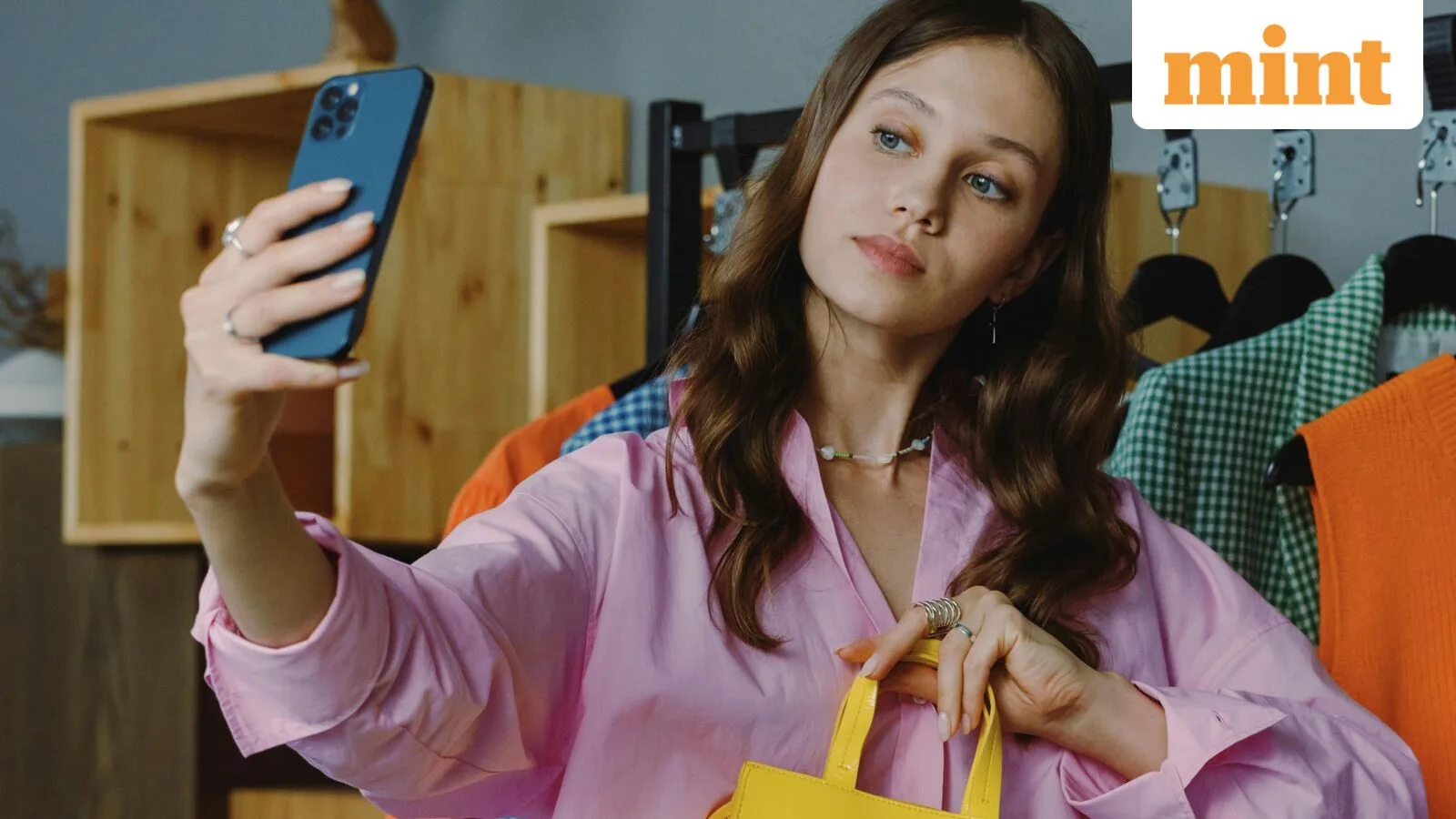
Meta Platforms has finally activated direct shopping functionalities within Instagram Reels, marking a pivotal shift in its monetization strategy and igniting a new phase in the global social commerce race. This long-anticipated development, allowing creators to embed product links directly into their short-form video content and posts, ushers in a new era of seamless, in-app transactions and promises a significant revenue stream for creators through commissions on purchases. The move effectively dismantles the cumbersome "link in bio" workaround, streamlining the consumer journey from discovery to purchase and transforming creator content into a potent sales channel.
The core of Meta’s latest initiative is to empower its vast creator ecosystem to become direct sales agents. Businesses across 22 countries, including the burgeoning Indian market, will soon be able to integrate their product catalogues directly with Instagram, enabling creators to tag specific items within their Reels. This integration aims to bridge the gap between aspirational content and transactional outcomes, offering brands unprecedented access to highly engaged audiences through trusted influencer recommendations. Beyond direct product linking, Meta is also investing heavily in generative AI tools to augment content creation. Features like digital avatars and AI-powered voiceovers are designed to support the "faceless video" trend, while automated translations promise to scale content reach across diverse linguistic markets. Early beta tests of these AI video tools have reportedly shown a 10% uplift in click-through rates and improved conversion metrics, underscoring their potential to accelerate content production and enhance commercial efficacy.
This strategic enhancement carries profound implications for the global creator economy, which is projected to exceed a market value of $250 billion by 2027. Historically, Instagram creators have primarily monetized their presence through direct brand collaborations, sponsored posts, and campaigns. While lucrative for top-tier influencers, this model often presented challenges for emerging creators in securing consistent income. The introduction of shoppable Reels fundamentally alters this dynamic by enabling passive income generation from every sale driven through their content. For the millions of creators worldwide, particularly the over 5 million in India, this represents a game-changer. Nano and micro-creators, often characterized by highly engaged, niche audiences, are poised for particular gains. Influencer marketing platform data consistently shows that while mega-influencers command higher per-post fees, smaller creators frequently achieve superior conversion rates due to their perceived authenticity and closer community ties. As Shudeep Majumdar, co-founder and CEO of influencer marketing platform Zefmo, articulated, "Micro and mid-tier creators with highly engaged audiences stand to benefit most with Meta’s affiliate program, as their conversion rates often outperform mega influencers." This shift implies that performance, measured by attributable sales, will increasingly become the dominant currency in creator-brand partnerships, rewarding genuine influence over mere reach.
The competitive landscape for social commerce is intensifying, with Meta’s move coming hot on the heels of rival platforms’ aggressive pushes into the space. YouTube, a formidable competitor, launched its product tagging feature in 2024, allowing creators to tag items in both long-form videos and Shorts, earning commissions on sales. YouTube further intensified its efforts by significantly lowering the eligibility criteria for its affiliate program, reducing the minimum subscriber count from 10,000 to just 500. This strategic adjustment aims to onboard a broader base of emerging creators, making YouTube an increasingly attractive and lucrative platform, particularly for those struggling to secure direct brand deals in Instagram’s more saturated environment. YouTube’s success has been bolstered by partnerships with major e-commerce players like Nykaa, Flipkart, Purple, Tira, and Myntra, allowing creators to maximize income during peak shopping seasons like Flipkart’s Big Billion Days or Nykaa’s Pink Sale. The race to capture creator loyalty and e-commerce transactions is now a full-blown battle, with platforms vying to offer the most seamless monetization tools and the most expansive brand partnerships.

Beyond enhancing creator monetization, Instagram’s strategic evolution also signals a significant disintermediation of traditional marketing agencies and SaaS platforms. For years, these intermediaries played crucial roles in connecting brands with creators, facilitating campaigns, managing contracts, and handling affiliate link generation and payout tracking. Instagram has progressively absorbed many of these functions. The launch of its Creator Marketplace, offering a database of over 1.5 million creator profiles with audience filters, provided brands direct access to talent, bypassing agency fees. Subsequently, "Partnership Ads" allowed brands to amplify creator content into performance campaigns, reportedly cutting acquisition costs by 19%. Now, shoppable tags directly challenge the business models of affiliate marketing firms like Wishlink, which previously handled the complexities of link generation, tracking, and commission payouts for Instagram creators. By bringing these functionalities in-app, Instagram not only streamlines the process but also centralizes data, giving brands instant analytics and creators direct, transparent payouts, further eroding the necessity for third-party intermediaries. This move positions Instagram not just as a social media platform, but as a comprehensive e-commerce ecosystem.
The economic ramifications of this shift are substantial. The global social commerce market is projected to reach nearly $2 trillion by 2030, driven by rising internet penetration, increasing mobile commerce, and the pervasive influence of social media. Asia-Pacific, particularly China, has historically led this trend, with platforms like Douyin (TikTok’s Chinese version) and WeChat pioneering in-app shopping experiences. Meta’s aggressive push into shoppable content, alongside TikTok Shop’s expansion in Western markets, signifies a global acceleration of this paradigm. Brands are now compelled to reallocate marketing budgets, shifting from traditional advertising to performance-based influencer marketing that directly correlates content engagement with sales. This fosters a more accountable marketing environment, where every dollar spent on creator collaborations can be directly tied to revenue generation. Consumers, in turn, are increasingly accustomed to a blurred line between entertainment and shopping, expecting immediate access to products featured by their favorite creators. This creates a highly immersive and personalized shopping experience that traditional e-commerce struggles to replicate.
However, this rapid commercialization of content is not without its risks. A primary concern is "viewer fatigue." As creators are incentivized to tag and recommend products more frequently, there’s a tangible risk of content becoming overly commercialized, transforming Reels from an engaging entertainment feed into a relentless sales pitch. This could alienate audiences who prioritize authentic content and connection over constant product placements. Creators will face the delicate challenge of balancing commercial imperatives with the need to maintain authenticity and deliver genuine value to their followers. Success will hinge on their ability to seamlessly integrate product recommendations into their narrative without sacrificing the quality or integrity of their content. Furthermore, regulatory bodies globally are increasing scrutiny on influencer marketing, demanding clear disclosures for sponsored content and affiliate links to protect consumers from deceptive practices. Platforms and creators will need to adhere strictly to these guidelines to maintain trust and transparency.
In conclusion, Meta’s integration of shoppable Reels is more than just a new feature; it is a strategic repositioning within the digital economy. It represents a bold assertion of Meta’s intent to capture a larger share of the burgeoning social commerce market, transform its platforms into full-fledged transactional hubs, and fundamentally reshape the creator-brand-consumer dynamic. By empowering creators with direct monetization tools and streamlining the path to purchase, Meta is not only offering new revenue streams but also intensifying the competition among platforms for creator loyalty and e-commerce dominance. The future of digital retail is undeniably social, and platforms like Instagram and YouTube are at the vanguard, transforming likes and views into direct sales, and redefining the very essence of online commerce. The ultimate success will depend on how effectively creators navigate the delicate balance between commercial opportunity and authentic engagement, ensuring that the new digital bazaar remains a place of value and trust for its vast global audience.