The delicate equilibrium of global commodity markets was shattered this week as a dramatic intensification of geopolitical hostilities in the Middle East sent shockwaves through trading floors from London to New York. In a move that caught many "safe-haven" investors off guard, a massive liquidation event swept through both precious and industrial metals, catalyzed by a surge in energy prices that has fundamentally recalibrated the global inflation outlook. The traditional inverse relationship between geopolitical instability and gold prices appears to have been momentarily severed, replaced by a more pressing fear: a return to the "higher-for-longer" interest rate regime and the looming specter of a recessionary energy shock.
The scale of the retreat was staggering. Gold, typically the first port of call for investors fleeing volatility, experienced a violent 6% correction on Thursday, marking one of its most significant single-day declines in recent memory. Silver followed suit with an even more pronounced 8% drop. However, the most concerning signal for global economists was the contagion that spread into the industrial complex. Copper, often referred to as "Doctor Copper" for its ability to diagnose the health of the global economy, fell by 2%, while palladium—a critical component in automotive manufacturing—plunged 5.5%.
This broad-based sell-off is not merely a technical correction but a reflection of a profound shift in market psychology. At the heart of this volatility is the escalating conflict between the United States and Iran. As military engagements intensify, the primary concern for market participants has pivoted from immediate physical risk to the secondary economic consequences of an energy price spike. Crude oil prices have surged in response to the conflict, reigniting fears that the hard-won progress made by central banks in taming inflation over the past two years may be rapidly undone.
The mechanism driving this metals rout is rooted in the bond market. Higher oil prices act as a potent inflationary force, effectively forcing investors to price out previously anticipated interest rate cuts by the Federal Reserve and other major central banks. When inflation expectations rise alongside energy costs, government bond yields tend to follow. On Thursday, the yield on the benchmark U.S. 10-year Treasury note breached the critical 4.300% threshold. For non-yielding assets like gold and silver, rising real yields are a significant headwind. As the opportunity cost of holding bullion increases—because investors can earn a guaranteed return on government debt—the appeal of precious metals diminishes.
Furthermore, the prospect of prolonged high interest rates has breathed new life into the U.S. dollar. Because most global commodities are denominated in greenbacks, a stronger dollar makes these assets more expensive for holders of other currencies, naturally depressing demand and driving prices lower. This "double whammy" of rising yields and a surging dollar has effectively neutralized gold’s traditional role as a hedge against war.
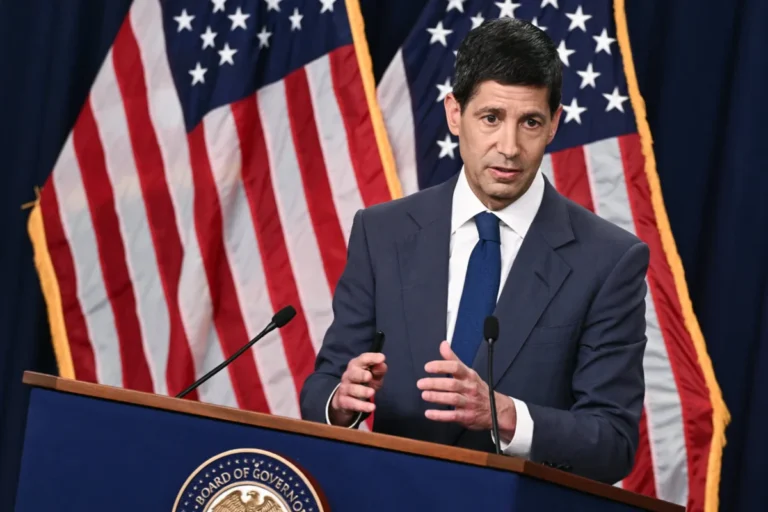
Market analysts suggest that we are witnessing a rare alignment of negative factors. Peter Boockvar, Chief Investment Officer at One Point BFG Wealth Partners, noted that the risk of inflation neutralizing the Federal Reserve’s planned rate cuts has become the dominant narrative. According to Boockvar, the increase in real rates across the globe has acted as a persistent drag on the gold market, overshadowing the geopolitical risk premium that would normally support the metal.
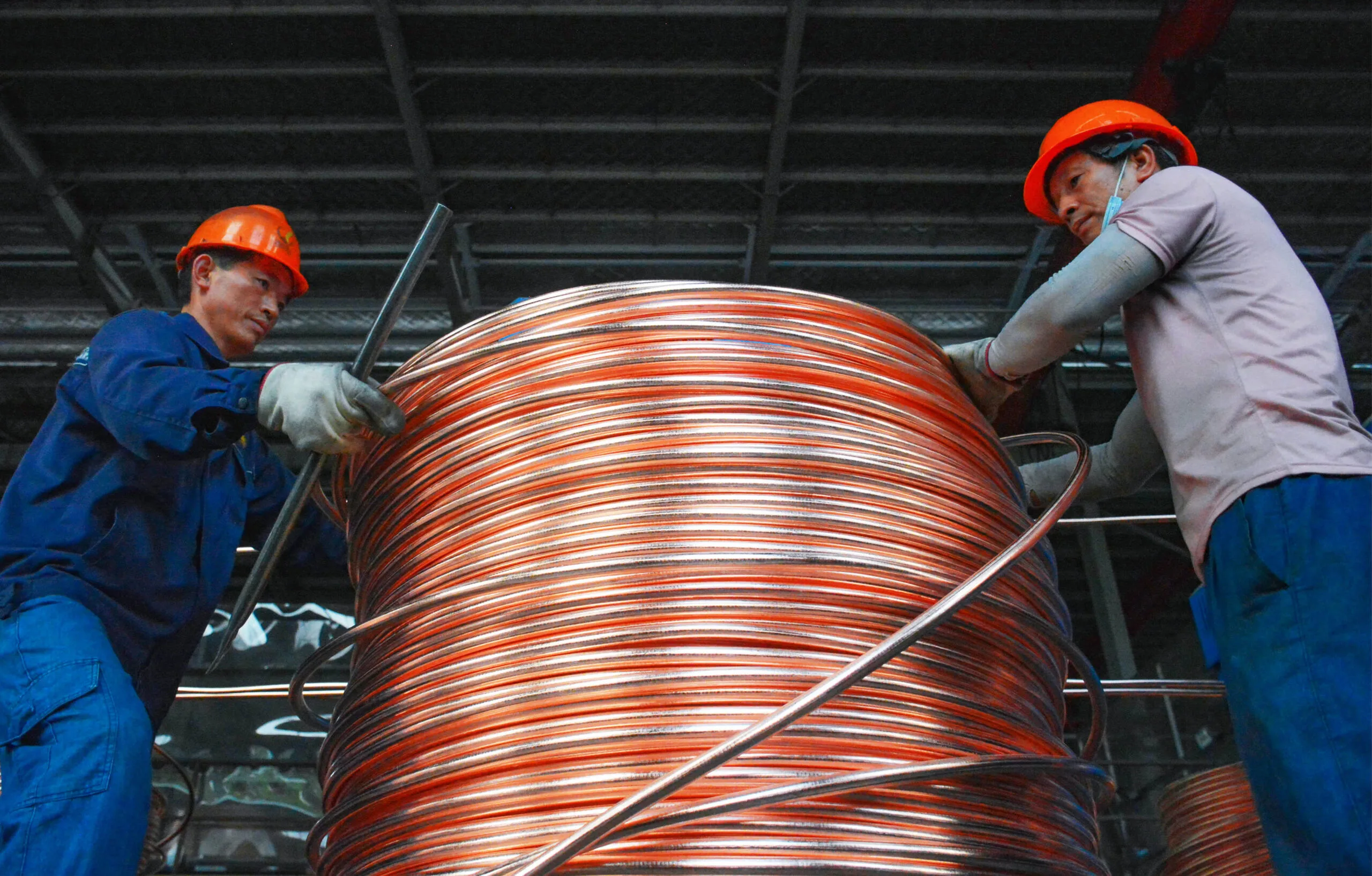
While the decline in precious metals is a matter of portfolio rebalancing, the slump in industrial metals like copper and palladium points to a more systemic anxiety: the threat of "demand destruction." Industrial metals are the literal building blocks of the modern economy. Copper is indispensable in everything from high-tech electronics and electrical grids to basic plumbing and construction. A sustained drop in copper prices is frequently interpreted as a leading indicator of an impending slowdown in manufacturing and infrastructure development.

The prevailing consensus on Wall Street is that the longer the U.S.-Iran conflict persists, the higher the probability that elevated energy costs will act as a "tax" on both consumers and corporations. When energy prices remain high for an extended period, discretionary spending typically contracts as households allocate more funds to fuel and heating. For businesses, higher transport and production costs squeeze profit margins, leading to a reduction in capital expenditure. This cycle often culminates in a recession—a scenario that traders are now beginning to price into the industrial metals market.
This intersection of rising costs and slowing growth has brought the term "stagflation" back into the financial lexicon. Stagflation, a rare and painful economic condition characterized by stagnant growth, high unemployment, and high inflation, is the ultimate nightmare for central bankers, as the traditional tools used to fight inflation (higher rates) typically exacerbate the growth slowdown.
However, not all economic historians agree that a 1970s-style stagflationary crisis is inevitable. Ed Yardeni, President of Yardeni Research, has argued that modern economies are more resilient to energy shocks than they were during the OPEC embargoes of the 20th century. Yardeni pointed to the 2022 invasion of Ukraine by Russia as a recent example; while that conflict caused a massive oil and gas spike that fueled inflation, it did not trigger a global recession. This perspective suggests that while the current market volatility is severe, the underlying structural strength of the global economy might prevent a total collapse.
Federal Reserve Chairman Jerome Powell has also signaled a degree of caution regarding the stagflation narrative. In recent communications, Powell has reserved the term for only the most dire of circumstances, suggesting that the current volatility, while significant, does not yet meet the criteria for a systemic stagflationary event. Nevertheless, the central bank finds itself in an increasingly tight corner, forced to weigh the necessity of controlling energy-driven inflation against the risk of stifling economic momentum.
The fiscal implications of the war are also beginning to weigh on long-term outlooks. The conflict is expected to necessitate a significant increase in military spending, which will likely expand already bloated national deficits. In this context, some analysts believe that gold may eventually find a floor and begin a recovery. This is known as the "debasement trade." As governments borrow more to fund military operations, the long-term value of fiat currency is called into question, potentially restoring gold’s status as the ultimate store of value.
Christian Mueller-Glissmann, head of asset allocation research at Goldman Sachs, highlighted this potential silver lining for gold bulls. He noted that in the event of a continued stagflationary shock—particularly one where real yields eventually begin to decline as growth slows—investor demand for real assets and currency diversification would likely provide a strong tailwind for gold prices.
For now, the markets remain in a state of high-alert observation. The "demand destruction" phase of the energy shock is currently the primary concern for commodity traders. If the conflict shows signs of de-escalation, the pressure on oil might ease, allowing industrial metals to stabilize and perhaps even rebound as the focus shifts back to the global energy transition—a process that requires immense quantities of copper and nickel. Conversely, if the war broadens, the flight from industrial commodities could accelerate as the world prepares for a period of economic hibernation.
The current sell-off serves as a stark reminder of how interconnected global markets have become. A localized conflict in the Middle East can, within hours, reshape the valuation of a copper mine in Chile, a gold vault in Switzerland, and a semiconductor factory in Taiwan. As the dust settles on this week’s dramatic price movements, investors are left to grapple with a new reality: in a world of geopolitical fragmentation, the traditional rules of safe-haven investing are being rewritten in real-time.