India is strategically strengthening its position in the competitive global coffee and tea markets, propelled by a discernible shift towards value-added offerings and a growing international appetite for premium, sustainably sourced products. This trajectory signifies a maturing export strategy, moving beyond raw commodity trade to embrace specialized segments that command higher price points and foster greater brand recognition. The robust performance observed in recent fiscal data underscores a pivotal moment for these traditional agricultural sectors, positioning India as a significant player in an evolving global landscape.
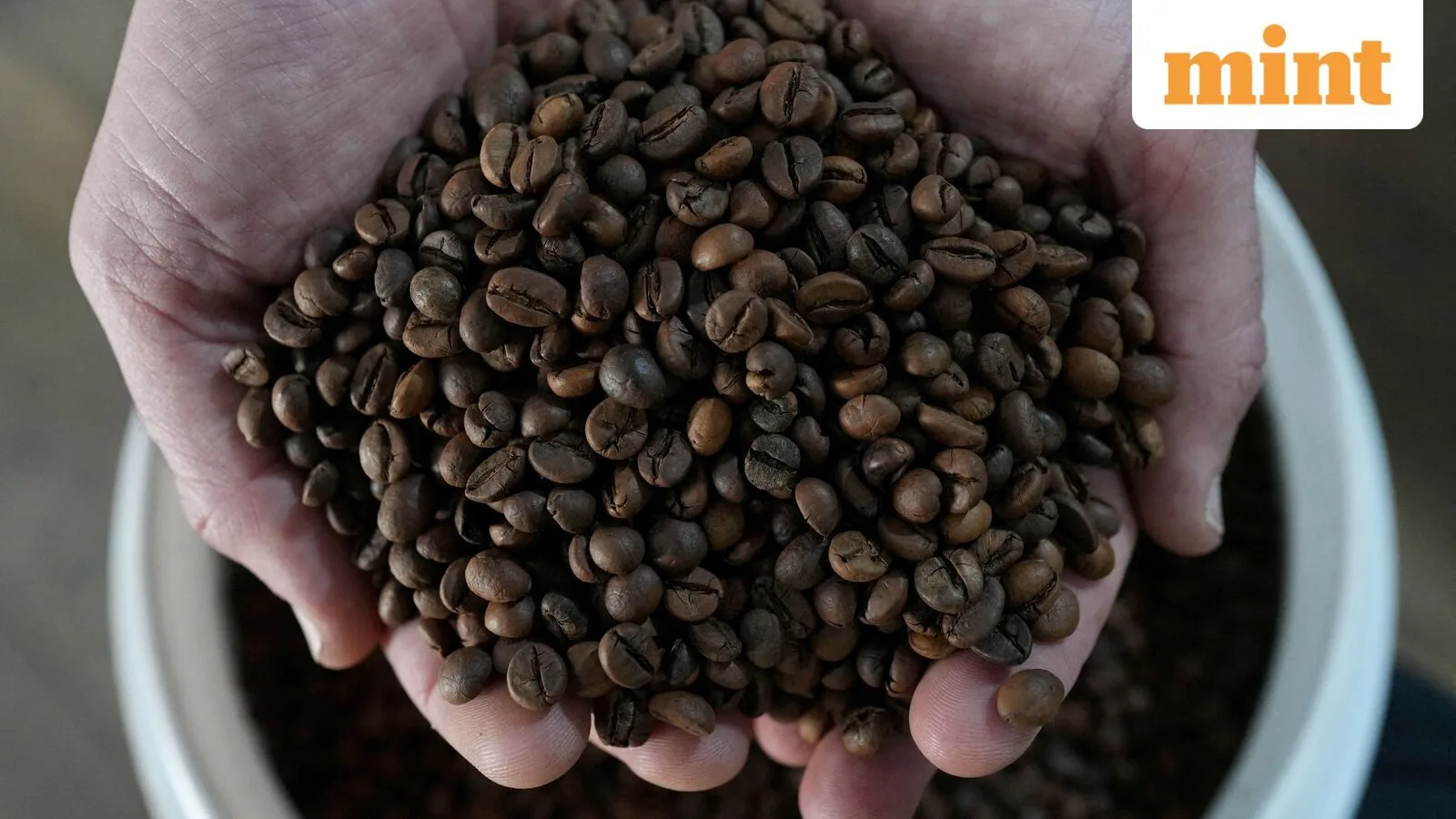
The nation’s coffee exports have demonstrated particularly impressive vitality, registering a substantial 20% year-on-year increase to reach $1.86 billion between April and February of the current fiscal year, up from $1.54 billion in the corresponding period last year. This remarkable growth builds on a sustained upward trend, with coffee exports having consistently surpassed the $1 billion mark for the past five years, a testament to the sector’s resilience and growing global appeal. The current figures have already outstripped last year’s record of over $1.8 billion, signalling a new high watermark for Indian coffee. A closer examination of the data for April-January reveals a climb from $1.36 billion to $1.62 billion, with instant coffee emerging as a significant contributor, accounting for $498 million of the total. This highlights a clear trend towards processed, convenience-oriented products that align with modern consumer lifestyles.
This growth is not merely volumetric but deeply rooted in India’s unique cultivation practices. Indian coffee, predominantly grown under a canopy of shade trees, is hand-picked and cultivated using sustainable methods, imbuing it with distinct flavour profiles and a compelling narrative for discerning global consumers. These practices contribute to a low-acidity, full-bodied cup, differentiating it from sun-grown varieties common in other major producing nations. The emphasis on environmental stewardship and social responsibility resonates strongly with ethical consumerism trends in developed markets, allowing Indian coffee to carve out a premium niche. Major export destinations for Indian coffee reflect this pursuit of quality, with Italy leading at 16% ($251 million), followed by Germany (9%, $144 million), and Russia (8%, $137 million). Emerging markets in the United Arab Emirates, the United States, Belgium, and various West Asian nations like Jordan, Libya, and Turkey are also showing increased demand, diversifying India’s export portfolio and reducing reliance on any single market.
Parallel to coffee’s ascent, India’s tea exports have maintained a steady growth trajectory, rising 11% to $934.9 million from $842.5 million during the April-February period. For April-January, exports grew from $768 million to $865 million. This expansion has been primarily driven by bulk black tea and larger pack formats, catering to diverse global preferences. However, demand for retail packs and tea bags has also remained stable, indicating a balanced market presence across different product segments. The year 2025 marked a particularly strong performance for Indian tea, achieving a record 280 million kg in exports with earnings equivalent to approximately ₹8,488 crore. Orthodox tea, known for its distinct aroma and taste, saw an impressive 20% rise in exports, reaching 128.47 million kg. This varietal, which includes renowned names like Darjeeling, Assam, and Nilgiri, often fetches higher prices in international markets due to its quality and unique characteristics.
The global market for Indian tea is remarkably diverse, with the UAE serving as the largest market, accounting for 20% ($173 million) of exports, frequently acting as a re-export hub for the broader Middle East and North Africa region. Iraq follows with 12% ($100 million), demonstrating consistent demand rooted in cultural consumption patterns. Other significant markets include the United States (7%), Russia (6%), the United Kingdom (6%), Iran (5%), China (5%), and Germany (4%). This broad geographical spread helps mitigate risks associated with over-reliance on a few markets. However, geopolitical factors, particularly concerns around the Strait of Hormuz and broader Red Sea shipping disruptions, pose potential threats to the stability of these export volumes. Such disruptions can lead to increased shipping costs, extended transit times, higher insurance premiums, and potential delays in payment cycles, impacting price realizations and market access for Indian tea exporters. The Red Sea crisis, for instance, has rerouted significant global shipping traffic, adding weeks to voyages and increasing operational expenses, which inevitably affects the competitiveness of bulk commodities.
India’s standing as the world’s seventh-largest coffee grower, with Robusta beans constituting approximately 72% of total production, underscores its fundamental agricultural strength. The coffee and tea sectors together provide direct employment to over two million people, playing a crucial role in rural livelihoods, particularly in the southern states for coffee and northeastern regions for tea. These industries are not merely economic engines but also vital social institutions, supporting countless families and contributing significantly to the foreign exchange earnings of the nation. The upward trend in export earnings, despite a brief dip during the global pandemic, reflects enduring international demand and India’s capacity to meet it.
Despite these encouraging trends, the Indian coffee and tea sectors stand at a critical inflection point. While the country produces some of the finest varieties globally, a significant portion of its exports remains rooted in bulk commodity trade rather than value-added, branded offerings. This reliance often limits profit margins and restricts the full realization of India’s potential in premium markets. Products with Geographical Indication (GI) status, such as Darjeeling tea, Nilgiri tea, Araku Valley coffee, and Coorg coffee, possess immense global appeal and can command substantial premiums. However, their potential remains largely underutilized due to fragmented marketing strategies, limited international visibility, and challenges in enforcing intellectual property rights globally. Strengthening the branding and marketing of these unique origin coffees and teas could unlock significant value, positioning them alongside other globally recognized luxury food and beverage items.
To fully capitalize on this momentum, strategic interventions are imperative. Enhanced investment in processing infrastructure, quality control mechanisms, and packaging innovation is crucial to further elevate the value proposition of Indian products. Government support, through export promotion schemes, trade agreements, and robust diplomatic efforts to safeguard shipping lanes, will be vital. Furthermore, fostering greater collaboration between growers, processors, and exporters can lead to more cohesive marketing efforts and a stronger collective brand identity. Leveraging digital platforms and e-commerce for direct-to-consumer sales in international markets could also bypass traditional distribution channels and capture higher margins. Investing in research and development for climate-resilient varieties and sustainable farming practices will also ensure long-term sector viability in the face of environmental challenges. By strategically navigating global demand shifts and addressing existing marketing and infrastructure gaps, India’s coffee and tea sectors are well-poised to continue their aromatic ascent, carving out a deeper and more valuable niche in the global marketplace.