The echoes of historical "poop wars" over guano, the prized nitrogenous fertilizer of the 19th century, resonate uncannily in the modern era as geopolitical tensions in West Asia threaten the global supply of synthetic nitrogen. Centuries ago, nations vied for control of seabird droppings; today, the stakes are far higher, tied to the industrial marvel of the Haber-Bosch process, which extracts nitrogen from the air using natural gas as a primary input. This ingenious invention, pioneered by German chemist Fritz Haber, transformed agriculture, averting widespread famines and fueling a population boom by making nitrogenous fertilizers, primarily urea, widely available. However, its profound reliance on a volatile energy source now exposes critical vulnerabilities in the global food system, particularly for import-dependent agricultural giants like India.
Nitrogen, a fundamental building block for plant growth, is indispensable for the cultivation of staple crops such as rice, wheat, maize, and sugarcane, which lack the natural ability of legumes to fix atmospheric nitrogen. Consequently, urea stands as the cornerstone of global agricultural productivity, making its uninterrupted supply a matter of national food security for many nations. India, with its vast agricultural landscape and a burgeoning population, is one of the world’s largest consumers of urea, projected to utilize nearly 40 million tonnes by the close of the current fiscal year. This monumental consumption is heavily underpinned by government subsidies, amounting to an estimated ₹1.26 trillion for urea alone, with an additional ₹60,000 crore allocated for non-urea fertilizers. A significant quarter of this vital nutrient is sourced through international markets, rendering India acutely susceptible to global supply shocks.
The ongoing conflict in West Asia has starkly illuminated this fragility. India’s domestic urea production is intrinsically linked to imported natural gas, with approximately 85% of the feedstock originating from international suppliers, predominantly Qatar. The recent escalation of hostilities, including attacks on critical energy infrastructure in the region, such as the major liquefied natural gas (LNG) facilities in Qatar’s Ras Laffan, has severely disrupted this lifeline. Reports indicate that a single strike on the Ras Laffan facility could cripple up to 17% of Qatar’s export capacity for an extended period, potentially spanning five years. Furthermore, Iran’s threats to block the strategic Strait of Hormuz, a choke point through which a fifth of the world’s oil and natural gas shipments transit, amplifies the crisis, imperiling not only energy supplies but also the maritime routes for finished fertilizers and their raw materials.
Unlike strategic petroleum reserves established after the oil shocks of the 1970s, comparable strategic stockpiles for fertilizers are largely absent, leaving major importing nations exposed. Indian urea manufacturers are already experiencing significant curtailments, receiving only 60-70% of their typical natural gas requirements. This shortfall has compelled some of the nation’s largest producers, including the Indian Farmer Fertiliser Cooperative Ltd (IFFCO), to halt production at certain plants or bring forward scheduled maintenance shutdowns, resulting in a marked decline in domestic output. The supply chain vulnerabilities extend beyond natural gas; India also imports finished urea from Gulf nations like Oman, Saudi Arabia, and Qatar, all directly impacted by the conflict. Critical raw materials, such as sulphur—essential for producing diammonium phosphate (DAP), another key fertilizer—are also heavily reliant on West Asian imports, with over 80% of India’s 2.2 million tonnes of sulphur imports in FY25 originating from the region. Similarly, 42% of India’s finished DAP imports in FY25 came from Saudi Arabia, further underscoring the interconnectedness and vulnerability of the entire fertilizer ecosystem.

The looming question is the impact on the upcoming Kharif crop season, spanning from June to October, which accounts for a substantial portion of India’s annual agricultural output. Industry executives warn that while current inventories might suffice for May and June, a prolonged conflict beyond a month could trigger severe stress by July, potentially leading to a shortfall of 8-9 million tonnes of urea. This scarcity, even if moderate, could precipitate panic buying and hoarding across different regions, transforming a manageable gap into widespread market chaos. Such dynamics are already reflected in international markets; global urea prices have surged by nearly 48% since the onset of the conflict, jumping from approximately $460 per tonne in late February to over $680. Concurrently, Asian LNG prices have more than doubled, reaching around $23 per million British thermal units. These escalating input costs and freight charges are poised to squeeze manufacturers’ margins, strain working capital, and ultimately translate into higher prices for farmers and a ballooning national subsidy bill.
India’s formidable dependence on West Asia is undeniable: the fertilizer sector consumes approximately 30% of the country’s total LNG, and natural gas alone accounts for over 70% of urea production costs. Historical data reveals that between FY21 and FY25, 68% of India’s urea imports and 34% of its DAP imports originated from the Middle East. To mitigate these risks, India is actively exploring diversification strategies, seeking alternative natural gas suppliers from countries like Russia, the US, Canada, Algeria, and Nigeria. Similarly, direct urea imports are being considered from Russia, China, and Indonesia. However, these alternatives come with their own set of challenges, including potentially higher costs compared to long-term contracts with West Asian suppliers, logistical complexities, and export restrictions from key producers like China. The financial ramifications are stark: Crisil projects India’s fertilizer subsidy bill could surge by over 25% beyond the budgeted ₹1.7 trillion for 2026-27, potentially crossing the ₹2 trillion mark.
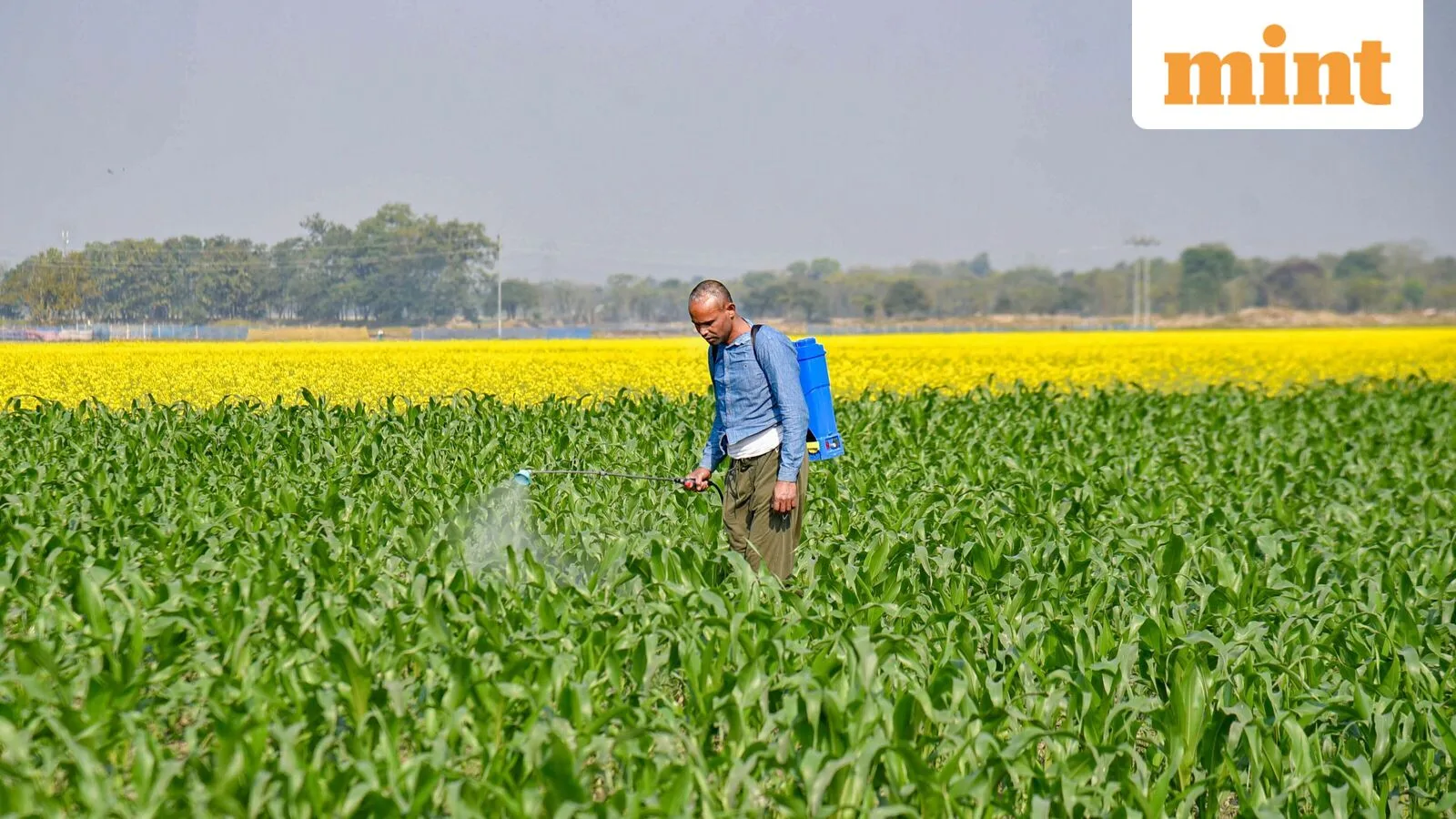
Paradoxically, this crisis also presents a pivotal opportunity for India to address long-standing inefficiencies in its fertilizer consumption patterns. Indian farmers, driven by heavily subsidized prices, often over-apply urea at the expense of other essential nutrients like DAP and potash. Studies, such as an ICRIER report on soil health (January 2026), highlight excess urea use ranging from 61% in Punjab to 46% in Bihar and 54% in Telangana. This imbalanced application not only diminishes fertilizer efficiency and harms soil health but also contributes to environmental degradation. Experts suggest that a moderated application of urea, coupled with a balanced use of other nutrients, might not significantly impact crop yields, especially given the current over-application.
This "black swan event" could serve as an inflection point for fundamental reforms. Policy recommendations, including direct cash transfers of subsidies to farmers (allowing them greater autonomy in nutrient selection), deregulation of prices to encourage balanced application, and even quantitative restrictions based on farm size and crop-specific nutrient requirements, have long been advocated. Agricultural economist Ashok Gulati and co-authors of an ICRIER policy brief titled "De-risking Fertilizer Supplies for India" emphasize the urgency of such reforms. While the economic rationale for these changes is compelling, the political feasibility remains a challenge, particularly with upcoming elections making bold, potentially unpopular, policy shifts unlikely in the immediate term.
The duration of the West Asian conflict and its ripple effects on global energy and commodity markets will dictate the immediate future of India’s fertilizer supplies. Even if a de-escalation occurs swiftly, the recovery of damaged infrastructure and normalization of supply chains will require considerable time. The recent volatile exchanges between global powers and regional actors underscore the unpredictable nature of the situation. While the immediate focus remains on securing adequate supplies for the crucial Kharif season, this geopolitical disruption undeniably highlights the imperative for India to forge a more resilient and sustainable path for its agricultural sector. This includes diversifying import sources, exploring domestic alternatives, and implementing structural reforms that promote efficient and balanced nutrient use, ensuring long-term food security and agricultural sustainability in an increasingly volatile world.