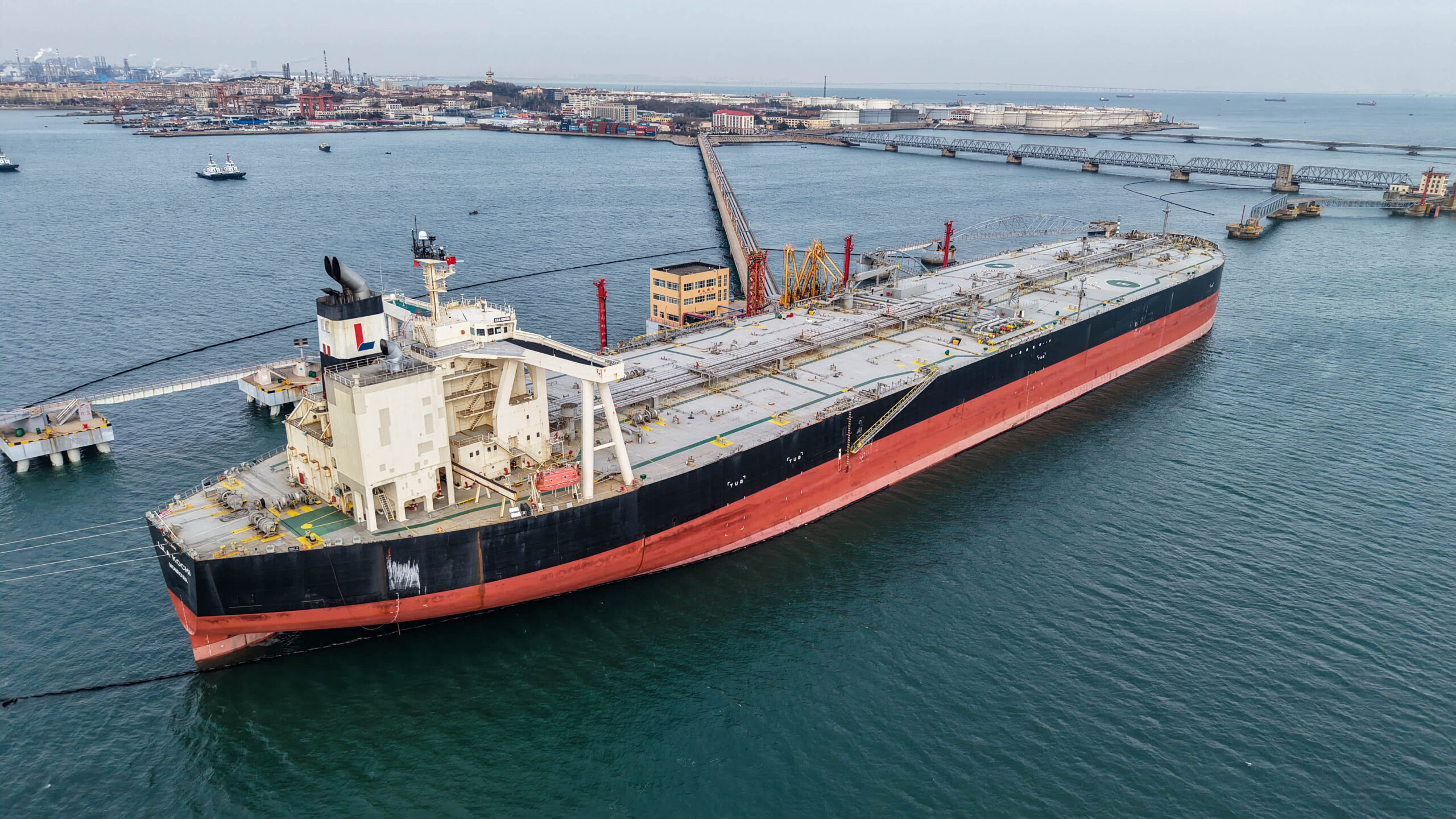
The global energy landscape is currently grappling with a tectonic shift as crude oil prices breach the $100-per-barrel threshold, a milestone triggered by escalating geopolitical volatility and the specter of a prolonged conflict in the Middle East. While such a price surge typically sends shockwaves through the economies of major importers, China is demonstrating a newfound resilience that distinguishes it from its industrial peers. This stability is not accidental; it is the result of a multi-decade strategy focused on aggressive stockpiling, the diversification of supply routes, and a world-leading transition toward renewable energy and vehicle electrification. As the Iran-Israel conflict adds a premium to every barrel of Brent and West Texas Intermediate, Beijing’s structural hedges are being put to their most rigorous test yet.
Financial analysts, including those from OCBC and Nomura, suggest that China’s sensitivity to oil price fluctuations has decoupled from the historical norms that once governed its economic growth. In previous cycles, a spike to $100 would have signaled a direct hit to China’s manufacturing margins and consumer inflation. Today, however, the country sits on a massive cushion. By the start of 2026, China had amassed an estimated 1.2 billion barrels of onshore crude in its strategic and commercial reserves. This stockpile represents nearly four months of import cover, a buffer that allows the central government to navigate short-term supply disruptions without immediately passing the cost on to the domestic economy.
The strategic importance of these reserves is magnified when considering the vulnerability of global maritime chokepoints. The Strait of Hormuz, a narrow waterway through which approximately 30% of the world’s seaborne oil flows, remains the most significant risk factor in the current conflict. For many Asian economies, a closure or significant slowdown in the strait would be catastrophic. Yet, China has spent twenty years systematically reducing its reliance on this specific corridor. Through the development of massive overland pipelines—most notably the "Power of Siberia" projects and connections through Central Asia and Myanmar—China has managed to cap its reliance on the Strait of Hormuz at roughly 40% to 50% of its seaborne imports. While still significant, this is a marked decrease from the near-total dependence seen at the turn of the century.

The diversification of supply is only one half of the equation; the other is the fundamental shift in how China consumes energy. The rapid electrification of the Chinese transport sector is perhaps the most significant structural hedge against high oil prices in modern economic history. Data from the Rhodium Group indicates that the adoption of electric vehicles (EVs), particularly in the heavy-duty trucking sector, has already displaced over one million barrels per day of oil demand. With new-energy vehicles now accounting for more than half of all passenger car sales in China, the country is effectively swapping a volatile, imported commodity for domestically produced electricity.
This transition is supported by a staggering expansion of renewable energy capacity. In 2024 alone, renewables met roughly 80% of China’s incremental power demand. By 2030, the government aims for non-fossil fuels to constitute 25% of total energy consumption. This shift is critical because, unlike many of its neighbors, China’s power grid is not heavily reliant on oil or natural gas. These fuels account for only about 4% of China’s electricity generation mix, compared to 40% or even 50% in other major Asian economies. Consequently, while high oil prices may pinch the pockets of gasoline car owners, they do not necessarily lead to the kind of systemic "energy poverty" or industrial power hikes seen in nations that burn oil for electricity.
A comparative analysis of the world’s largest energy consumers highlights China’s unique standing. While the United States remains the largest consumer of oil, its position as a major domestic producer provides a natural fiscal hedge, though American consumers remain highly sensitive to prices at the pump. India, conversely, represents the more vulnerable end of the spectrum. As the world’s third-largest importer, India is significantly more dependent on petroleum imports for its total energy consumption—approximately 25% compared to China’s 14%. Without the same level of strategic reserves or the advanced EV infrastructure found in China, India faces much tighter fiscal constraints and higher inflationary risks when oil enters triple-digit territory.
However, China’s path is not without its own complexities. Despite the surge in green energy, coal remains the bedrock of the Chinese industrial machine. China continues to be both the world’s largest producer and consumer of coal, using it as a "base-load" floor to ensure energy security when external markets become too volatile. This reliance on coal acts as a double-edged sword: it provides economic stability and insulation from oil shocks, but it complicates Beijing’s long-term carbon neutrality goals. Furthermore, the oil that China does import has become increasingly politicized. U.S. sanctions on various regimes have effectively pushed China toward becoming a primary buyer of discounted Iranian and Russian crude. While this provides a cost advantage, it also entangles China’s energy security with some of the world’s most volatile geopolitical theaters.

The ongoing conflict in the Middle East serves as a catalyst for a "direction, not a correction" in Chinese policy. Experts from energy think tank Ember suggest that the current price shock will likely accelerate China’s decarbonization efforts rather than derail them. The logic is simple: every wind turbine and solar panel installed is a permanent reduction in the country’s "Malacca Dilemma"—the fear that a naval blockade or maritime conflict could throttle its economy. In this context, the transition to renewables is viewed through the lens of national security as much as environmental stewardship.
Market analysts also point to the role of state-owned enterprises (SOEs) in managing this crisis. China’s oil and gas sector is dominated by massive state entities that operate under the guidance of national strategic priorities rather than purely quarterly profit motives. These firms are capable of absorbing short-term losses or managing stockpiles in ways that private-sector firms in the West cannot. This allows for a "smoothed" price experience for the domestic market, preventing the kind of rapid inflationary spikes that can lead to social unrest or sudden economic cooling.
Looking toward the remainder of 2026, the U.S. Energy Information Administration expects China to continue expanding its strategic stockpiles by upwards of one million barrels per day. This suggests that Beijing views the current high-price environment not as a temporary blip, but as a period of prolonged instability that requires even deeper reserves. Despite a slight dip in overall crude imports in 2024, the volume of oil flowing into China hit record highs as tensions simmered, totaling roughly 580 million metric tons.
In summary, China’s ability to withstand $100 oil more effectively than its peers is the result of a comprehensive, state-led energy doctrine. By treating energy as a pillar of national sovereignty, Beijing has built a fortress of reserves, diversified its logistical routes to bypass maritime bottlenecks, and pioneered a transport revolution that is fundamentally altering the global demand curve for petroleum. While no nation is entirely immune to the inflationary pressures of a global commodity surge, China’s structural insulation provides it with a level of economic maneuverability that is currently the envy of the developing and developed world alike. The "oil weapon," once a tool that could bring major economies to a standstill, is finding its edge significantly dulled by the Great Wall of Chinese strategic planning.