Recent geopolitical shifts and escalating trade disputes have cast a long shadow over global supply chains, exposing the inherent vulnerabilities within dynamic sectors like fashion and consumer goods. The enduring strength of supplier relationships has emerged as a critical, and perhaps one of the few, persistent sources of resilience. Cultivating these relationships through responsible purchasing practices – those that prioritize environmental and social considerations alongside cost and quality – is no longer merely an ethical imperative but a strategic necessity. The fashion industry, in particular, finds itself grappling with the significant weight of tariffs. These disruptions arrive at a moment when the sector is already struggling to achieve its previously declared climate and sustainability objectives. A comprehensive 2025 benchmarking survey conducted by the US Fashion Industry Association revealed that a staggering 100 percent of 25 leading apparel brands and retailers identified the current administration’s protectionist stance and the resulting volatile trade relationships as their foremost challenge. More than half of these industry leaders further flagged policy uncertainty, especially the specter of retaliatory tariffs, as their primary concern.
Instead of resorting to short-term cost-cutting measures, prominent consumer-goods companies are strategically investing in building long-term resilience. Retail giants like Walmart and Target, for instance, proactively front-loaded inventory to mitigate the immediate impact of tariff shocks, particularly in anticipation of the crucial holiday shopping season. Similarly, technology behemoth Apple chartered dedicated cargo flights to expedite the delivery of 1.5 million iPhones from India, a move made feasible by its ongoing production expansion with a key manufacturing partner. These actions are more than mere logistical maneuvers; they underscore the profound importance of trust-based, responsive supply-chain relationships. Responsible purchasing practices are increasingly recognized as the foundational element that binds complex supply chains together during periods of uncertainty. Market intelligence firm Gartner reports that nearly half of large enterprises have either renegotiated existing supplier contracts or fundamentally shifted their sourcing strategies to effectively manage the risks associated with prevailing tariffs. Financial instruments such as supply-chain finance are also being leveraged with growing frequency, serving not only to ensure liquidity but also to act as essential buffers against market volatility. These converging trends reflect a burgeoning consensus: resilient, transparent, and values-aligned supply chains are paramount for avoiding significant disruptions and maintaining a competitive edge in the global marketplace.
The Catwalk Conundrum: A Stagnating Performance in Responsible Sourcing

Despite the critical need for robust supplier partnerships, the fashion sector is demonstrably lagging in its adoption of responsible purchasing practices. Cascale’s Better Buying 2025 Garment Industry Scorecard awarded the industry a mere 66 out of a possible 100 points. The scorecard further indicates year-on-year declines in several key areas of responsible purchasing, including cost negotiation strategies, the fairness of payment terms extended to suppliers, and collaborative product development processes. This performance is particularly concerning when considering the upstream effects that can cascade throughout the value chain when tariffs or other external shocks are introduced. Production costs often require immediate renegotiation, and in the absence of strong, established supplier relationships, shifts in production can precipitate significant delays, exacerbate labor-related risks, and amplify reputational exposure.
The current trajectory is also deeply troubling from a climate perspective. The fashion industry, characterized by its intricate and far-flung global supply chains, is exceptionally susceptible to these ripple effects. The U.S. tariffs that were implemented on August 7th directly impact key sourcing hubs that exert a disproportionately large influence on the industry’s overall carbon footprint. Cascale’s analysis reveals that a concentrated group of just 1,800 factories, spread across nine countries, accounts for over 80 percent of the measured carbon emissions generated by the apparel, textile, and footwear industries. Notably, six of these countries – China, Bangladesh, Vietnam, India, Turkey, and Pakistan – have been directly subjected to the new tariff measures.
While shifting sourcing away from these emission-intensive hubs might offer a short-term solution to tariff-related cost burdens, it carries the significant risk of disrupting ongoing initiatives aimed at reducing emissions from these critical sources. A precedent was set in 2018 when tariffs imposed on China triggered a substantial surge in production in Vietnam. Such rapid and uncoordinated shifts in manufacturing locations can lead to a detrimental ripple effect: an increase in labor violations, prolonged lead times for production, and compromised product quality. Without careful, coordinated planning, these abrupt changes risk undermining both established climate goals and the welfare of garment workers.
Global Appetite for Sustainability: COP30 and the Future of Trade Finance

While the fashion industry, a multi-trillion-dollar global behemoth, is expected to have a minimal formal presence at this year’s United Nations Climate Change Conference (COP30), its deliberations hold significant implications. Similar to previous years, many fashion brands are facing budget cuts for travel and a downsizing of their participation teams as the industry contracts in response to market volatility. Unlike climate-focused forums such as Climate Week NYC or London Climate Action Week, COP30 is anticipated to concentrate more heavily on adaptation finance, the intricacies of carbon pricing mechanisms, and nature-based strategies, rather than directly addressing the redrawing of trade or sourcing lines.
Nevertheless, industry stakeholders should pay close attention to the proceedings at COP30 to gain a clearer understanding of the global appetite for sustainable finance and investment. Brazil, as the host nation, is leveraging its presidency to champion significant initiatives, including the proposed $125 billion Tropical Forests Forever Facility. This blended-finance instrument is designed to contribute towards closing the substantial annual climate-finance gap, projected to reach $1.3 trillion by 2035. Furthermore, the ongoing discussions surrounding carbon pricing frameworks have the potential to exert a more profound influence on international trade and value chains than any sector-specific trade reform measures.
In essence, while COP30 may not offer immediate relief from tariff-related pressures, it possesses the capacity to fundamentally shape the long-term operational landscape. This could be achieved through the implementation of policy levers that link sustainability targets, evolving sourcing practices, and competitive market factors – elements that extend beyond the immediate control of the fashion industry itself.
Fair Purchasing Practices: Building Resilience Through Trust and Transparency
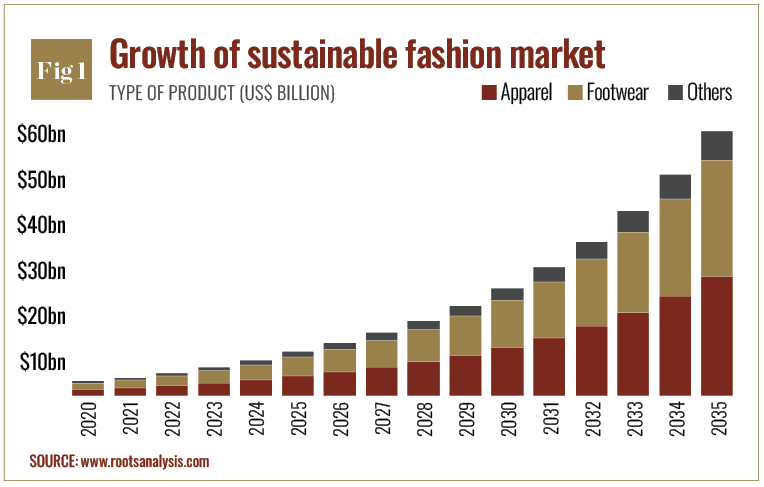
As trade-related costs continue to exert pressure, industry leaders must fundamentally shift their strategic mindset. The enduring resilience of their businesses will not be forged through diplomatic negotiations or high-level political agreements, but rather through the cultivation of trust-based relationships, the adoption of fair purchasing practices, and the relentless pursuit of innovations that drive sustainability. Brands and retailers should perceive tariffs not solely as an added cost burden but as critical stress tests for their established supplier partnerships. Companies that remain anchored to price-driven strategies risk irrevocably eroding their capacity to deliver the quality, speed, and innovative products demanded by today’s increasingly conscientious consumer.
Conversely, organizations that embrace transparency and foster genuine collaboration are far better positioned for success. This includes sharing demand forecasts to ensure supply chain continuity, smoothing out demand fluctuations through level-loading production schedules, and offering more equitable payment terms to their suppliers. Such proactive approaches are more likely to help them avoid spikes in labor violations and preserve the essential market signals required to sustain vital decarbonization investments.
In an era where tariffs and climate-induced shifts can necessitate the rapid alteration of sourcing strategies, resilient partnerships have transcended their role as mere operational tools. They have evolved into strategic differentiators, signaling accountability, stability, and ethical leadership to an ever-expanding array of stakeholders who are increasingly focused on long-term value and responsible business conduct.