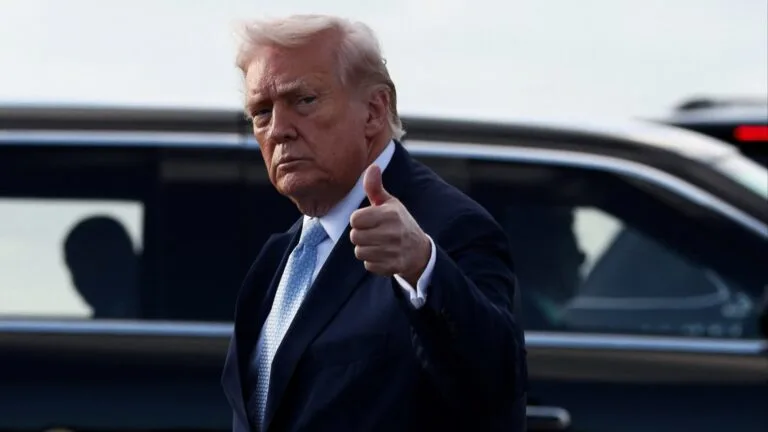
The intersection of high-level politics, complex liability law, and the global insurance apparatus has reached a critical flashpoint as former U.S. President Donald Trump engages in an intensifying legal battle with underwriters at Lloyd’s of London. At the heart of this dispute lies a fundamental question that resonates throughout the corridors of global finance: to what extent should professional liability insurance shield a public figure from the astronomical costs associated with civil and criminal litigation? As the former president navigates a labyrinth of legal challenges ranging from allegations of financial fraud to civil defamation, the specialized syndicates within the Lloyd’s marketplace find themselves in the uncomfortable position of determining where "duty to defend" ends and "conduct exclusions" begin.
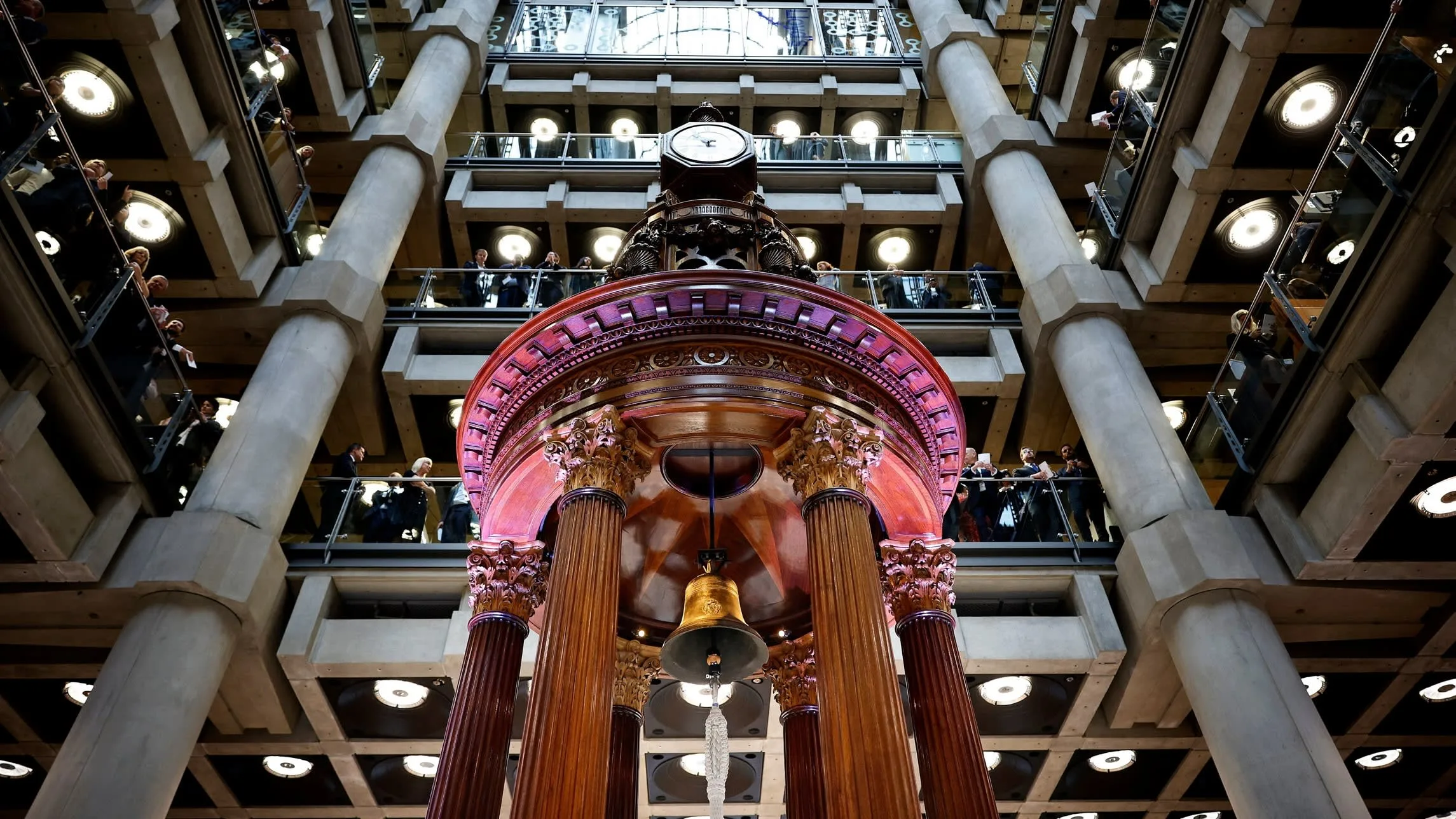
This confrontation is not merely a private contractual dispute; it represents a significant stress test for the Directors and Officers (D&O) insurance market, a sector already grappling with the pressures of social inflation and an increasingly litigious corporate environment. For Lloyd’s of London, a 336-year-old institution that pioneered the concept of modern insurance, the stakes involve more than just a potential payout. The outcome of this battle could redefine the boundaries of political risk insurance and set a precedent for how the world’s most powerful individuals manage the financial fallout of their legal entanglements.
To understand the gravity of the conflict, one must first look at the unique structure of the Lloyd’s marketplace. Unlike a traditional insurance company with a centralized balance sheet, Lloyd’s is a commercial society of independent syndicates. These syndicates, backed by corporate capital and private "Names," take on specialized risks that standard insurers often avoid. In the case of high-profile figures like Donald Trump, insurance policies are often bespoke, crafted to cover a wide array of contingencies. However, these policies almost universally contain "conduct exclusions"—provisions that void coverage if the insured is found to have engaged in intentional fraud, criminal acts, or willful misconduct.
The current friction stems from the former president’s efforts to tap into these policies to cover the mounting legal fees and potential settlements arising from his various court cases. Legal experts note that the "duty to defend" is traditionally interpreted more broadly than the "duty to indemnify." Under New York and London law, an insurer is often required to pay for a policyholder’s legal defense as long as there is any possibility that the allegations could fall within the scope of the policy. The conflict arises when an insurer believes that the core of the legal action—such as a finding of persistent fraud in a civil business context—triggers an exclusion that relieves them of any financial obligation.
From an economic perspective, the litigation highlights the "Trump risk" premium that has quietly permeated the insurance industry. Market data suggests that the cost of D&O insurance for high-profile political figures and their associated entities has seen a sharp uptick in volatility. While the broader D&O market saw a softening of premiums in late 2023 and early 2024 due to increased capacity, policies linked to politically exposed persons (PEPs) remain exceptionally expensive and difficult to place. Insurers are increasingly wary of "event-driven litigation," where a political or social controversy triggers a cascade of lawsuits that can deplete even the most robust policy limits.
The financial scale of the judgments facing the former president—most notably the $454 million civil fraud judgment in New York and the $83.3 million defamation award to E. Jean Carroll—places an unprecedented strain on liability coverage. Even for a market as deep as Lloyd’s, which reported a pre-tax profit of £10.7 billion in 2023, the prospect of subsidizing the defense of such massive liabilities requires a rigorous re-evaluation of risk appetite. The syndicates involved must balance their contractual obligations with their duty to their own capital providers, who are sensitive to the reputational and financial risks of being tethered to such polarizing legal sagas.
Furthermore, this battle mirrors a broader global trend where the judiciary is increasingly used as a venue for resolving political and corporate grievances. In the United Kingdom and Europe, "litigation funding" has become a multi-billion dollar industry, but the traditional insurance model remains the primary safety net for executives and public officials. If Lloyd’s successfully argues that the nature of the allegations against Trump falls outside the realm of "insurable interest," it could signal a hardening of terms for other global leaders and CEOs who rely on similar protections. Conversely, a victory for the former president could force insurers to dramatically hike premiums or introduce even more restrictive language to protect themselves from "social inflation"—the rising cost of insurance claims resulting from societal trends and large jury awards.
Economic impact analysis of the insurance sector reveals that "social inflation" has been a primary driver of loss ratios over the last decade. In the United States, the median settlement for D&O claims has hovered near record highs, influenced by a climate where juries are more likely to grant punitive damages against wealthy defendants or large corporations. For Lloyd’s, the Trump litigation is a high-profile example of this phenomenon. If an insurer is forced to pay for a defense in a case where the underlying behavior is deemed fraudulent by a court, it undermines the actuarial assumptions that govern the entire industry. Insurance is designed to cover fortuitous risks—accidents and unforeseen errors—not intentional acts of malfeasance.
The legal strategy employed by the former president’s team likely focuses on the "allocation" of defense costs. In complex litigation, some charges may be covered by insurance while others are not. The battle then becomes a granular accounting exercise: which billable hours were spent defending the "covered" aspects of the case versus the "uncovered" ones? For the Lloyd’s syndicates, this necessitates a forensic audit of legal bills that are already among the highest in the world. Top-tier defense firms in Manhattan and Washington D.C. often command rates exceeding $2,000 per hour, meaning a prolonged trial can easily rack up tens of millions of dollars in costs before a verdict is even reached.
Global comparisons further illustrate the uniqueness of this situation. In most parliamentary democracies, the state often provides some level of legal indemnity for officials acting in their formal capacity. However, the distinction between "official acts" and "personal or business conduct" is the pivot point on which the Trump-Lloyd’s dispute turns. By challenging the insurance market, the former president is essentially testing the limits of the private sector’s willingness to act as a financial backstop for a career that has blurred the lines between real estate mogul, media personality, and head of state.
As the legal proceedings move forward, the insurance industry will be watching the "bad faith" claims closely. Policyholders often accuse insurers of "bad faith" when they deny coverage, a move that can sometimes lead to treble damages. However, insurers at Lloyd’s are notoriously resilient in the face of such pressure, often preferring to litigate to clarify policy language rather than settling for a sum that might encourage future claims of a similar nature. This "principled litigation" approach is a hallmark of the London market, which prides itself on the clarity and enforcement of its contracts.
In the final analysis, the collision between Donald Trump and Lloyd’s of London is a harbinger of a new era in risk management. We are moving into a period where the legal liabilities of powerful individuals are so vast that they threaten to outstrip the capacity of traditional insurance products. For the broader economy, this suggests that the cost of leadership—whether in the boardroom or the halls of government—is rising. As insurers tighten their belts and redefine their exclusions, the "safety net" that has long protected the world’s elite is being woven with much larger holes. The outcome of this battle will not only determine who pays for the former president’s legal defense but will also provide a definitive answer on whether any individual can truly be "insured" against the consequences of their own history.