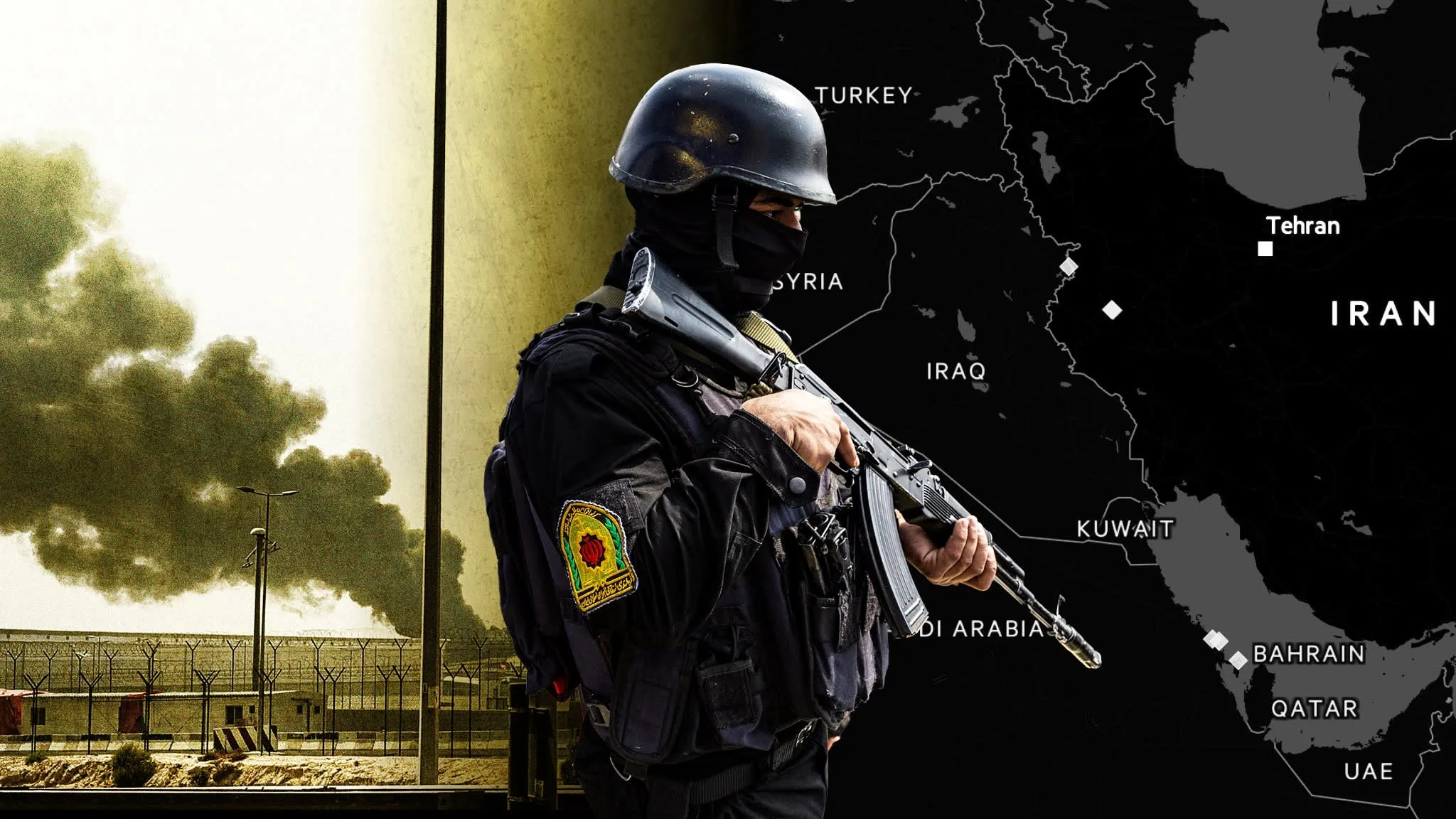
The geopolitical architecture of the Middle East stands at its most precarious juncture in decades, as the Islamic Republic of Iran signals the specific conditions under which it would seek to de-escalate the multi-front conflict currently engulfing the region. For months, the "shadow war" between Tehran and Jerusalem has moved into the blinding light of direct confrontation, threatening not only regional stability but the delicate equilibrium of global energy markets and international trade routes. As the diplomatic backchannels hum with activity, it has become increasingly clear that Iran’s price for peace is a complex tapestry of territorial concessions, security guarantees, and economic lifelines designed to preserve its regional influence while insulating its domestic economy from further collapse.
At the heart of Tehran’s demands is a comprehensive and permanent ceasefire in the Gaza Strip, a condition that serves both ideological and strategic purposes. By positioning itself as the primary defender of the Palestinian cause, the Iranian leadership seeks to bolster its legitimacy across the Muslim world. However, the calculus is more than just symbolic. A cessation of hostilities in Gaza is viewed by Tehran as the necessary prerequisite for cooling other "hot" zones, most notably the border between Israel and Lebanon. For Iran, the preservation of Hezbollah—its most potent proxy and a vital component of its "Forward Defense" strategy—is a non-negotiable priority. The degradation of Hezbollah’s leadership and infrastructure by Israeli precision strikes has forced Tehran to reconsider the sustainability of a prolonged war of attrition that could permanently weaken its most valuable strategic asset.
The economic dimension of this conflict cannot be overstated. Decades of Western sanctions, compounded by systemic domestic mismanagement, have left the Iranian economy in a state of chronic fragility. Inflation remains stubbornly high, frequently hovering above the 40 percent mark, while the Iranian rial continues its long-term depreciation against the US dollar. This economic pressure creates a narrowing window for the clerical establishment to deliver tangible improvements to its populace, who have grown increasingly restive amid rising costs of living and restricted social freedoms. Consequently, any long-term "price" for ending the war likely includes a quiet understanding regarding the enforcement of oil sanctions. Tehran is desperate to maintain its current export levels, which have recently seen a resurgence, primarily through "dark fleet" shipments to independent refiners in China.
Market analysts have been closely monitoring the "war premium" embedded in global oil prices. While Brent crude has shown remarkable resilience despite the volatility, the specter of a direct hit on Iranian energy infrastructure—or a retaliatory closure of the Strait of Hormuz—remains the ultimate "black swan" event for global markets. Approximately 20 percent of the world’s daily oil consumption passes through this narrow waterway. For Iran, the threat of closing the Strait is its ultimate deterrent, but it is a double-edged sword; such a move would alienate its primary economic patron, Beijing, and likely trigger a global recession that would hurt Tehran as much as its adversaries. Therefore, the Iranian "price" involves a return to a status quo where its energy exports can flow with relative predictability, even if a formal return to the Joint Comprehensive Plan of Action (JCPOA) remains a distant prospect.
Furthermore, the role of the "Axis of Resistance"—the network of proxies including the Houthis in Yemen and various militias in Iraq and Syria—is being used as a high-stakes bargaining chip. The Houthi-led disruption of Red Sea shipping has fundamentally altered global logistics, forcing major carriers like Maersk and Hapag-Lloyd to divert vessels around the Cape of Good Hope. This diversion adds approximately 10 to 14 days to transit times and significantly increases fuel costs and insurance premiums, costs that are eventually passed on to global consumers. Tehran’s ability to "turn off" these disruptions is a central pillar of its negotiating leverage. By demonstrating that it can effectively choke a vital artery of global commerce, Iran is signaling that the cost of excluding it from a regional security framework is far higher than the cost of accommodation.
On the other side of the ledger, Israel’s strategic objectives present a formidable barrier to Tehran’s terms. The Israeli government, led by Prime Minister Benjamin Netanyahu, has signaled that a return to the pre-October 7th status quo is unacceptable. Jerusalem’s "price" for ending the war involves the total dismantling of Hamas’s military capabilities and a significant pushback of Hezbollah forces from the Litani River in southern Lebanon, in accordance with UN Resolution 1701. The divergence between Tehran’s desire to preserve its proxy network and Israel’s determination to degrade it creates a diplomatic chasm that is difficult to bridge. The United States, meanwhile, finds itself in the middle of a delicate balancing act, attempting to prevent a regional conflagration while maintaining its "ironclad" support for Israel and managing its own domestic political pressures in an election year.
The economic impact of the conflict also extends to the broader Middle East, particularly the burgeoning economies of the Gulf Cooperation Council (GCC). Nations like Saudi Arabia and the United Arab Emirates are in the midst of massive economic transformations—such as the Saudi "Vision 2030"—which require regional stability to attract foreign direct investment and develop tourism sectors. For Riyadh, the "price" of peace is a pathway toward a two-state solution and a regional defense pact that includes the US, a prospect that Iran views with deep suspicion. The normalization of relations between Israel and its Arab neighbors remains the ultimate prize for Washington, but it is one that Tehran is determined to tax heavily or derail entirely.
Expert insights suggest that the current Iranian leadership is divided on how to proceed. A pragmatic faction within the government recognizes that the current path leads toward an existential threat to the regime if a direct war with the United States is triggered. This group favors a "calibrated de-escalation" where Tehran secures a ceasefire in Gaza and Lebanon in exchange for reigning in its proxies and perhaps offering transparency on its nuclear program. Conversely, the hardline elements within the Islamic Revolutionary Guard Corps (IRGC) view the current instability as an opportunity to further entrench Iranian influence and expose the limits of Western power in the region.
From a global economic perspective, the prolonged uncertainty acts as a drag on growth. The World Bank and the IMF have both warned that an escalation in the Middle East could shave percentage points off global GDP growth through higher energy prices and disrupted supply chains. For the Eurozone, which is particularly sensitive to energy price shocks and depends heavily on the Suez Canal route, the stakes are exceptionally high. The "price" Iran is setting is therefore not just a regional matter; it is a proposal that sits on the desks of policymakers in Washington, Brussels, and Beijing.
Ultimately, Iran’s strategy appears to be one of "coercive diplomacy." It is using the threat of wider chaos to demand a seat at the table where the future of the Middle East is decided. By setting its price to include the preservation of its regional proxies and the protection of its economic interests, Tehran is testing the resolve of the international community. Whether the West is willing to pay that price—or if Israel will accept a peace that leaves the "Axis of Resistance" intact—remains the central question of the hour. As the conflict grinds on, the cost of a mistake grows exponentially, and the margin for error for all parties involved has never been thinner. The resolution will likely not come in a single grand bargain, but in a series of fragile, incremental agreements that seek to manage the rivalry rather than resolve it, all while the global economy watches with bated breath.