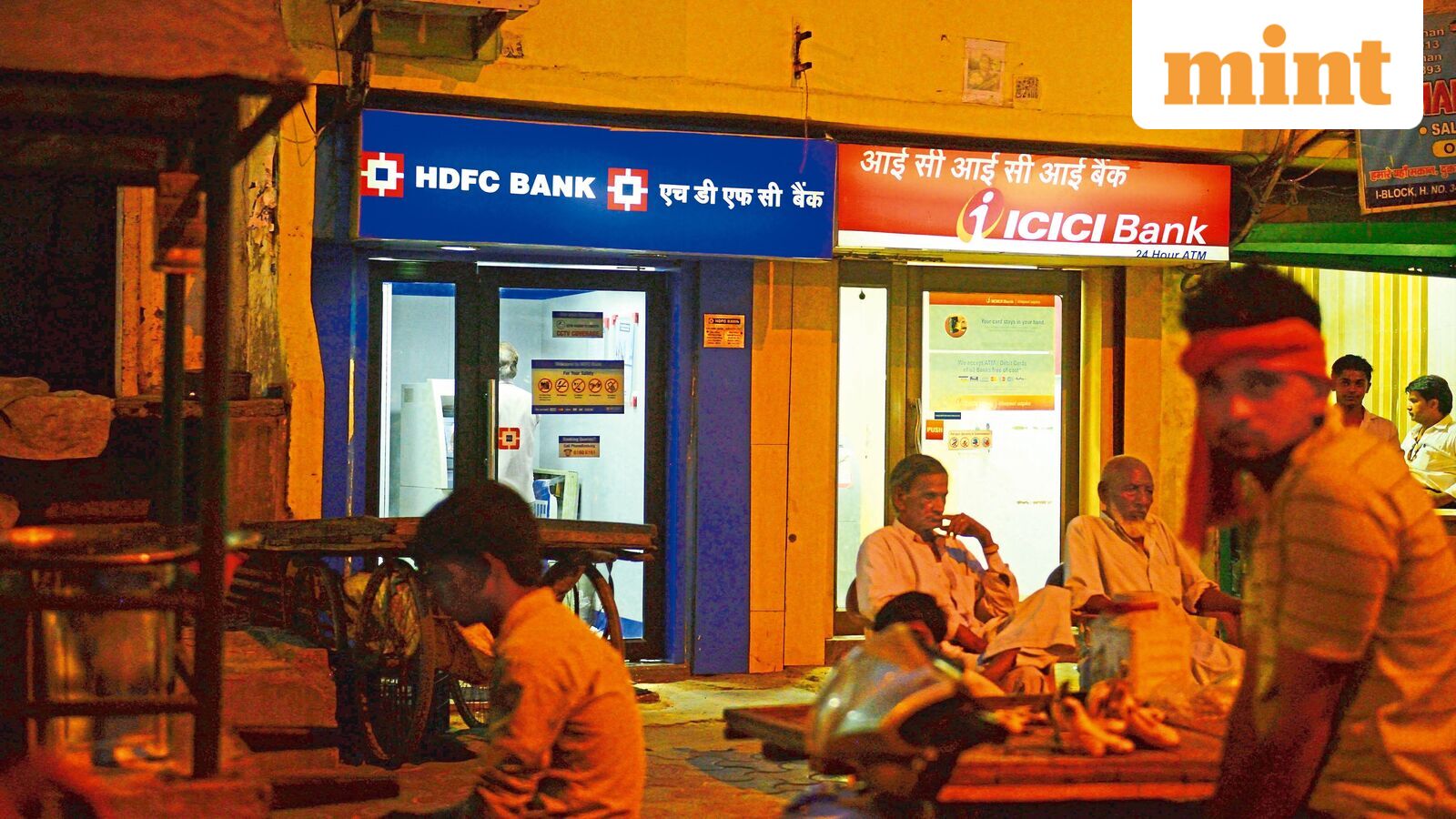
India’s financial sector frequently navigates a complex calendar marked by a confluence of national, regional, and religious observances, with a significant number of banks across various states observing closures on days like March 19th. This particular date saw public and private banking institutions, including major players like State Bank of India, Punjab National Bank, HDFC Bank, ICICI Bank, and Kotak Mahindra Bank, cease physical operations in states such as Maharashtra, Karnataka, Tamil Nadu, Telangana, Manipur, Jammu & Kashmir, Goa, Andhra Pradesh, Rajasthan, and the city of Srinagar. These closures were primarily in observance of significant cultural and religious festivals including Gudhi Padwa, Ugadi Festival, Telugu New Year, Sajibu Nongmapanba (Cheiraoba), and the commencement of Navratra, alongside Shab-I-Qadr in certain regions. Such widespread, yet regionally specific, shutdowns underscore a unique characteristic of India’s economic fabric, where deep-rooted cultural practices intersect with modern financial operations, creating both celebratory pauses and potential economic ripples.
The immediate impact of these fragmented closures is felt across various economic strata. For individual consumers, while digital banking channels like UPI, net banking, and mobile applications remain operational, physical cash transactions, cheque deposits, and certain urgent financial advisory services become inaccessible. Businesses, particularly small and medium-sized enterprises (SMEs) that often rely on over-the-counter transactions, cash deposits, or immediate cheque clearances for their daily operations, can face temporary liquidity challenges and operational delays. Larger corporations, with their more sophisticated treasury management systems and established digital payment infrastructures, are generally better insulated but can still experience minor disruptions in interbank settlements or international trade finance activities requiring physical documentation or swift processing. Economists frequently highlight that while the direct GDP impact of a single regional holiday might be negligible, the cumulative effect of numerous such days throughout the year can subtly dampen overall economic momentum, especially in sectors with high daily transaction volumes.
The framework governing bank holidays in India is primarily derived from the Negotiable Instruments Act of 1881, which empowers the central government and state governments to declare public holidays. The Reserve Bank of India (RBI), as the central banking authority, subsequently categorizes these holidays into three distinct types: holidays under the Negotiable Instruments Act, holidays under the Negotiable Instruments Act and Real-Time Gross Settlement (RTGS) holidays, and yearly closing of accounts. Holidays declared under the Negotiable Instruments Act typically mean that banks are closed for public transactions, but interbank activities, particularly those involving electronic transfers like RTGS and NEFT, may still operate on certain designated holidays or Saturdays, albeit with reduced staff. The "yearly closing of accounts" holiday is a more internal banking observance, primarily affecting bank staff for reconciliation purposes, with minimal public disruption. This layered approach ensures a degree of operational continuity even during periods of physical closure, reflecting a pragmatic balance between tradition and economic functionality.
The diverse nature of India’s cultural calendar means that bank holidays are rarely uniform across the entire nation, with the exception of national holidays like Republic Day, Independence Day, and Gandhi Jayanti. Regional festivals, deeply embedded in local traditions and religious practices, account for the majority of these state-specific closures. Gudhi Padwa, for instance, marks the traditional New Year for Marathi and Konkani Hindus, particularly significant in Maharashtra and Goa, symbolizing new beginnings and prosperity. Ugadi, celebrated concurrently, signifies the New Year for people in Karnataka, Andhra Pradesh, and Telangana, often accompanied by elaborate feasts and cultural programs. Similarly, Sajibu Nongmapanba is the Manipuri New Year, a vibrant celebration of culture and community in the northeastern state. The start of Navratra, a nine-night Hindu festival dedicated to the goddess Durga, carries immense spiritual significance across many northern and western states, initiating a period of fasting and prayer. These festivals are not merely days off; they are integral to the social fabric, fostering community bonds and cultural identity, which the banking sector accommodates.

Looking beyond March 19th, the banking calendar continues to reflect this rich tapestry. Later in March, holidays were slated for Eid-Ul-Fitr (Ramzan) and Jumat-ul-Vida in regions like Jammu & Kashmir, Kerala, Srinagar, and Andhra Pradesh, underscoring the prevalence of Islamic festivals. Following this, the widespread observance of Ramzan-Id (Id-Ul-Fitr), Khutub-E-Ramzan, and Sarhul saw closures across a vast swathe of states including Assam, Gujarat, Mizoram, Maharashtra, Karnataka, Madhya Pradesh, Odisha, Chandigarh, Tamil Nadu, Uttarakhand, Sikkim, Manipur, Arunachal Pradesh, Rajasthan, Uttar Pradesh, Jammu & Kashmir, Nagaland, West Bengal, Delhi, Goa, Bihar, Jharkhand, Chhattisgarh, Meghalaya, and Srinagar. The month was further punctuated by Shree Ram Navami, a significant Hindu festival, leading to closures in Mizoram, Maharashtra, Karnataka, Tamil Nadu, Uttarakhand, Rajasthan, Uttar Pradesh, Chandigarh, West Bengal, Madhya Pradesh, Mumbai, Nagpur, Jharkhand, and Himachal Pradesh. In addition to these festival-specific closures, all banks observe weekly holidays on Sundays and the second and fourth Saturdays of each month, as per RBI guidelines, further contributing to the non-working days for physical banking operations.
The increasing penetration of digital banking services has, to a significant extent, mitigated the potential disruptions caused by these physical bank closures. The Unified Payments Interface (UPI), a real-time payment system, has revolutionized retail payments in India, enabling seamless money transfers even on holidays. Net banking and mobile banking applications offer a comprehensive suite of services, from bill payments and fund transfers to applying for loans and requesting chequebooks, ensuring that essential financial transactions are not entirely halted. This digital resilience is crucial for a rapidly digitizing economy like India’s, which processes billions of digital transactions annually. Industry analysts suggest that without this robust digital infrastructure, the economic cost of widespread bank holidays would be substantially higher, potentially impacting daily commerce by up to 15-20% in affected regions. The government’s push for financial inclusion and digital literacy has inadvertently strengthened the economy’s ability to absorb these intermittent pauses in physical banking.
Despite the digital advancements, the economic implications of bank holidays remain a topic of discussion among policymakers and business leaders. While large metropolitan areas with high digital adoption rates might experience minimal inconvenience, rural and semi-urban areas, where internet penetration is lower and a significant portion of transactions still occur in cash, can face more pronounced challenges. Small businesses might struggle with cash flow management, delayed vendor payments, or inability to access immediate working capital. International trade and foreign exchange transactions, which often require bank intervention for compliance and settlement, can also face minor delays, particularly if corresponding banks in other time zones are not operating simultaneously. For critical financial activities, businesses and individuals are advised to plan ahead, utilizing digital channels or completing transactions well in advance of scheduled holidays.
In a global context, India’s extensive list of public and bank holidays stands out. Many developed economies tend to have fewer public holidays, and their banking systems often maintain electronic clearing services even on non-working days for physical branches, ensuring minimal disruption to the broader financial ecosystem. However, India’s approach reflects its unique cultural diversity and federal structure, where state governments hold significant autonomy in declaring regional holidays. The blend of national, religious, and regional observances underscores a societal preference to honor cultural heritage, even if it entails occasional pauses in conventional economic activity.
Looking forward, the trend is likely towards an even greater reliance on digital platforms to bridge the gap created by physical bank closures. Fintech innovations continue to streamline financial processes, offering alternatives to traditional banking services. While the cultural significance of these holidays will undoubtedly persist, the economic impact is expected to diminish further as digital adoption becomes near-universal. The challenge for the banking sector and regulators will be to continually enhance the resilience and security of digital infrastructure, ensuring that financial services remain accessible, efficient, and secure, regardless of the physical status of bank branches. This ongoing evolution represents India’s unique journey in balancing deep-seated traditions with the imperatives of a dynamic, modern economy.