The traditional pillars of American conservatism are undergoing a seismic transformation, a shift most visible in the fractured response of the "Make America Great Again" (MAGA) movement to the prospect of a direct military confrontation with Iran. For decades, the Republican Party was the standard-bearer for a robust, interventionist foreign policy in the Middle East, characterized by a "peace through strength" doctrine that often leaned toward preemptive action. However, the emergence of a populist, isolationist wing has created a profound philosophical rift that threatens to redefine the geopolitical stance of the United States. This internal struggle is not merely a debate over military strategy; it is a fundamental disagreement over the nation’s economic priorities, its role as a global hegemon, and the long-term sustainability of the American empire.
At the heart of this divide are two distinct factions that, while united under the banner of Donald Trump’s leadership, hold diametrically opposed views on foreign entanglements. On one side stands the "National Security Hawks," a group that includes seasoned diplomats, defense contractors, and evangelical voters for whom the protection of Israel and the containment of Iranian influence are non-negotiable priorities. This faction views Tehran as an existential threat to global stability and a primary sponsor of terrorism that must be met with overwhelming force. For them, a retreat from the Middle East would not only embolden Iran’s regional ambitions but also signal a catastrophic decline in American prestige, potentially destabilizing global energy markets and emboldening other adversaries like China and Russia.
Conversely, a surging "New Right" or "Restraint" wing—championed by figures such as Senator J.D. Vance and influential media personalities—argues that the era of "forever wars" must end. This faction views the Middle East as a strategic distraction from more pressing domestic concerns, such as the fentanyl crisis, border security, and the hollowing out of the American manufacturing base. To these isolationists, the economic cost of a war with Iran is a burden the United States can no longer afford. They point to the trillions of dollars spent in Iraq and Afghanistan as a cautionary tale of "nation-building" projects that resulted in massive debt and little tangible benefit to the American taxpayer. This group advocates for a "realist" foreign policy that prioritizes domestic economic health over the policing of global hotspots.
The economic implications of this internal friction are immense. Iran sits at the center of the world’s most sensitive energy corridor. The Strait of Hormuz, a narrow waterway between the Persian Gulf and the Gulf of Oman, facilitates the passage of approximately 21 million barrels of oil per day, representing roughly 21% of global petroleum liquids consumption. Any escalation into a hot war would almost certainly lead to a blockade or significant disruption of this chokepoint. Market analysts estimate that even a temporary closure of the Strait could send Brent crude prices soaring past $120 or even $150 per barrel. For a MAGA movement that rose to power on the promise of lowering energy costs and curbing inflation, the prospect of a massive spike in gasoline prices presents a political and economic paradox.
Furthermore, the fiscal reality of the United States has changed significantly since the onset of the War on Terror in 2001. With a national debt exceeding $34 trillion and a debt-to-GDP ratio that has surpassed 120%, the financial headroom for a major regional conflict has narrowed. The "America First" base is increasingly sensitive to the "guns vs. butter" trade-off. While the defense industrial complex—represented by giants like Lockheed Martin, Raytheon, and Northrop Grumman—stands to benefit from increased military spending, a significant portion of the populist electorate views such spending as a transfer of wealth from the working class to "Beltway insiders." This skepticism toward the "military-industrial complex" has become a hallmark of the new MAGA identity, creating a friction point with the traditional GOP donor class.
The geopolitical landscape has also been complicated by the shifting alliances of the 21st century. Iran is no longer an isolated pariah but a key node in an emerging anti-Western axis. Its deepening ties with China, which serves as a primary buyer of Iranian "teapot" oil, and its military partnership with Russia provide Tehran with a degree of economic and diplomatic insulation. For the isolationist wing of the MAGA movement, the danger of an Iran conflict is not just the war itself, but the risk of being drawn into a broader confrontation with major nuclear powers. They argue that the U.S. should focus its limited resources on "decoupling" from China rather than becoming bogged down in a regional religious and political struggle that has persisted for centuries.
Expert insights suggest that this rift is also a reflection of a changing electorate. Younger voters within the Republican Party and those in the "Rust Belt" states that are critical to the MAGA coalition often lack the Cold War-era appetite for global interventionism. Data from recent polling indicates a growing trend among Republican-leaning voters toward "selective engagement." While there is strong support for "maximum pressure" through economic sanctions, the appetite for "boots on the ground" has plummeted. This creates a difficult balancing act for leadership: how to maintain a hardline stance against an adversary like Iran without alienating a base that is fundamentally weary of war.
The role of Israel remains the most complex variable in this ideological equation. For many in the MAGA base, particularly the influential evangelical wing, support for Israel is a moral and theological imperative. This creates a rare point of overlap between the hawks and the populists. However, even here, the "New Right" is beginning to ask uncomfortable questions about the limits of American support. They argue that while Israel is a vital ally, the U.S. should not be obligated to fight a war on its behalf if it does not directly serve American national interests. This nuance is a departure from the "blank check" diplomacy that defined the neoconservative era and represents one of the most significant shifts in Republican thought in half a century.
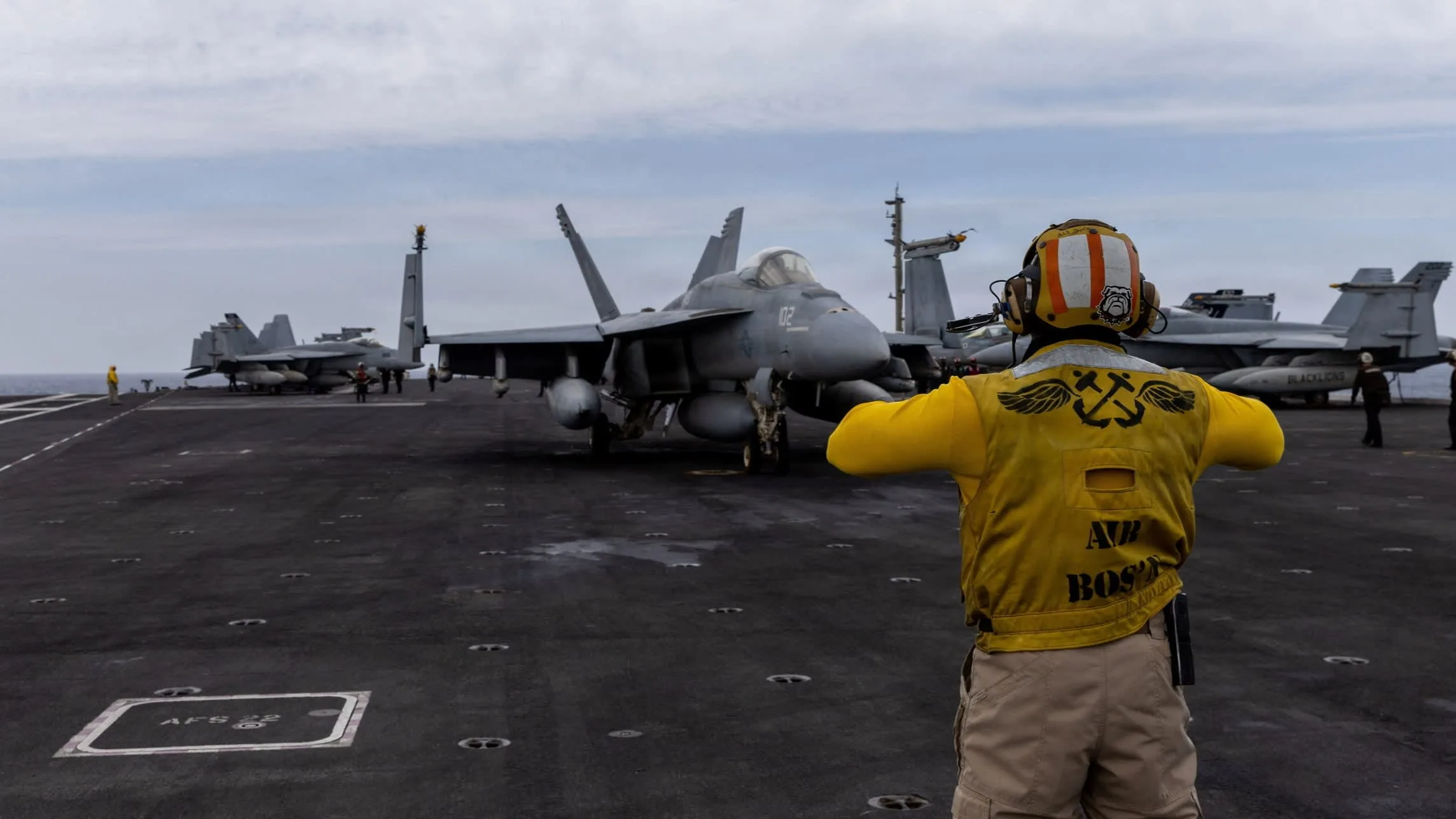
If the MAGA movement is to remain a cohesive political force, it must eventually reconcile these "philosophical differences." A war with Iran could be the catalyst that either shatters the coalition or forces a synthesis of these two views. One potential middle ground is the concept of "Offshore Balancing," where the U.S. uses its naval and air power to maintain regional stability and protect trade routes without engaging in long-term ground occupations. This strategy appeals to the desire for "strength" while avoiding the "quagmire" that the isolationist wing fears.
Ultimately, the debate over Iran is a proxy for the larger question of what America’s place in the world should be in the 2020s and beyond. Is the United States still the "indispensable nation" tasked with upholding a liberal international order, or is it a "normal country" that should focus primarily on its own borders and its own people? The MAGA movement’s internal struggle suggests that the answer is no longer clear. As global tensions rise and the threat of conflict looms, the resolution of this ideological rift will have profound consequences not only for the future of the Republican Party but for the stability of the global economy and the trajectory of international relations. The world is watching as the "America First" movement decides whether its priority is the projection of power abroad or the preservation of prosperity at home.