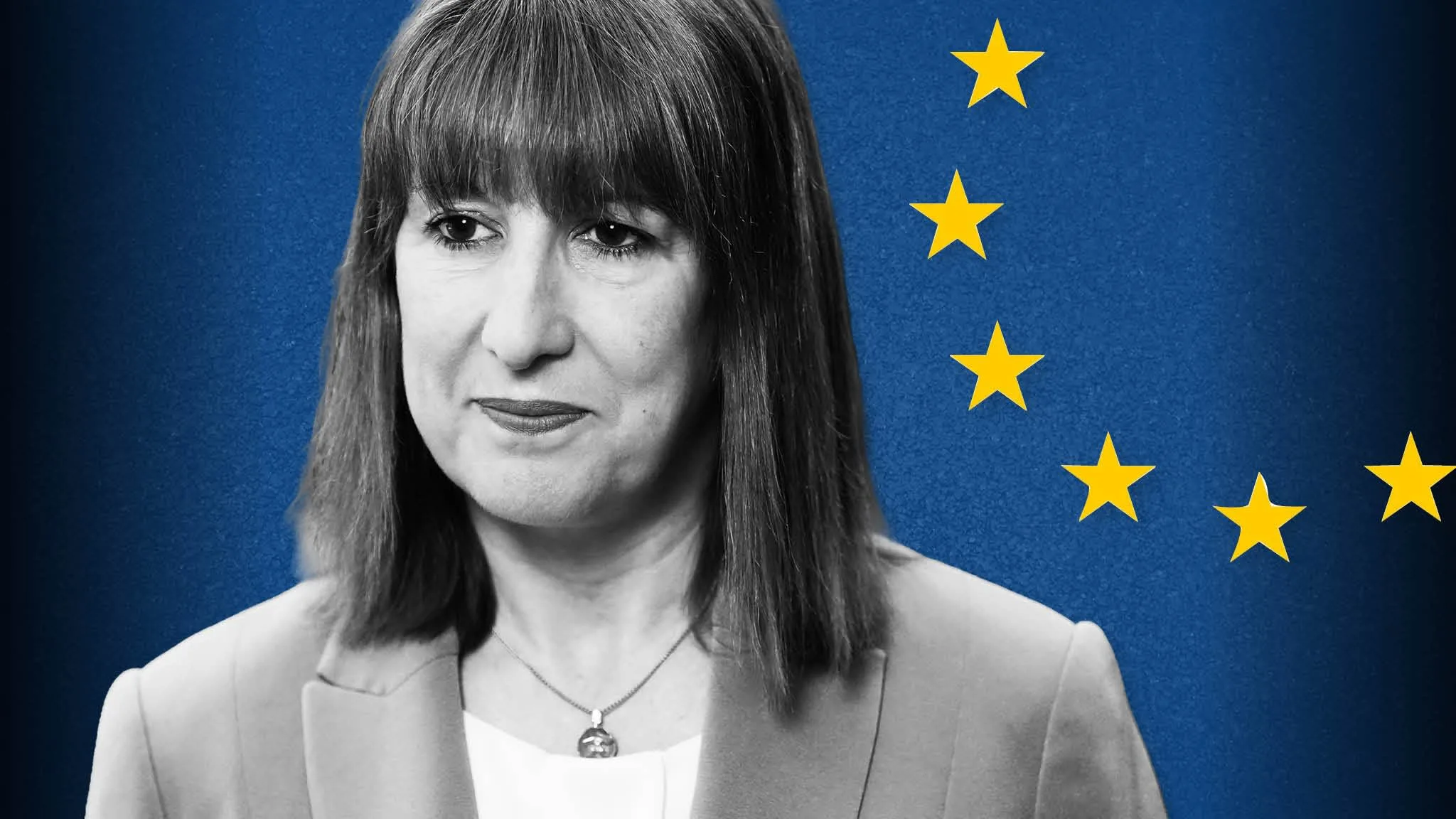
The diplomatic corridors of Brussels and the financial hubs of London are currently witnessing a calibrated shift in tone, as Chancellor of the Exchequer Rachel Reeves embarks on an ambitious mission to recalibrate the United Kingdom’s relationship with the European Union. After years of adversarial rhetoric and legal disputes over the Northern Ireland Protocol, the new Labour administration has signaled a "reset" intended to lower trade barriers and stimulate the UK’s stagnant productivity. However, as Reeves seeks to woo European counterparts with a more collaborative spirit, a stark reality is emerging: the European Commission remains unmoved by mere tonal shifts, demanding concrete concessions and structural commitments that the British government may find politically difficult to deliver.
The economic impetus for this re-engagement is undeniable. Since the formal exit from the European Single Market and Customs Union, the UK has grappled with a persistent "Brexit discount" in its trade and investment data. The Office for Budget Responsibility (OBR) has consistently estimated that the long-term impact of leaving the EU will result in a UK economy that is 4% smaller than it would have been otherwise. This translates to roughly £100 billion in lost output and £40 billion in lower tax receipts annually—a fiscal vacuum that Reeves must address if she is to fulfill the government’s pledge of achieving the highest sustained growth in the G7.
For the Chancellor, the "warm words" phase of diplomacy is a necessary first step to rebuild trust, yet it faces the formidable "no cherry-picking" doctrine that has defined the EU’s negotiating stance since 2016. Brussels remains wary of any British attempt to secure the benefits of the Single Market—such as frictionless trade in goods or passporting rights for financial services—without accepting the corresponding obligations, including the jurisdiction of the European Court of Justice (ECJ) and the principle of free movement. While Reeves has been careful to rule out a return to the Single Market or the Customs Union, the narrow space remaining for negotiation requires a level of technical precision that goes far beyond general expressions of goodwill.
One of the primary friction points lies in the realm of regulatory alignment. The UK’s manufacturing and life sciences sectors have been vocal about the costs of divergence, where differing standards for chemicals (REACH) and medical devices add layers of bureaucracy and expense. Business leaders have urged the Treasury to pursue a veterinary agreement—a Sanitary and Phytosanitary (SPS) pact—which would significantly reduce checks on food and agricultural exports. However, the EU typically requires "dynamic alignment" for such agreements, meaning the UK would have to automatically adopt new EU rules as they are updated. For a government sensitive to charges of surrendering sovereignty, this remains a delicate political tightrope.
The services sector, which accounts for approximately 80% of the UK’s economic output, presents an even more complex challenge. Since the implementation of the Trade and Cooperation Agreement (TCA), UK-based professionals in law, architecture, and accounting have lost the automatic right to practice across the bloc. Reeves has hinted at seeking a mutual recognition of professional qualifications, a move that would provide a significant boost to the City of London and the UK’s high-value service exports. Yet, the EU has historically been reluctant to grant such broad recognition to third countries, fearing it could undermine the integrity of its internal market.
Data from the British Chambers of Commerce (BCC) suggests that over 60% of UK exporters are currently struggling to navigate the complexities of the TCA. Small and medium-sized enterprises (SMEs), in particular, have been disproportionately affected by "rules of origin" requirements and VAT complexities, leading many to cease trading with the EU altogether. In this context, the Chancellor’s efforts are seen as a vital lifeline for the UK’s industrial base. Nevertheless, the EU’s price for easing these burdens often involves concessions that the UK government has hitherto been reluctant to discuss, such as a youth mobility scheme.
The proposal for a youth mobility agreement has emerged as a litmus test for the sincerity of the UK’s "reset." Brussels has signaled that it views a reciprocal arrangement allowing young people to work and study across borders as a foundational element of any deepened partnership. While the UK government has expressed caution, fearing that such a scheme could be framed by political opponents as a back-door return to free movement, economic analysts argue that the UK’s labor-starved hospitality and social care sectors would benefit immensely. The tension between political optics and economic utility is perhaps nowhere more visible than in this debate.
Geopolitical shifts are also playing a significant role in shaping the UK’s European strategy. The uncertainty surrounding the future of US trade policy, particularly in the event of a shift toward more protectionist measures in Washington, has heightened the importance of a stable and integrated European trade relationship. Furthermore, the shared challenges of the green energy transition and the rise of advanced technologies like artificial intelligence provide a natural foundation for cooperation. Reeves has emphasized the potential for a "security pact" that extends beyond defense to encompass economic and energy security. By framing the relationship through the lens of shared resilience against global volatility, the Treasury hopes to find common ground that bypasses some of the more contentious trade-specific hurdles.
However, the EU’s institutional memory is long, and the "trust deficit" created during the negotiation of the Northern Ireland Protocol has not entirely evaporated. European diplomats have noted that while the change in leadership in London is welcome, the UK’s desire for "bespoke" arrangements continues to cause friction. The EU’s priority remains the stability of its own union and the protection of the Single Market’s legal order. For Reeves, this means that every incremental gain in trade facilitation will likely require a corresponding commitment to regulatory cooperation or financial contribution to EU programs like Horizon Europe or Copernicus.
Investment data underscores the urgency of the Chancellor’s task. Foreign Direct Investment (FDI) into the UK has seen a period of volatility and relative stagnation compared to pre-2016 levels. Global investors often cite regulatory uncertainty and the lack of a clear, long-term relationship with the EU as primary deterrents. By signaling a more stable and predictable path forward, Reeves aims to restore the UK’s status as a premier destination for international capital. Market analysts suggest that even a modest reduction in trade friction could provide a meaningful boost to business confidence, potentially unlocking billions in "wait-and-see" capital currently sitting on corporate balance sheets.
The upcoming review of the Trade and Cooperation Agreement in 2026 serves as a critical deadline for the Chancellor’s strategy. While the review is intended to be a technical assessment of the deal’s implementation rather than a wholesale renegotiation, it provides a window of opportunity to tighten cooperation in specific sectors. Reeves is expected to use the intervening period to build a coalition of supportive member states, particularly among those with strong trade links to the UK, such as Germany, France, and Ireland. Yet, the centralized power of the European Commission in trade matters means that bilateral "wooings" can only go so far.
Ultimately, the success of Rachel Reeves’ European strategy will be measured not by the warmth of the receptions she receives in Paris or Berlin, but by the tangible reduction in the cost of doing business across the English Channel. The Chancellor faces the arduous task of convincing a skeptical domestic audience that closer alignment is not a reversal of the 2016 referendum, while simultaneously convincing a pragmatic Brussels that the UK is ready to be a reliable, rule-following partner. As the "warm words" begin to cool, the hard work of technical negotiation and political compromise begins. The economic future of the United Kingdom may well depend on whether the Treasury can move beyond the language of friendship and into the difficult terrain of structural integration.