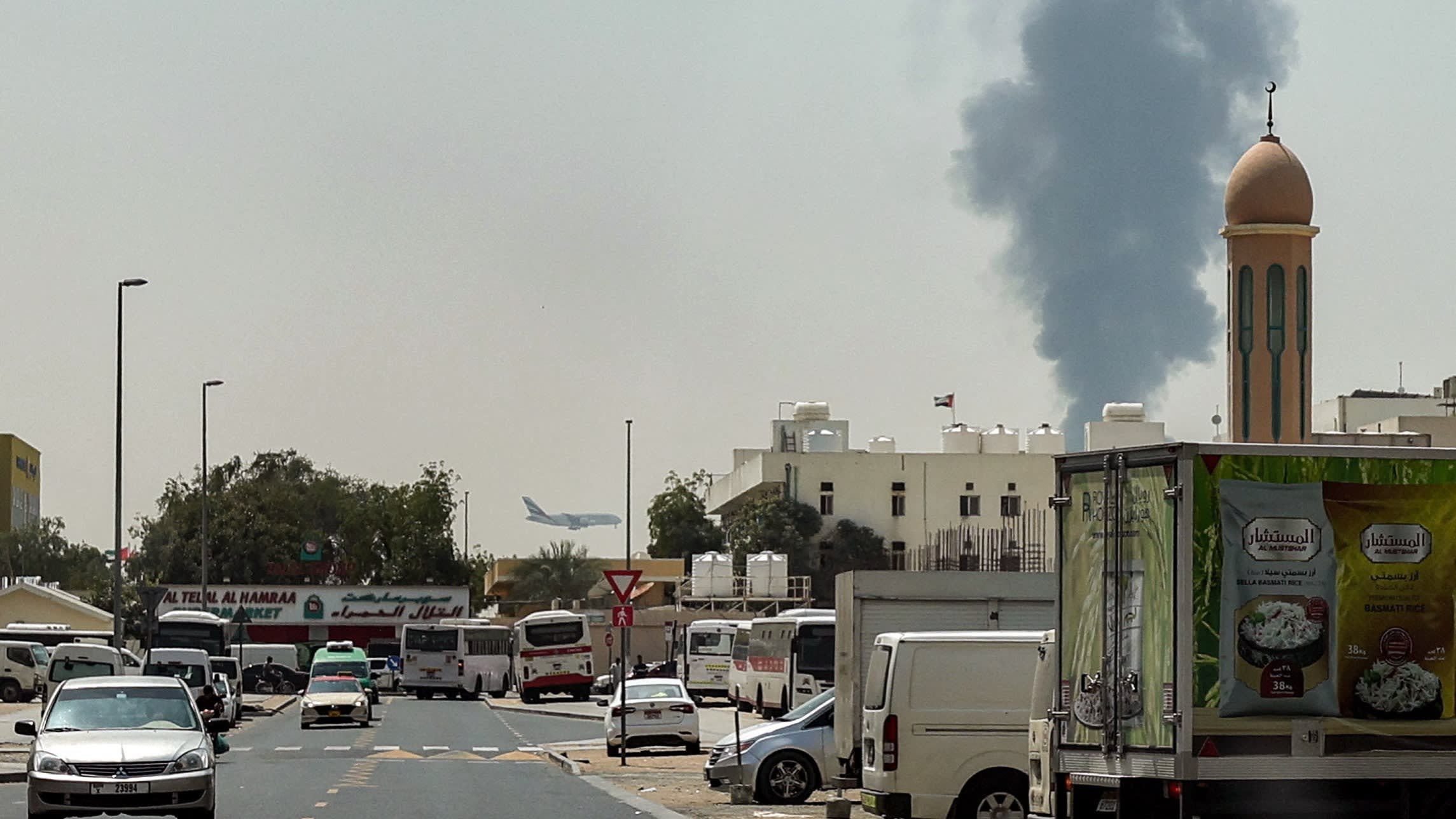
The strategic calm of the world’s busiest international aviation corridor was tested this week as Emirates, the flagship carrier of the United Arab Emirates, was forced to implement emergency rerouting protocols following reports of drone activity near Dubai International Airport (DXB). The incident, which triggered a swift response from civil aviation authorities and security forces, underscores the growing vulnerability of global logistics hubs to the proliferation of unmanned aerial vehicles (UAVs) and the escalating geopolitical complexities of the Middle East. For an airport that serves as the primary engine of Dubai’s economy, the disruption represents more than a logistical headache; it is a direct challenge to the "safe haven" status that the UAE has meticulously cultivated over decades.
Dubai International Airport is not merely a transit point; it is a critical node in the global economy. In 2023, the airport handled approximately 87 million passengers, surpassing pre-pandemic levels and solidifying its position as a vital link between the East and the West. When operations at such a facility are throttled, the ripple effects are felt across the global supply chain. Emirates, which operates a massive fleet of Boeing 777s and Airbus A380s, relies on the precision of its "hub and spoke" model. Even a brief window of closure or the necessity of rerouting to secondary airports like Al Maktoum International (DWC) or neighboring hubs in Sharjah and Abu Dhabi creates a cascade of delays, missed connections, and significant operational costs.
The economic cost of groundings and reroutes is staggering. Aviation experts estimate that for a carrier of Emirates’ scale, every hour of disruption can cost millions of dollars in additional fuel burn, crew overtime, and passenger compensation. Beyond the immediate balance sheet, there is the broader impact on Dubai’s Gross Domestic Product (GDP). The aviation and tourism sectors combined contribute nearly 30% to the emirate’s economy. In a region where perception of security is as valuable as physical infrastructure, the sight of diverted flight paths on tracking software like FlightRadar24 can rattle investor confidence and influence the risk premiums set by international insurers.
The emergence of drones as a disruptive force in civil aviation is a global phenomenon, but it carries specific weight in the Persian Gulf. Unlike the hobbyist drone incursions that famously paralyzed London’s Gatwick Airport in 2018, the context in the Middle East is often tied to asymmetric warfare and regional tensions. Security analysts point to the increasing use of "suicide drones" and surveillance UAVs by non-state actors as a primary concern for high-value infrastructure. While the UAE has invested billions in sophisticated missile defense systems, such as the Terminal High Altitude Area Defense (THAAD) and Patriot batteries, these systems are primarily designed to intercept ballistic threats rather than small, low-flying, and slow-moving drones that can evade traditional radar.
In response to these evolving threats, Dubai has become a testing ground for cutting-edge anti-drone technology. The General Civil Aviation Authority (GCAA) has collaborated with technology firms to deploy electronic "geofencing" and signal-jamming equipment around sensitive perimeters. However, the challenge remains the "electronic footprint" of these countermeasures. Jamming a drone’s GPS signal in a densely packed urban environment like Dubai risks interfering with the very navigation systems that commercial airliners depend on during takeoff and landing. This technical catch-22 is why rerouting remains the safest, albeit most expensive, immediate solution for airlines like Emirates.
The geopolitical landscape further complicates the narrative. The UAE’s role as a global trade and financial center makes it a high-visibility target for those looking to exert political pressure. Whether the drone activity is attributed to regional adversaries or unidentified "rogue" operators, the intent is often to signal vulnerability. For the Dubai government, maintaining the narrative of stability is paramount. The "D33" economic agenda, which aims to double the size of Dubai’s economy over the next decade, depends on the seamless flow of people and capital. Any persistent threat to the airspace could force a re-evaluation of the region’s risk profile by multinational corporations that use Dubai as their regional headquarters.
Market analysts are also closely watching the insurance industry’s reaction to these events. The London-based insurance market, particularly Lloyd’s, monitors "War Risk" and "Terrorism Risk" zones with high sensitivity. A series of drone-related disruptions could lead to a hike in premiums for aircraft hull and liability insurance for carriers operating in the Gulf. For Emirates, which is currently undergoing a massive $2 billion cabin interior refresh and expanding its fleet with orders for Boeing 777Xs and Airbus A350s, rising operational risks could put pressure on long-term capital expenditure plans.
Furthermore, the competition for aviation dominance in the region is intensifying. With Saudi Arabia’s ambitious "Vision 2030" plan and the launch of Riyadh Air, the UAE faces a neighbor that is investing $100 billion in its own aviation sector. Qatar Airways and its hub at Hamad International Airport also remain formidable competitors. In this high-stakes environment, operational reliability is a key differentiator. Dubai cannot afford to let its skies become a theater of uncertainty. The rerouting of flights is a testament to the airline’s commitment to safety, but it also serves as a clarion call for accelerated investment in autonomous security protocols that can neutralize threats without grounding the economy.
The psychological impact on the traveling public is another factor that authorities must manage. Modern travelers are hyper-aware of regional volatility. While Emirates has built a brand synonymous with luxury and reliability, the inconvenience of diverted flights and the anxiety of security alerts can erode brand equity. The airline’s communications strategy during such incidents is usually one of "controlled transparency"—acknowledging the disruption while emphasizing that safety protocols are functioning as intended. This balance is crucial to preventing a panic that could lead to a downturn in the tourism sector, which saw record numbers of visitors in the early months of 2024.
From a regulatory perspective, the incident is likely to trigger a new wave of international cooperation. The International Civil Aviation Organization (ICAO) has been working on a global framework for the integration of Unmanned Aircraft Systems (UAS) into shared airspace, but the pace of technological advancement often outstrips the speed of policy. Dubai’s experience provides a case study for other major hubs like Singapore’s Changi or London’s Heathrow on how to manage the intersection of high-density commercial traffic and the "gray zone" of drone activity.
Looking ahead, the resilience of Dubai’s aviation sector will depend on a multi-layered defense strategy. This includes not only physical and electronic barriers but also diplomatic efforts to de-escalate regional tensions that fuel such provocations. The UAE has increasingly leaned into "soft power" and mediation, recognizing that its economic prosperity is inextricably linked to regional peace. However, as long as the technology for drone warfare remains cheap and accessible, the threat will persist.
The rerouting of Emirates flights this week is a stark reminder that the global economy’s most vital arteries are often its most exposed. As the airline resumes its normal schedule and the drones vanish from the radar, the focus shifts to the "silent war" of security infrastructure. For Dubai, a city that has built its future on the ability to connect the world, the mandate is clear: the skies must remain not only open but untouchable. The cost of failure is not just a delayed flight, but the potential slowing of one of the world’s most dynamic economic engines. As the sun sets over the iconic control tower at DXB, the mission for the GCAA and Emirates remains unchanged—navigating a world where the threats are getting smaller, harder to see, and increasingly capable of grounding the giants of the sky.