India has strategically adjusted its manufacturing localization mandates for electric truck and bus components, allowing for the continued import of rare earth magnet traction motors until September 2026 under the ambitious ₹10,900-crore PM E-Drive scheme. This pivotal decision underscores a pragmatic approach to accelerating zero-emission commercial vehicle deployment in the face of persistent global supply chain vulnerabilities, particularly those stemming from the critical rare earth minerals market. The move, communicated via a notification on March 13, marks the second such relaxation, following an initial deferral of the localization deadline from September 2025 to March 2026, highlighting the enduring challenges in establishing a fully indigenous EV component ecosystem for heavier vehicle segments.
The PM E-Drive (Prime Minister Electric Drive Revolution in Innovative Vehicle Enhancement) scheme is a cornerstone of India’s green mobility agenda, designed to catalyze the adoption of electric vehicles and expand charging infrastructure nationwide. With a substantial outlay, nearly half of the scheme’s total budget, approximately ₹4,891 crore, is specifically earmarked for subsidizing electric trucks and buses. This allocation includes ₹4,391 crore for e-buses and ₹500 crore for clean trucks, aiming to support the deployment of over 14,000 electric buses and 5,500 electric trucks. Such subsidies are crucial, given that a standard electric bus or heavy electric truck can cost between ₹1 crore and ₹1.25 crore, significantly higher than their diesel counterparts, which range from ₹25 lakh to ₹50 lakh. The incentives, providing ₹20-35 lakh per e-bus and ₹2-9 lakh per e-truck, are vital for making these vehicles commercially viable for fleet operators and manufacturers alike.
This policy adjustment arrives amidst a period of robust growth in India’s electric commercial vehicle segment. In 2025, electric bus sales surged by an impressive 22% year-on-year, reaching 4,408 units, with over 1,100 units already sold in the early months of 2026. The electric heavy and medium goods vehicle sector, though starting from a lower base, witnessed an even more dramatic expansion, with sales skyrocketing by 152% to 566 units in 2025, according to data from the government’s Vahan portal. This burgeoning demand underscores the market’s readiness for electrification but simultaneously exposes the inherent dependencies on international component supply chains.
The core of the challenge lies in rare earth magnet traction motors. These components are indispensable for the efficient operation of larger electric vehicles due to their superior power density and torque capabilities. While smaller EVs like two-wheelers and some three-wheelers can utilize rare earth magnet-free motor designs, heavy-duty applications demand the performance characteristics offered by these specialized magnets. The global supply of rare earth magnets is dominated by China, which controls an estimated 60% of global rare earth mining and over 90% of the processing and magnet manufacturing capacity. This near-monopoly created significant vulnerabilities when China, in April 2025, began to restrict exports of these critical materials, sending ripple effects across diverse global industries, including defense, electronics, renewable energy, and automotive manufacturing.
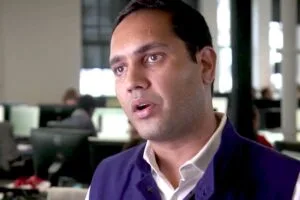
The rare earth supply crunch highlighted India’s strategic imperative to balance immediate deployment needs with long-term self-reliance. Amit Bhatt, India managing director of the International Council on Clean Transportation, a prominent global think-tank, characterized the government’s extended relaxation as a "pragmatic step" to boost zero-emission commercial EV sales. He noted that the electric truck sector in India is still nascent, requiring sustained policy support to achieve the scale necessary for market takeoff. Temporary import relaxations, such as for rare-earth magnet traction motors, are seen as crucial to prevent delays in early deployments caused by supply chain bottlenecks. However, Bhatt also emphasized the importance of progressively tightening localization requirements as the market matures and volumes increase, thereby fostering domestic manufacturing capacity and strengthening India’s EV supply chain.

For Indian automakers and component manufacturers, the phased manufacturing programme (PMP) under the PM E-Drive scheme outlines a progressive reduction in permissible imported components. Non-compliance with these domestic value addition criteria means forfeiture of crucial incentives, which are vital for maintaining profit margins, especially for the high-cost commercial EV segment. The ongoing reliance on imported traction motor sub-assemblies, where the magnets are already integrated, underscores the technological gap and the significant investment required to build end-to-end domestic capabilities.
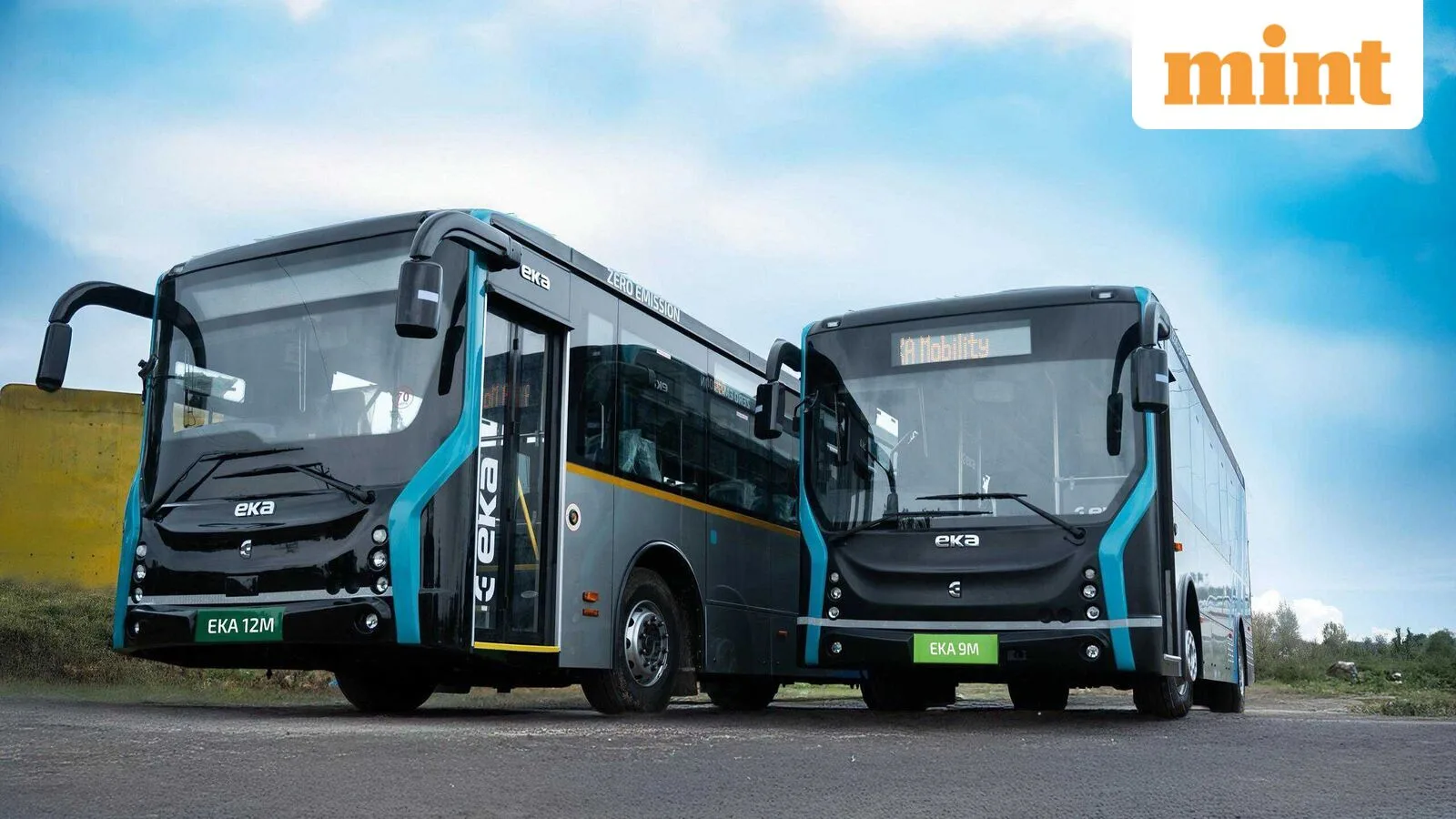
Developing alternatives to rare earth magnet technology is a complex, capital-intensive endeavor. As a spokesperson for EKA Mobility, a Pune-based e-bus manufacturer, highlighted in December, the research, development, testing, and validation of alternative motor topologies can typically take at least two years before they can be introduced into the supply chain at scale. EKA Mobility, which secured a significant portion of a recent 10,900-bus tender under the PM E-Drive scheme, securing orders for approximately 3,400 units, emphasized that the availability of rare earth magnets is critical for fulfilling these orders. This illustrates the immediate operational pressure on manufacturers who have committed to ambitious delivery schedules under government tenders.
Globally, nations are grappling with similar challenges. The United States, through initiatives like the Inflation Reduction Act (IRA), and the European Union are actively pursuing strategies to localize EV supply chains, reduce reliance on single-source suppliers, and secure critical minerals. These efforts often involve substantial subsidies, tax credits, and strategic partnerships, reflecting a global race to dominate the future of green technology while mitigating geopolitical risks. India’s approach, therefore, aligns with a broader international trend of balancing aspirational industrial policy with the practicalities of global trade and existing technological dependencies.
The relaxation of sourcing rules until September 2026 provides a critical window for Indian industry to ramp up its capabilities. This period can be leveraged for intensified research and development into rare earth-free motors, such as advanced induction motors or ferrite-based designs, as well as for establishing domestic facilities for processing rare earth minerals and manufacturing magnets. Such initiatives would require significant government support, private sector investment, and potentially, international technology transfers and collaborations. The long-term vision must extend beyond merely assembling components to building a robust ecosystem encompassing raw material extraction, processing, component manufacturing, and advanced R&D.
Looking ahead, the success of India’s commercial EV push hinges on a delicate balancing act. The immediate objective of accelerating EV adoption for environmental benefits and reduced fossil fuel dependency necessitates flexible policies that address current supply chain constraints. Concurrently, the strategic goal of achieving ‘Atmanirbhar Bharat’ (self-reliant India) in critical sectors like electric mobility demands sustained efforts to indigenize technology and manufacturing. The September 2026 deadline serves as a crucial milestone. By then, the Indian government and industry must demonstrate tangible progress in reducing reliance on imported rare earth magnet traction motors, either through domestic production or the widespread adoption of viable alternative technologies. Failure to do so could lead to renewed calls for extensions, potentially undermining the long-term objective of a self-sufficient and resilient Indian EV manufacturing base. The path to green mobility is complex, requiring not just innovation but also adaptive policy-making that can navigate global economic and geopolitical realities.