The intricate web of global commerce is currently being tested by escalating geopolitical tensions in West Asia, creating significant ripples that extend far beyond the immediate conflict zones. For India, a burgeoning economic powerhouse deeply integrated into global supply chains, these disruptions are particularly impactful, manifesting as substantial delays in export shipments and, consequently, a slowdown in critical payment flows for its rapidly expanding cross-border fintech sector. While the direct kinetic impact is felt primarily by logistics and goods exporters, the downstream effects are now clearly visible in financial settlements, challenging the operational resilience of payment platforms serving Indian businesses.
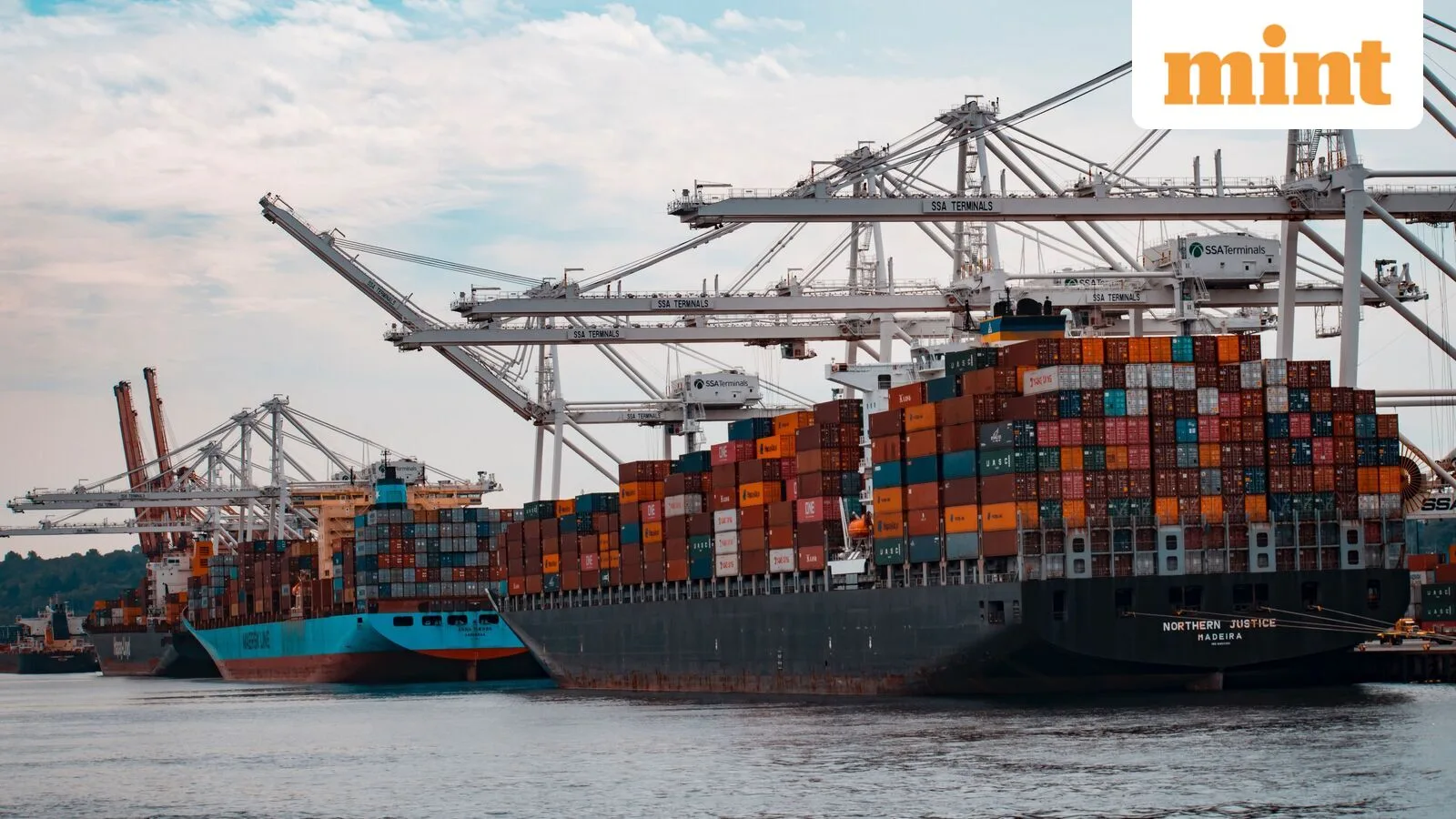
The epicentre of this disruption lies predominantly in the Red Sea and the Gulf of Aden, where maritime routes crucial for East-West trade have been targeted. Attacks by Houthi rebels have compelled major shipping lines to reroute vessels around the Cape of Good Hope, adding weeks to transit times and significantly inflating freight and insurance costs. This strategic detour, while safeguarding vessels, introduces unforeseen delays for shipments destined for or transiting through the Gulf Cooperation Council (GCC) and broader Middle Eastern markets. For India, a key trading partner with the GCC, this translates into a bottleneck for a significant portion of its merchandise exports, including electronics, processed foods, textiles, and agricultural products.
The immediate consequence for Indian exporters is a protracted waiting period for consignments to reach their final buyers in the GCC. Industry executives from cross-border payment firms report that this logistical logjam directly impedes the collection and settlement processes. Unlike service exporters, such as software firms or freelance professionals, whose digital transactions remain largely unhindered, merchandise exporters are tethered to the physical delivery of goods for payment realization. A founder at a prominent Indian cross-border payments startup, speaking on condition of anonymity due to the sensitive nature of market observations, revealed a tangible dip: "At an industry level, we are seeing a 20% to 30% dip in Middle East-linked volumes at the start of March among exporters with monthly business volumes of up to $2 million. The month is still underway, but the disruption is already visible." This observation underscores the immediate financial strain on a substantial segment of India’s export-oriented small and medium enterprises (SMEs).
India’s trade relationship with the GCC is economically vital, forming a cornerstone of its international commerce. Government data for the fiscal year 2025 indicated that goods trade between India and the GCC amounted to a substantial $178.56 billion. Of this, Indian exports to the region were valued at $56.87 billion, while imports stood at $121.66 billion. Cumulatively, this trade volume represented a significant 15.42% of India’s global trade, highlighting the strategic importance of smooth trade arteries with the Middle East. The broader cross-border payments opportunity for India is immense; in 2023, the nation’s total goods and services trade surpassed $1.6 trillion, according to estimates from the World Bank and the World Trade Organization, making the efficiency of cross-border payment rails a critical enabler of economic growth.
The affected export categories are diverse, spanning mobile exports, fresh fruits and vegetables, textiles, and agro-processed goods destined for GCC markets. The pressure is particularly acute for suppliers of perishable items. For these businesses, delays do not merely defer payment but can critically erode the value of the underlying goods, leading to significant financial losses if consignments spoil or reach buyers in a compromised state. "For agro-processing, that remains a challenge because perishability of the goods is a major issue," noted the aforementioned fintech executive. Adding to this precarious situation, many standard insurance policies often contain exclusions for war-related disruptions, leaving exporters with limited recourse for financial recovery in such scenarios. This dual threat of delayed payments and potential product spoilage presents a severe liquidity challenge for these businesses, often requiring them to tie up more working capital for longer periods.
This environment presents a unique test for India’s burgeoning cross-border fintech sector. This segment, relatively nascent but experiencing rapid growth, has attracted significant investment and regulatory attention. The Reserve Bank of India’s (RBI) Payment Aggregator – Cross Border (PA-CB) framework has been instrumental in fostering innovation, drawing in a new cohort of startups like Skydo and BriskPe, which have secured RBI approvals, alongside established players such as Razorpay and Cashfree, who are aggressively expanding their offerings in this domain. These firms are building the essential digital infrastructure that facilitates the seamless flow of funds for international trade. However, the current disruptions underscore that even the most advanced digital payment systems are ultimately reliant on the underlying physical movement of goods.
While the current situation is not indicative of a systemic failure within the payment processing infrastructure itself, it highlights vulnerabilities in the broader trade ecosystem. Fintech executives are closely monitoring whether prolonged logistical delays and the ensuing reconciliation challenges begin to affect a wider array of exporters and their payment cycles. The initial impact is more likely to manifest as a dip in revenue due to lower transaction volumes rather than direct margin pressure, though a protracted crisis could eventually lead to higher operational costs and potentially spill over to other crucial trade routes, including those serving the UK and Europe.
In response to these uncertainties, many payment startups are proactively bolstering their resilience strategies. Anand Balaji, CEO of Xflow, a cross-border payment platform, affirmed their approach: "We are preparing for (any possible) disruption by giving customers multiple ways to receive overseas payments, including local transfers and wire payments, so exporters are not dependent on a single collection route." This strategy of diversifying collection channels aims to mitigate the risk of single-point failures in the payment chain. Furthermore, Xflow, like other industry players, is keenly observing currency volatility as a secondary effect of the broader geopolitical landscape, particularly the US-Iran dynamics. A weakening Indian Rupee, while potentially beneficial for exporters in the long run, introduces short-term uncertainty, prompting fintechs to provide tools for managing foreign exchange risks.
A looming concern within the industry is the potential for a sudden influx of delayed export proceeds once the logistical bottlenecks ease. This "bunching" of payments, while ultimately welcome, could create a temporary backlog for Indian cross-border payment fintechs to process. An industry executive, also speaking anonymously, clarified that this does not signify a structural weakness in Indian cross-border fintechs. "Under RBI rules, exporters now have up to 15 months to realise export proceeds, which gives them a wider compliance window even if payment terms come under pressure during the conflict," the executive explained. While a large volume of delayed receipts could temporarily increase the operational load on reconciliation, payout processing, and customer support, it is largely viewed as a transient strain on batch processing capabilities rather than a systemic settlement failure.
Adding another layer of complexity, several global banks in the West Asia region have taken precautionary measures, including moving staff or shifting to remote operations following heightened security concerns. Citi, Standard Chartered, and HSBC are among the institutions that have adjusted their regional operations. However, industry experts generally believe that these measures will have a limited direct impact on the largely electronic cross-border payment flows. The RBI’s stringent cyber resilience and digital payment security rules mandate that non-bank payment operators maintain robust business continuity, incident response, and disaster recovery arrangements. Should a bank or data centre be affected, the more probable outcome is slower processing and temporary rerouting through backup systems, rather than a prolonged halt in payment flows, ensuring a foundational level of resilience in the digital financial infrastructure.
The current climate serves as a potent reminder of the interconnectedness of global trade, logistics, and finance. For India, a nation committed to expanding its export footprint, these disruptions highlight the critical need for diversified trade routes, resilient supply chains, and robust digital payment ecosystems capable of weathering geopolitical storms. As the situation in West Asia continues to evolve, the adaptability and strategic foresight of India’s cross-border fintech sector will be crucial in ensuring that the nation’s economic momentum remains unhindered, even amidst the tempestuous currents of global affairs. The lessons learned from these challenges will undoubtedly shape future strategies for trade finance and digital payments, emphasizing preparedness and redundancy in an increasingly unpredictable world.