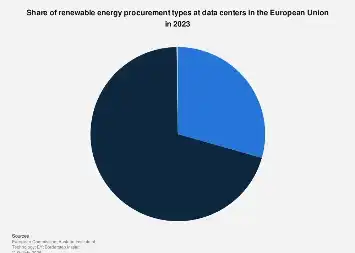
The burgeoning demand for digital services, fueled by artificial intelligence, cloud computing, and the Internet of Things, is placing unprecedented pressure on Europe’s data center infrastructure. As these digital hubs consume vast amounts of electricity, a critical pivot towards sustainable energy sourcing is underway, fundamentally reshaping how data center operators procure their power. A recent analysis reveals that while direct renewable energy procurement remains a dominant strategy, a growing emphasis on innovative and diversified approaches is emerging across the continent.
Historically, the power-hungry nature of data centers has been a significant contributor to their environmental footprint. However, as corporate sustainability goals intensify and regulatory pressures mount, the sector is increasingly prioritizing a transition to renewable energy sources. This shift is not merely an ethical imperative but is becoming a strategic business decision, driven by factors such as energy security, cost predictability, and enhanced brand reputation.
The most prevalent method for data centers to secure renewable energy is through Power Purchase Agreements (PPAs). These long-term contracts allow operators to directly purchase electricity from renewable energy generators, such as solar farms or wind parks, at a fixed or pre-determined price. This offers a dual benefit: it provides a stable and often competitive electricity cost, insulating operators from the volatility of fossil fuel markets, while simultaneously guaranteeing a direct contribution to the growth of renewable energy capacity. The European market has seen a significant surge in PPA activity, with major tech companies and colocation providers actively signing deals to power their facilities with clean energy. This trend is supported by government incentives and a maturing market for renewable energy development, making PPAs an attractive and reliable option.
Beyond direct PPAs, a more nuanced approach involves the procurement of Renewable Energy Certificates (RECs), also known as Guarantees of Origin (GOs) in Europe. While PPAs represent a direct purchase of energy from a specific renewable source, RECs are financial instruments that certify the generation of a certain amount of electricity from renewable sources. Data centers can purchase these certificates to offset their conventional energy consumption, effectively claiming to use renewable energy. While less impactful in terms of directly financing new renewable capacity compared to PPAs, RECs offer a more flexible and accessible solution, particularly for data centers with less capacity for large-scale, long-term energy contracts or those operating in regions with less developed renewable energy markets. This method allows for greater agility in achieving renewable energy targets, especially for smaller operators or those with fluctuating energy needs.
However, the landscape is evolving, with a growing recognition that a singular reliance on either PPAs or RECs might not be the most effective or comprehensive strategy. Increasingly, data center operators are exploring hybrid models that combine different procurement methods to optimize their sustainability efforts and energy security. This can involve a mix of direct PPAs for a baseline of renewable energy, supplemented by RECs to cover any residual consumption or to meet specific regional renewable energy mandates.
Furthermore, some forward-thinking companies are investing in their own on-site renewable energy generation. This can include solar panels installed on the roofs of data center facilities or partnerships with local renewable energy projects. While the scale of on-site generation may not always meet the full energy demands of a large data center, it significantly contributes to their renewable energy mix and demonstrates a tangible commitment to sustainability. This approach also offers greater control over energy supply and can lead to further cost savings in the long run.
The geographical distribution of these procurement strategies across Europe also reveals distinct regional preferences and market maturity. Northern European countries, with their established wind power infrastructure and strong policy support for renewables, often lead in the adoption of direct PPA strategies. Countries like the Netherlands, Sweden, and Denmark have seen a substantial increase in data center investment coupled with ambitious renewable energy targets, driving significant PPA volumes.
In contrast, Southern European nations, with abundant solar resources, are witnessing a rise in solar-powered data centers and a greater interest in solar-focused PPAs. The increasing affordability and efficiency of solar technology are making it a more viable option for powering data centers in these sun-drenched regions. Central and Eastern European markets, while perhaps at an earlier stage of renewable energy adoption for data centers, are rapidly catching up, with growing interest in both PPAs and RECs as the digital infrastructure sector expands.
The economic implications of these procurement shifts are substantial. Investing in renewable energy through PPAs not only stabilizes operational costs for data centers but also provides crucial long-term investment for renewable energy developers, accelerating the transition away from fossil fuels. This can create new jobs in the renewable energy sector, foster innovation in energy management technologies, and contribute to national and regional economic growth. Moreover, by reducing reliance on imported fossil fuels, these strategies enhance energy independence and security for European nations.
Expert analysis suggests that the trend towards diversified renewable energy procurement will only intensify. As the data center industry continues its exponential growth, the pressure to decarbonize will become even more acute. Regulatory frameworks, such as the European Union’s Green Deal and its ambitious climate targets, are expected to further incentivize and, in some cases, mandate the use of renewable energy for large industrial consumers, including data centers.
The challenges, however, are not insignificant. Securing access to sufficient renewable energy capacity to meet the ever-growing demand remains a key hurdle. Grid infrastructure needs to be modernized and expanded to accommodate the intermittent nature of some renewable sources and to ensure reliable power delivery to data centers. Furthermore, the complexity of negotiating long-term PPAs, navigating different regulatory environments across various European countries, and ensuring the additionality of renewable energy procurement (meaning that the procurement directly leads to new renewable capacity) require specialized expertise and market understanding.
Despite these challenges, the trajectory is clear. Europe’s data centers are actively charting a path towards a more sustainable future, driven by a combination of environmental responsibility, economic prudence, and an evolving regulatory landscape. The shift from simply consuming electricity to strategically procuring clean energy represents a fundamental transformation, positioning the data center sector as a key enabler of the broader European green transition. The increasing sophistication and diversity of procurement methods signal a mature and adaptive industry, ready to meet the energy demands of the digital age in an environmentally responsible manner.