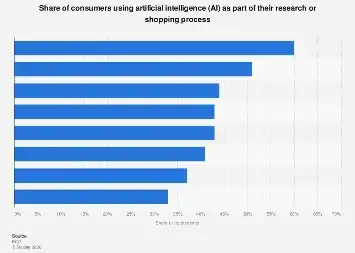
The landscape of consumer product research is poised for a dramatic transformation, with artificial intelligence set to become an indispensable tool for shoppers by 2025. Emerging data suggests a significant acceleration in the adoption of AI-powered platforms and features as consumers increasingly delegate the often time-consuming and complex task of sifting through product information to intelligent algorithms. This shift signifies not merely a technological upgrade but a fundamental alteration in consumer behavior, driven by the promise of efficiency, personalization, and more informed purchasing decisions.
At its core, this trend reflects a broader societal embrace of AI’s capabilities. From personalized recommendations on streaming services to sophisticated chatbots assisting with customer service inquiries, artificial intelligence has steadily woven itself into the fabric of daily life. The application of these technologies to product research, however, taps into a critical juncture of consumer decision-making, where the sheer volume of available options can lead to information overload and decision fatigue. By 2025, it is projected that a substantial segment of the U.S. consumer base will leverage AI to navigate this complexity.
The driving forces behind this projected surge are multifaceted. Firstly, the increasing sophistication and accessibility of AI tools are making them more appealing to a wider demographic. Advanced natural language processing (NLP) enables AI to understand nuanced queries, while machine learning algorithms can analyze vast datasets of product reviews, specifications, and pricing to identify patterns and outliers. This allows AI to move beyond simple keyword matching and offer genuinely insightful comparisons and recommendations tailored to individual needs and preferences. Secondly, the growing awareness among consumers of the benefits of AI-driven insights, such as time savings and the potential for uncovering hidden gems or avoiding poor purchases, is fostering a proactive adoption mindset. As more consumers experience the advantages firsthand, word-of-mouth and demonstrable success stories will further fuel this trend.
Consider the current state of online shopping. A consumer looking for a new television, for instance, might spend hours comparing technical specifications, reading hundreds of reviews, and navigating through countless product pages. This process is not only laborious but also prone to biases introduced by curated search results or the sheer difficulty of objectively evaluating conflicting information. AI-powered research tools, by contrast, can distill this information, highlighting key differentiators, summarizing sentiment from thousands of reviews, and even predicting the long-term reliability of a product based on historical data. This capability promises to democratize access to expert-level product analysis, making it available to the average consumer.
The economic implications of this AI-driven consumer behavior are significant and far-reaching. For e-commerce platforms and retailers, the ability to integrate and leverage AI in product discovery will become a competitive imperative. Those that can offer superior AI-powered research experiences will likely see increased customer engagement, higher conversion rates, and enhanced customer loyalty. This could manifest in several ways: more intelligent search filters that go beyond basic attributes, personalized product curation based on past behavior and stated preferences, and even AI-driven virtual shopping assistants that guide consumers through their purchase journey. The investment in AI infrastructure and talent for these companies will therefore be crucial.
Furthermore, the data generated by AI-powered consumer research will provide invaluable insights for product development and marketing. By analyzing the types of queries consumers are making, the features they are prioritizing, and the pain points they are trying to solve, companies can gain a deeper understanding of market demand and consumer desires. This can inform the design of new products, the refinement of existing ones, and the development of more targeted and effective marketing campaigns. The feedback loop between AI-driven consumer insights and business strategy will become tighter and more responsive.
Looking at global comparisons, while the U.S. market is often at the forefront of technological adoption, similar trends are observable in other developed economies. Markets in Europe and parts of Asia are also seeing rapid growth in AI integration across various consumer touchpoints. However, the specific pace and nature of AI adoption in product research may vary depending on factors such as digital literacy, data privacy regulations, and the existing competitive landscape of e-commerce. The U.S. market, with its mature e-commerce infrastructure and high consumer receptiveness to new technologies, is well-positioned to be a leading indicator for these global shifts.
The projected rise in AI usage for product research also raises important considerations for market analysis and forecasting. Traditional methods of market research, which often rely on surveys and focus groups, may need to be augmented or even supplanted by real-time analysis of AI-driven consumer behavior. Understanding how consumers are interacting with AI to make purchasing decisions will offer a more dynamic and accurate picture of market trends than static snapshots.
However, this transition is not without its challenges. Ensuring the transparency and ethical use of AI in product research is paramount. Consumers need to trust that the AI is providing unbiased recommendations and not being manipulated by commercial interests. Issues of data privacy and security will also remain critical, as AI systems will be processing sensitive personal preferences and purchasing histories. Regulatory frameworks will likely need to evolve to address these concerns, fostering a balance between innovation and consumer protection.
Moreover, the digital divide could exacerbate inequalities if access to advanced AI research tools is not equitably distributed. While basic AI functionalities are becoming increasingly ubiquitous, the most sophisticated and personalized tools might remain accessible only to those with premium subscriptions or specific technological literacy. This could create a scenario where some consumers are better equipped to make optimal purchasing decisions than others, potentially leading to disparities in value for money.
The impact on marketing and advertising will also be profound. As consumers rely more on AI for unbiased information, traditional advertising methods may become less effective. Marketers will need to adapt by focusing on creating genuine value and demonstrating product benefits in ways that AI can readily assess and endorse. Content marketing, influencer collaborations that provide authentic product reviews, and robust data on product performance will likely gain prominence.
The educational aspect of this shift is also noteworthy. As AI becomes more integrated into research processes, there will be a growing need for consumers to understand how these tools work, what their limitations are, and how to critically evaluate the information they provide. Digital literacy initiatives will be crucial to empower consumers to harness the full potential of AI while mitigating its risks.
In conclusion, the projection that U.S. consumers will increasingly utilize AI for product research by 2025 signals a pivotal moment in the evolution of commerce. This trend is driven by technological advancements, growing consumer demand for efficiency, and the inherent limitations of traditional research methods in an increasingly complex marketplace. While the opportunities for businesses and consumers alike are immense, navigating this AI-driven future will require a careful consideration of ethical implications, data privacy, equitable access, and the continuous adaptation of marketing and educational strategies. The companies and individuals that proactively embrace and understand this paradigm shift will be best positioned to thrive in the evolving digital economy.