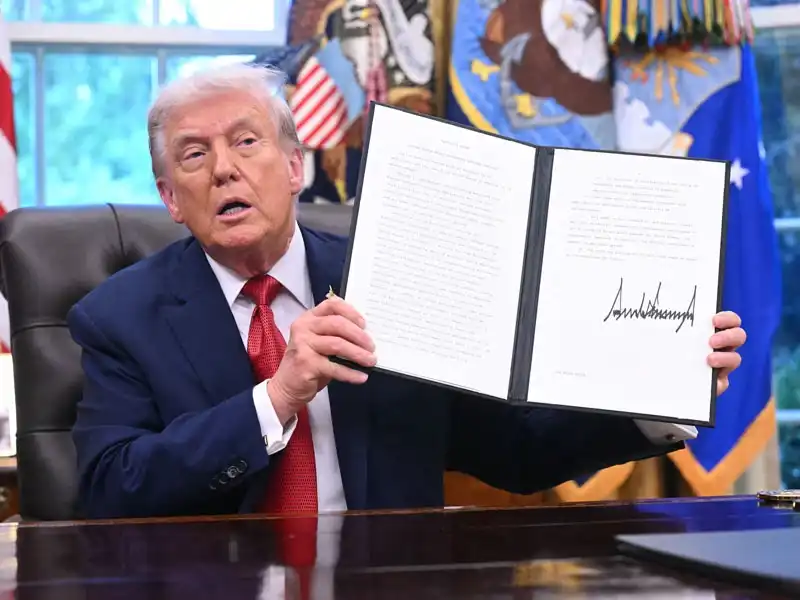
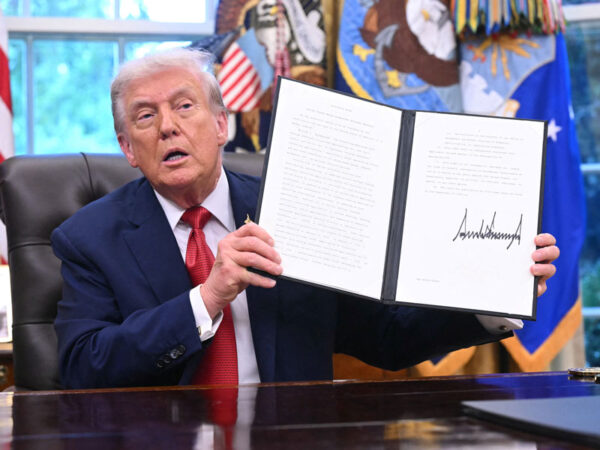
After a protracted period of regulatory scrutiny, diplomatic friction, and a series of extended deadlines, a significant shift in the ownership structure of the immensely popular social media platform TikTok has been mandated. The executive order signed by the US President necessitates a divestiture of the app’s US operations to American entities, culminating years of legal challenges and political pressure. However, beneath the surface of this purported resolution lies a complex arrangement that may, paradoxically, preserve and even enhance China’s strategic leverage over a platform that has become a global cultural phenomenon. This outcome suggests that what appears to be a victory for American sovereignty might, in fact, represent a masterful strategic maneuver by Beijing.
On the surface, the recently brokered framework appears to present a compelling proposition for the United States. The agreement stipulates that Oracle, in conjunction with a consortium of American investors, will assume control of 80 percent of a newly established US-based entity responsible for TikTok’s operations within the United States. Crucially, all data pertaining to American users is slated to be housed on Oracle’s servers located in Texas, thereby addressing immediate national security concerns regarding data sovereignty. Furthermore, the new American entity is set to license TikTok’s proprietary recommendation algorithms, with plans to retrain them using exclusively American user data. The governance structure is also designed to reflect US interests, with six out of seven board seats reserved for American nationals. The deal even includes a financial component, with a substantial payment from the investors to the US administration, framing it as a successful negotiation for the settlement.
However, a more granular examination of the agreement reveals a landscape far less favorable to outright American control. Global investors already collectively hold approximately 60 percent of ByteDance, TikTok’s parent company. The company’s founders retain a 20 percent stake, with employees holding the remaining 20 percent. Consequently, the proposed deal effectively elevates US ownership of the American operational arm to 80 percent, while ByteDance would retain a stake of just under 20 percent, making it the largest single shareholder. The most critical aspect, however, lies in the ownership of the intellectual property underpinning TikTok’s highly effective recommendation algorithms. These remain firmly within ByteDance’s possession. Instead of acquiring the core engine of the platform, Oracle and its American partners are merely obtaining a licensed iteration.
Algorithms, by their very nature, are not static assets. Unlike tangible property, they are dynamic, data-dependent systems that require continuous refinement, adaptation, and substantial engineering support to maintain their efficacy. While Oracle may be granted access to the code and the ability to replicate it, and subsequently retrain the licensed version on US-centric data, the fundamental reliance on China for ongoing updates and enhancements persists. This introduces a significant layer of uncertainty. The critical question arises: will the American entity consistently receive these vital updates? And if so, will it possess the genuine capacity for independent monitoring and auditing of these updates to ensure they do not compromise US interests?
Moreover, the potency of any recommendation algorithm is intrinsically linked not only to its architectural design but also to the breadth and depth of the data it is trained upon. By confining the US version’s training solely to American user data, Oracle will be deprived of access to the vast, globally diverse datasets that have been instrumental in the development of ByteDance’s sophisticated and highly effective algorithms. This data gap could significantly hobble the performance and competitive edge of the US-operated TikTok compared to its global counterpart.
From a geopolitical perspective, China retains significant regulatory control over the transfer and dissemination of ByteDance’s technological assets. Since 2020, China has classified personalized recommendation algorithms as sensitive technologies subject to its export control regulations. This designation means that any export of updates or improvements to TikTok’s algorithm necessitates explicit approval from the Chinese government. This regulatory framework empowers Beijing to wield TikTok as a diplomatic instrument. In scenarios of escalating international tensions, whether related to Taiwan, trade disputes, conflicts in Eastern Europe, or restrictions on advanced semiconductor exports, China could strategically delay or withhold licensing approvals. This would effectively transform TikTok into another potent bargaining chip in its foreign policy arsenal, amplifying its influence on the global stage.
Consequently, US investors in the newly structured American TikTok entity must prepare for an environment characterized by heightened uncertainty. The licensing arrangement, dictated less by immutable legal terms and more by the fluctuating currents of geopolitical dynamics, suggests a shift from direct Chinese control to a more subtle, yet equally potent, form of dependence. Rather than achieving a definitive transfer of control from China to the US, the deal appears to substitute one dependency for another.
While ByteDance would relinquish direct oversight of daily content recommendations, thereby alleviating the most immediate security concerns of the US government, China’s residual influence over the platform’s core algorithmic technology remains intact. Beijing retains the prerogative to define the scope of the license, dictate the frequency of necessary updates, and ultimately determine whether the US version can maintain parity with the globally evolving iteration. This arrangement, far from diminishing China’s influence, risks solidifying its technological leverage.
The immediate anxieties surrounding potential Chinese access to American user data or direct algorithmic manipulation may recede in prominence. However, they are likely to be supplanted by a more insidious and enduring risk: technological dependence on China, which continues to hold sway over the engine that powers TikTok’s extraordinary reach and engagement. The US administration has, in essence, traded one vulnerability for another. It is worth noting, however, that a potentially less competitive American version of TikTok might not be entirely detrimental to US interests. Some observers might even view this outcome as a silver lining. A less hyper-competitive platform could translate into a less addictive user experience, potentially benefiting American teenagers, regardless of their immediate awareness or appreciation of this consequence. The long-term economic implications of such a shift, particularly for the digital advertising market and content creation industries, warrant careful ongoing analysis. The global market for social media platforms is intensely competitive, with significant revenue streams tied to user engagement and data monetization. A diminished TikTok in the US could open avenues for domestic competitors or platforms with stronger US-based ownership and operational control. The potential impact on venture capital investment in the social media sector, and the broader implications for the US technology industry’s global competitiveness, are also critical considerations. This evolving landscape underscores the intricate interplay between technological innovation, national security, and international economic policy in the digital age.