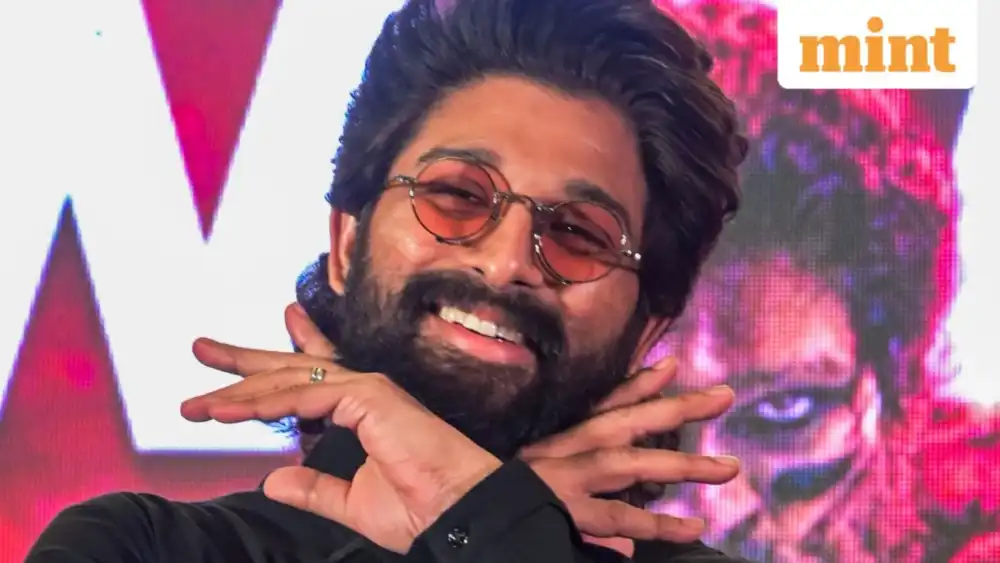
The modern digital ecosystem has fundamentally altered the landscape of public perception, transforming how celebrities manage their invaluable personal brands. A recent high-profile legal action by Indian actor Allu Arjun against a brand strategist for unsubstantiated claims made on a podcast serves as a stark illustration of this evolving challenge. In an era where informal digital content formats, from podcasts to short-form videos and sophisticated AI-generated media, can instantly amplify allegations globally, public figures face an unprecedented degree of reputational exposure. This shift necessitates a more aggressive, technologically astute approach to reputation management, with significant legal, commercial, and ethical implications.
The traditional media gatekeepers, once the primary arbiters of information, have largely been supplanted by a fragmented and democratized digital space. Podcasts, in particular, have emerged as powerful conduits for unvetted narratives. Their intimate, conversational tone often lends an aura of authenticity to content, which can be quickly clipped, repurposed into viral short-form videos on platforms like Instagram Reels and YouTube Shorts, and disseminated across millions of screens. This algorithmic amplification, driven by engagement metrics, often prioritizes sensational, controversial, or provocative claims, regardless of their factual basis. The speed at which a rumour can metastasize from an obscure podcast into mainstream news challenges traditional crisis management timelines, compressing response windows from days to mere hours.
Adding another layer of complexity is the burgeoning threat of artificial intelligence. Deepfakes, which leverage AI to create highly convincing but entirely fabricated audio, video, or images, represent an existential risk to celebrity authenticity. These sophisticated manipulations can depict public figures saying or doing things they never did, ranging from innocuous but embarrassing scenarios to deeply damaging and defamatory acts. The technology’s rapid advancement means that distinguishing genuine content from AI-generated fakery is becoming increasingly difficult for the average consumer, blurring the lines of truth and fiction and eroding public trust. Instances involving prominent figures like Aishwarya Rai Bachchan, Vivek Oberoi, and Ranveer Singh having to seek legal redress against AI-generated fabrications highlight the pervasive nature of this digital menace.
The economic implications of reputational damage in this hyper-connected environment are profound and far-reaching. A celebrity’s "image" is no longer merely an intangible asset; it is a meticulously cultivated, monetizable brand with direct and quantifiable commercial value. The global celebrity endorsement market, estimated at over $50 billion annually, hinges entirely on the perceived integrity and appeal of its stars. Unverified claims or viral controversies can trigger clauses in lucrative endorsement and advertising contracts, often leading to immediate suspension of campaigns, withholding of payments, or outright termination. These "morality clauses" are increasingly broad, allowing brands to distance themselves at the first sign of reputational spillover, even if the allegations remain unproven.
Beyond endorsements, the commercial fallout extends to a celebrity’s entire career ecosystem. Film producers and production houses, investing hundreds of millions in projects, meticulously assess the reputational climate surrounding a star before committing resources. International distributors and streaming platforms also factor in public perception when acquiring content, wary of potential backlash that could impact global viewership and revenue. Even future project negotiations and the ability to secure financing can be influenced by a tarnished image. As legal and brand strategists frequently note, goodwill is painstakingly built over years but can be irrevocably eroded in moments, directly impacting a celebrity’s long-term brand equity and earning potential. The "cancel culture" phenomenon, fueled by rapid digital outrage, serves as a potent reminder of the swift and severe economic consequences of perceived transgressions, whether real or fabricated.

Navigating this digital minefield requires a robust legal and strategic arsenal. From a legal standpoint, jurisdictions worldwide are grappling with updating frameworks designed for traditional media to address the unique challenges of the internet. While criminal defamation provisions exist in many legal systems, including under India’s Bharatiya Nyaya Sanhita, and the right to reputation is enshrined in fundamental rights, enforcing these laws across decentralized, cross-border digital platforms presents significant hurdles. Courts continually strive to delineate the line between fair commentary, satire, and actionable defamation, a distinction that becomes increasingly blurred in the informal, opinion-driven digital sphere. Public figures are increasingly utilizing statutory grievance mechanisms offered by platforms for content removal, alongside pursuing civil and criminal proceedings against originators of defamatory content.
However, legal remedies alone are often reactive. Proactive reputation management strategies are now paramount. Celebrity management teams are deploying sophisticated digital listening tools and AI-powered sentiment analysis platforms to monitor online conversations in real-time. These tools can detect spikes in negative sentiment or the emergence of controversial narratives within hours of their initial appearance, enabling rapid intervention. The goal is to "catch a viral Reel in its first few hours," allowing teams to counter the narrative, issue clarifications, or initiate legal action before a story achieves critical mass and becomes entrenched in public consciousness.
Contractual agreements have also evolved to reflect these new risks. Talent managers are increasingly insisting on pre-approval clauses for media appearances, including reviewing talking points and, in some cases, demanding prior review of podcast edits before content goes live. These provisions aim to exert a degree of control over the narrative before it reaches the public. Furthermore, indemnification clauses and more detailed representations are being incorporated into agreements to protect celebrities from third-party actions and provide recourse if contractual partners inadvertently contribute to reputational harm.
Globally, this challenge transcends geographical boundaries, impacting celebrities from Hollywood to Bollywood and the K-pop industry. The interconnectedness of global media means that a local controversy can quickly become an international headline, amplifying the need for globally coordinated reputation management strategies. Media ethicists and legal experts continually advocate for greater platform responsibility, urging digital giants to implement more rigorous content moderation, faster takedown procedures for defamatory material, and clearer guidelines regarding AI-generated content.
In conclusion, the confluence of easily accessible publishing tools, algorithmic amplification, and increasingly sophisticated AI capabilities has ushered in an era of unprecedented reputational fragility for celebrities. The Allu Arjun case is but one illustration of a broader trend where the value of a public figure’s image is constantly under scrutiny and attack from myriad digital sources. As technology continues to advance, the battle between proactive reputation defense and emerging digital threats will only intensify, demanding continuous innovation in legal, technological, and strategic approaches to safeguard the invaluable currency of celebrity goodwill.