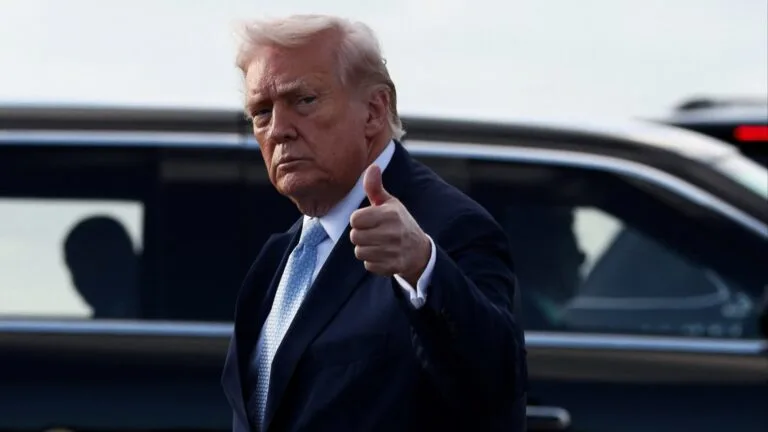
The global energy landscape is facing a period of renewed instability as international oil benchmarks surged following a series of aggressive policy declarations from Donald Trump regarding the United States’ stance on Iran. Crude oil futures experienced a sharp upward trajectory, with Brent and West Texas Intermediate (WTI) both climbing as market participants priced in the heightened risk of a kinetic conflict in the Middle East. This sudden shift marks a departure from the relative, albeit fragile, stability that had characterized the energy sector in recent months, signaling a return to the "maximum pressure" era that defined the previous decade’s geopolitical tensions.
Market analysts are closely monitoring the rhetoric coming out of the U.S., where the promise of continued and escalating strikes against Iranian targets has reintroduced a significant "war premium" to oil prices. For commodity traders, the primary concern is no longer just the slow-moving impact of economic sanctions, but the immediate threat of physical supply disruptions in one of the world’s most critical energy corridors. The prospect of sustained military engagement suggests that the current price rally may not be a temporary spike but rather the beginning of a sustained period of high-altitude volatility.
The Strait of Hormuz, a narrow waterway through which approximately 20% of the world’s daily oil consumption passes, remains the most significant tactical chokepoint in this unfolding drama. Historically, any escalation in U.S.-Iran tensions leads to Iranian threats to disrupt transit through the strait. In the current context, the threat is magnified by the proliferation of drone technology and naval harassment tactics that have become more sophisticated over the last four years. If the U.S. continues to strike Iranian-linked assets, the likelihood of a retaliatory blockade or sabotage against commercial tankers increases exponentially, a scenario that Goldman Sachs and other major financial institutions warn could send oil prices into triple-digit territory.
Beyond the immediate price action, the economic ramifications of a prolonged conflict are vast. For a global economy still grappling with the tail-end of inflationary pressures and high interest rates, a sustained increase in energy costs represents a significant "tax" on consumers and manufacturers alike. In the United States, rising gasoline prices have historically been a political lightning rod, often complicating the Federal Reserve’s efforts to achieve a "soft landing." If crude prices remain elevated, the cost of logistics and production will inevitably rise, potentially forcing central banks to keep interest rates higher for longer to combat the resulting cost-push inflation.
The geopolitical dimension of this escalation extends far beyond Washington and Tehran. In Beijing, policymakers are watching with increasing concern. China is the world’s largest importer of crude oil and has become the primary destination for Iranian "shadow" exports—oil that is sold despite U.S. sanctions through a complex network of middle-men and transshipments. A more aggressive U.S. military posture could disrupt these flows, forcing China to look for alternative, more expensive sources of energy. This, in turn, could strain U.S.-China relations further, as Beijing may view the disruption of Iranian oil as a direct challenge to its energy security.
Meanwhile, the OPEC+ alliance finds itself in a precarious position. Led by Saudi Arabia and Russia, the group has been struggling to maintain price floors through production cuts. While a price surge driven by geopolitical risk provides a short-term revenue boost for petrostates, it also risks destroying long-term demand by accelerating the global shift toward renewable energy and electric vehicles. Furthermore, if the U.S. successfully curtails Iranian exports through military or intensified diplomatic means, the burden will fall on Riyadh to utilize its spare capacity to prevent a global supply crunch. This places the Saudi government in a difficult balancing act: maintaining its strategic partnership with the U.S. while avoiding a direct confrontation with its regional rival, Iran.
The shift in U.S. policy also raises questions about the future of international diplomacy. For years, European allies have sought to maintain some semblance of a diplomatic channel with Tehran, hoping to revive the Joint Comprehensive Plan of Action (JCPOA) or a similar framework. However, the vow to continue strikes effectively closes the door on a diplomatic resolution in the near term. This "security-first" approach suggests that the U.S. is prioritizing the degradation of Iran’s regional influence and military capabilities over a negotiated settlement regarding its nuclear program.
Expert insights suggest that the current market reaction is also a reflection of the "Trump effect"—a return to a foreign policy style that is often unpredictable and characterized by rapid escalations. During his previous term, the withdrawal from the Iran nuclear deal and the subsequent assassination of high-ranking Iranian officials led to several periods of market turmoil. Investors are now recalling those moments, recognizing that the current administration is willing to use military leverage as a primary tool of economic and political coercion.
From a technical perspective, the oil market was already showing signs of tightening before the recent escalation. Global inventories have been at multi-year lows in several key regions, and the lack of significant investment in new oil and gas exploration over the past decade has limited the world’s ability to respond to sudden supply shocks. When a geopolitical event of this magnitude occurs in a "tight" market, the price reaction is often magnified. Analysts point to the "backwardation" in the futures curve—where current prices are higher than those for future delivery—as a clear sign that the market is scrambling for immediate supply.
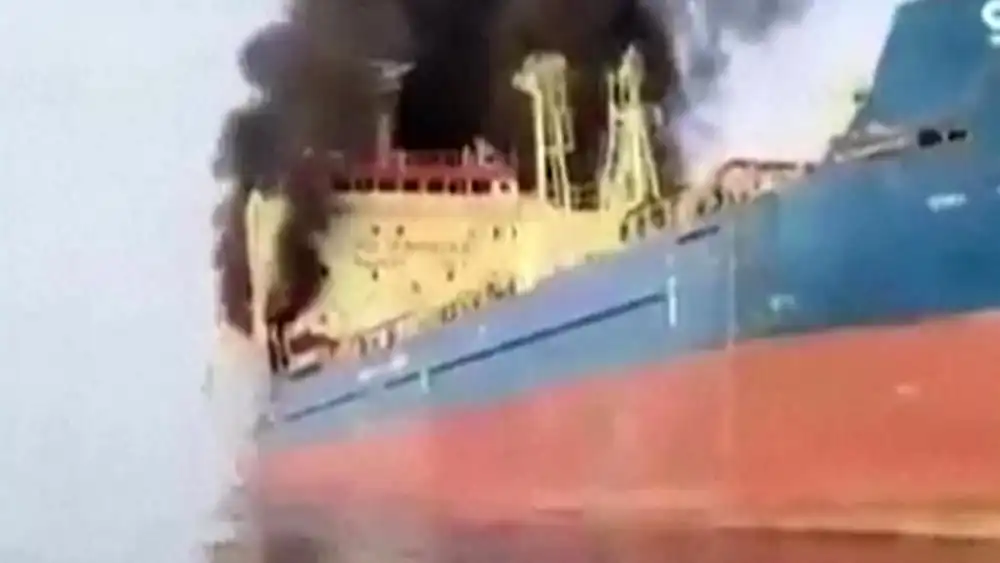
Furthermore, the role of the "shadow fleet"—thousands of aging tankers that operate outside of Western insurance and regulatory frameworks to move sanctioned oil—adds a layer of complexity to the situation. If the U.S. begins targeting the infrastructure that supports this fleet, or the vessels themselves, the environmental and safety risks in international waters will skyrocket. A single accident involving an uninsured, poorly maintained tanker in a contested zone could lead to an ecological disaster, further complicating the maritime security environment.
Looking ahead, the trajectory of oil prices will depend on the scale and frequency of the promised strikes. If the actions are perceived as surgical and limited, the market may eventually price in the risk and stabilize. However, if the conflict expands to include Iranian domestic infrastructure or involves direct attacks on oil refineries and export terminals, the global energy map will be redrawn. The 1970s oil shocks serve as a historical reminder of how regional conflicts in the Middle East can reshape global economics for a generation.
The broader impact on the energy transition should also not be overlooked. While high oil prices typically incentivize the move toward greener alternatives, they also increase the cost of the raw materials and transportation needed to build wind turbines, solar panels, and batteries. In the short term, a crisis in the Middle East often leads to a resurgence in coal and natural gas usage as countries scramble for any available energy source to keep the lights on.
As the situation develops, the international community remains on high alert. The combination of a hawkish U.S. foreign policy, a defiant Iranian leadership, and a fragile global economy creates a volatile "trilemma" for policymakers. For now, the only certainty in the energy markets is uncertainty. Investors are hedging their bets, bracing for a period where the price of a barrel of oil is determined more by military communiqués and satellite imagery than by traditional supply and demand fundamentals. The world is watching the Persian Gulf, knowing that the next move on this geopolitical chessboard could have consequences that resonate from the trading floors of New York to the gas stations of suburban Europe.