The global energy landscape has been thrust into a state of profound uncertainty following reports of a high-stakes military operation involving U.S. and Israeli forces that resulted in the death of Iran’s Supreme Leader, Ayatollah Ali Khamenei. In a rapid response aimed at preempting a catastrophic spike in crude prices and stabilizing a jittery global economy, the OPEC+ alliance has signaled an immediate pivot in its production strategy. The group, led by Saudi Arabia and Russia, is reportedly preparing to unwind a significant portion of its voluntary production cuts, injecting fresh supply into a market that is currently pricing in the highest geopolitical risk premium seen in decades.
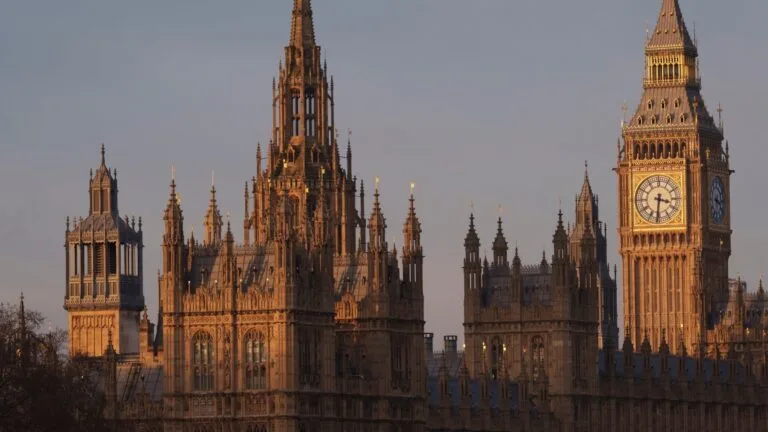
The sudden removal of the central figure in Iran’s theocratic government has triggered immediate volatility across financial hubs from London to New York. Brent crude, the international benchmark, saw an initial surge of over 7% in after-hours trading as news of the strikes broke, reflecting fears of a broader regional conflagration. The prospect of Iranian retaliation, particularly threats to the Strait of Hormuz—a narrow waterway through which approximately 20% of the world’s total oil consumption passes—has forced energy ministers within the OPEC+ coalition to reconsider their restrictive supply stance. By signaling a production increase, the alliance is attempting to act as a "central bank of oil," providing the necessary liquidity to prevent a price shock that could derail the fragile post-inflationary recovery in major economies.
Market analysts suggest that the decision to raise output is not merely a technical adjustment but a strategic maneuver to maintain market relevance. If prices were to spiral toward the $120-per-barrel mark, the resulting demand destruction and the acceleration of the global transition toward renewable energy could permanently damage the long-term interests of oil-exporting nations. Furthermore, the move reflects a pragmatic realization within Riyadh and Abu Dhabi that an uncontrolled price rally could alienate key diplomatic and economic partners in the West and Asia, particularly as central banks struggle to bring headline inflation back to 2% targets.
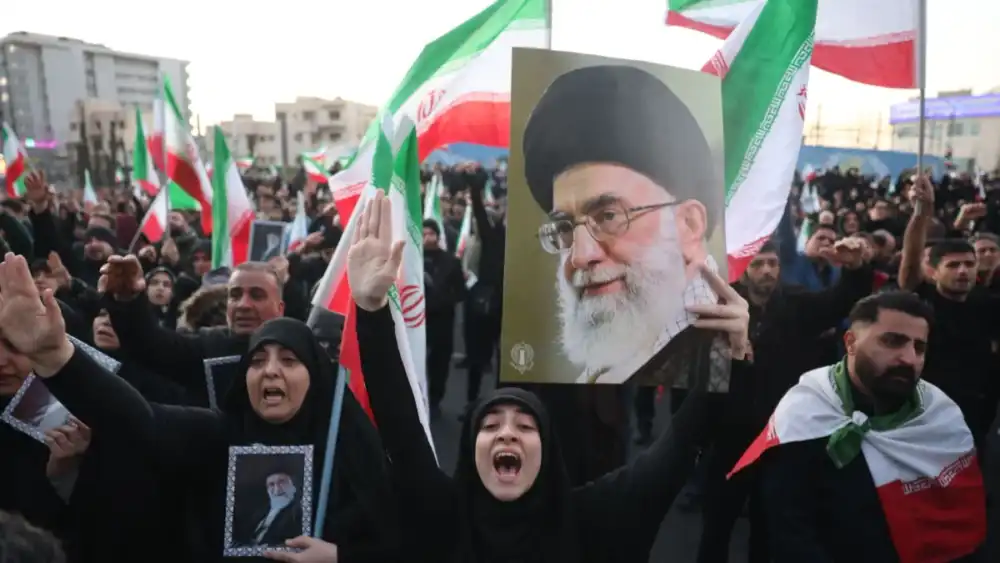
The geopolitical implications of the strikes cannot be overstated. For over four decades, Ayatollah Khamenei served as the ultimate arbiter of Iranian domestic and foreign policy, overseeing a network of regional proxies including Hezbollah in Lebanon, the Houthis in Yemen, and various militias in Iraq. His death creates a power vacuum within the Islamic Republic at a time when its internal stability is already being tested by economic sanctions and domestic dissent. For energy markets, the primary concern is whether a successor will double down on military escalation or if the regime will enter a period of paralysis. In either scenario, the risk of "accidental" disruptions to energy infrastructure in the Persian Gulf remains at an all-time high.
OPEC+’s current production policy had been defined by a series of voluntary cuts totaling roughly 2.2 million barrels per day, intended to support prices amid lackluster demand from China. However, the paradigm shifted overnight. Internal sources suggest that the alliance is now looking to bring back at least 500,000 to 1,000,000 barrels per day in the coming quarter. This move is facilitated by the significant spare capacity held primarily by Saudi Arabia and the United Arab Emirates, who together hold the keys to the world’s only meaningful "buffer" supply. This capacity is now being positioned as a global insurance policy against the potential loss of Iranian exports, which have recently averaged around 1.5 million barrels per day despite ongoing international sanctions.
Economists are closely monitoring the impact of this crisis on the "war premium" embedded in oil prices. Historically, geopolitical events in the Middle East have led to temporary price spikes that eventually normalize as supply routes remain open. However, the direct targeting of a sovereign leader represents a departure from the "shadow war" of previous years, suggesting a new and more volatile chapter in regional relations. If OPEC+ can successfully signal that it is both willing and able to fill any supply gap, the war premium may be capped at $10 to $15 per barrel, rather than the $30 to $50 premium witnessed during the 1973 oil embargo or the 1990 invasion of Kuwait.
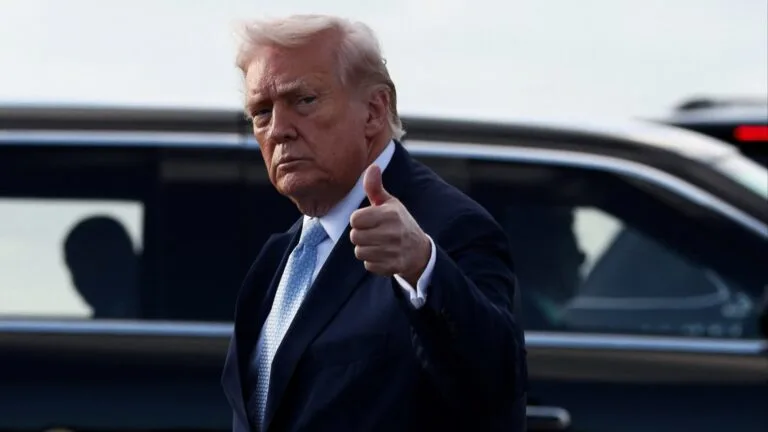
The reaction from Washington and Brussels has been one of guarded coordination. While the U.S. administration has not officially confirmed the specifics of the tactical operation, the economic priority remains clear: preventing an energy-led inflationary spiral. For the U.S. Federal Reserve and the European Central Bank, a sustained increase in energy costs would complicate the projected path of interest rate cuts. High oil prices act as a regressive tax on consumers, siphoning away discretionary income and increasing the cost of logistics and manufacturing. By encouraging OPEC+ to increase supply, Western leaders are hoping to decouple the geopolitical shock from the global economic engine.
Furthermore, the role of Russia within the OPEC+ framework adds a layer of complexity to the situation. Moscow, which relies heavily on oil revenue to fund its ongoing military efforts in Ukraine, has traditionally favored higher prices. However, Russia also values its strategic partnership with Iran. The decision to agree to a production increase suggests that even Moscow recognizes the danger of a total market meltdown. A chaotic price environment is often less profitable than a stable, high-volume environment, especially if a price surge triggers a global recession that ultimately crashes demand.
In the Asia-Pacific region, the world’s largest oil-importing bloc, the news has been met with significant concern. China, India, and Japan are particularly vulnerable to disruptions in the Persian Gulf. For China, which has acted as a primary buyer of Iranian "dark fleet" oil, the death of Khamenei and the subsequent OPEC+ reaction present a multifaceted challenge. Any disruption to the flow of discounted Iranian crude will force Beijing to compete for more expensive barrels on the open market, potentially straining its own industrial recovery. The OPEC+ decision to raise output is therefore seen as a vital lifeline for Asian economies, ensuring that the physical supply of crude remains adequate even if the geopolitical map is being redrawn.
The coming weeks will be a critical testing ground for the resilience of the global energy infrastructure. Traders will be watching satellite imagery of Iranian oil terminals at Kharg Island and monitoring shipping traffic through the Strait of Hormuz for any signs of interference. Simultaneously, the focus will remain on the implementation of the OPEC+ production hikes. There is often a lag between the announcement of a policy shift and the actual arrival of physical barrels at refineries. During this interim period, the market remains susceptible to "headline risk," where every statement from Tehran or Washington can cause multi-dollar swings in the price of crude.
Ultimately, the death of the Iranian Supreme Leader marks a "black swan" event that has forced a total recalibration of global energy strategy. The decision by OPEC+ to raise output represents a rare moment of alignment between the interests of major producers and global consumers. It is an acknowledgment that in an era of extreme geopolitical volatility, the stability of the energy market is the only thing preventing a regional conflict from turning into a global economic depression. As the world waits to see who will emerge to lead the Islamic Republic, the oil market will be leaning heavily on the spare capacity of the Gulf monarchies to navigate the turbulent waters ahead. The era of managed scarcity appears to have ended, replaced by a period of strategic abundance intended to weather the most significant Middle Eastern crisis of the twenty-first century.