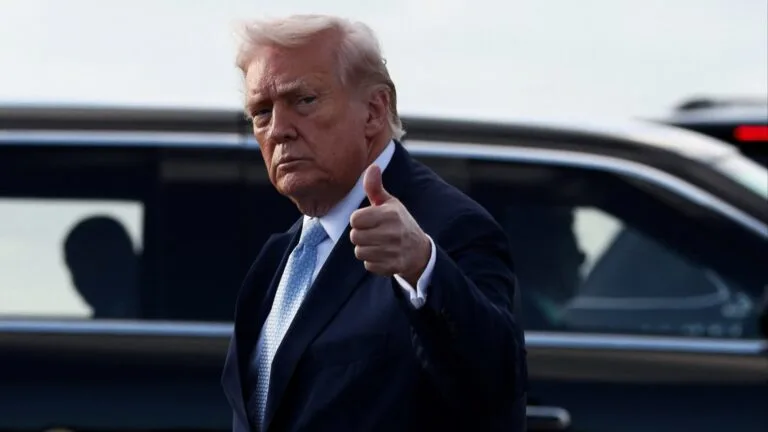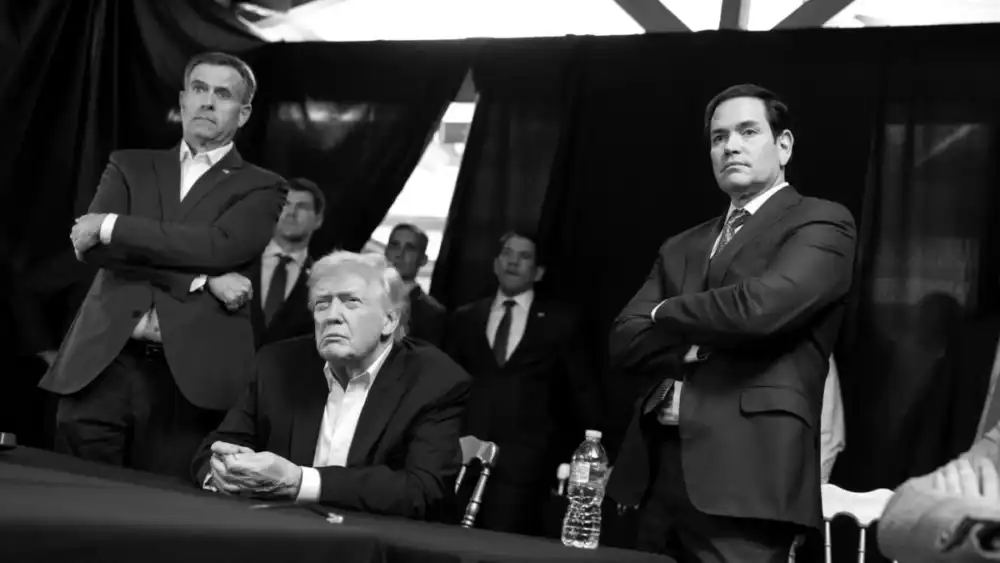
The architectural foundations of American foreign policy are currently undergoing a profound transformation, as the rhetoric of "America First" isolationism increasingly collides with a resurgent hawkishness toward the Islamic Republic of Iran. For years, the political brand of Donald Trump was synonymous with the termination of "forever wars" and a fundamental skepticism toward Middle Eastern entanglements. However, a significant pivot is now observable, moving away from the purely transactional non-interventionism of the past toward a strategy that many analysts characterize as a prelude to regime change. This shift carries immense implications for global energy markets, the stability of the Levant, and the delicate balance of power between the West and the burgeoning "Axis of Resistance."
The transition from a "no new wars" platform to a more aggressive posture is not merely a change in tone but a fundamental recalibration of geopolitical priorities. During his initial term, the "Maximum Pressure" campaign sought to cripple the Iranian economy through a series of escalating sanctions following the unilateral withdrawal from the Joint Comprehensive Plan of Action (JCPOA) in 2018. While that policy aimed to force Tehran back to the negotiating table for a "better deal," the current trajectory suggests a more terminal objective. The appointment of hardline advisors and the strengthening of alliances with regional adversaries of Iran, most notably Israel and certain Gulf monarchies, point toward a strategy that views the current Iranian clerical establishment as an existential threat that can no longer be contained through traditional diplomacy.
Central to this policy shift is the economic strangulation of the Iranian state. Iran’s economy has been in a state of precarious volatility for the better part of a decade, exacerbated by systemic corruption, mismanagement, and the weight of international sanctions. According to recent World Bank data, Iran has faced persistent double-digit inflation, often hovering between 40% and 50%, which has decimated the purchasing power of the middle class. By targeting the nation’s primary revenue stream—petroleum exports—Washington aims to hollow out the fiscal capacity of the Islamic Revolutionary Guard Corps (IRGC). Despite these pressures, Iran has managed to maintain a level of resilience through the use of a "shadow fleet" of tankers and clandestine financial networks, primarily facilitating sales to independent refineries in China.
The energy sector remains the primary battlefield of this economic war. Iran currently produces approximately 3.2 million barrels of crude oil per day, a significant portion of which is exported despite U.S. prohibitions. A move toward a more direct regime-change policy would likely involve "secondary sanctions," which penalize third-party countries and corporations for doing business with Tehran. If successfully implemented, the removal of Iranian barrels from the global market could trigger a "geopolitical risk premium" in oil pricing. Market analysts at major investment banks suggest that a total cessation of Iranian exports, coupled with potential retaliatory disruptions in the Strait of Hormuz—through which 20% of the world’s liquid petroleum flows—could push Brent crude prices well above the $100-per-barrel threshold. This scenario presents a complex dilemma for U.S. policymakers: the desire to bankrupt the Iranian regime versus the domestic political necessity of maintaining low gasoline prices.
Furthermore, the shift in strategy is deeply intertwined with the evolving security architecture of the Middle East, specifically the Abraham Accords. The normalization of relations between Israel and several Arab nations has created a nascent anti-Iran bloc that views Tehran’s regional proxies—Hezbollah in Lebanon, Hamas in Gaza, and the Houthis in Yemen—as shared security threats. From a strategic perspective, a U.S. policy that favors regime change aligns with the long-term goals of these regional partners. However, the risk of regional contagion is high. The "Axis of Resistance" has demonstrated a capacity for asymmetric warfare that can disrupt global supply chains, as evidenced by Houthi attacks on commercial shipping in the Red Sea. A direct attempt to destabilize the central government in Tehran could trigger a multi-front conflict that would draw in U.S. assets across the region, ironically leading to the very "new war" that the "America First" doctrine sought to avoid.
Expert insights suggest that the pivot toward a more aggressive stance is also a response to the deepening military cooperation between Iran and Russia. In the wake of the conflict in Ukraine, Tehran has emerged as a critical supplier of unmanned aerial vehicles (UAVs) and ballistic technology to Moscow. This burgeoning "defense entente" has transformed Iran from a regional nuisance into a global strategic adversary in the eyes of Washington’s defense establishment. By providing a lifeline to the Kremlin, Iran has effectively integrated itself into the broader competition between Western liberal democracies and an emerging bloc of autocratic powers. This globalization of the Iranian threat has marginalized the voices of "realist" diplomats who once advocated for a containment-based approach, giving way to those who argue that the regime’s collapse is the only path to long-term stability.
Domestically, the Iranian regime faces its most significant internal challenges since the 1979 revolution. The "Woman, Life, Freedom" movement and subsequent waves of civil unrest have revealed a profound disconnect between the aging clerical leadership and a young, tech-savvy population. U.S. strategists appear to be banking on the idea that external economic pressure will act as a catalyst for these internal fissures. The logic of the "new" Trump-aligned policy is that by maximizing the cost of the regime’s regional adventurism and nuclear ambitions, the state will eventually reach a breaking point where the cost of maintaining power exceeds the benefits. However, history suggests that "maximum pressure" often leads to a "rally round the flag" effect, where the most hardline elements of the security apparatus consolidate their control over the economy and the political system.
The role of China cannot be overstated in this economic and diplomatic calculus. Beijing has positioned itself as Iran’s primary economic patron, signing a 25-year strategic cooperation agreement that promises hundreds of billions of dollars in investment in exchange for a steady supply of discounted oil. For the U.S. to successfully pursue a regime-change agenda, it would need to confront China’s role as a financial guarantor for Tehran. This adds another layer of complexity to the U.S.-China trade relationship, as aggressive enforcement of Iranian sanctions would inevitably involve penalizing Chinese state-owned enterprises. The result is a high-stakes game of chicken where the global economy serves as the backdrop.
As the political landscape in Washington continues to shift, the debate over Iran policy has moved beyond the binary of "deal or no deal." The new consensus among many influential policymakers is that the Islamic Republic is an unreformable entity. This marks a departure from the Obama-era philosophy that economic integration could lead to behavioral change. Instead, the current trajectory favors a return to the Cold War-style strategy of "rollback." While this avoids the immediate deployment of large-scale ground forces, it utilizes every other instrument of national power—cyber warfare, clandestine operations, and total economic isolation—to achieve its ends.
In conclusion, the evolution of the U.S. stance toward Iran represents a significant ideological migration. The promise of "no new wars" is being reinterpreted not as a commitment to passivity, but as a mandate to win the conflict through means other than traditional kinetic warfare. However, the boundary between economic strangulation and armed conflict is notoriously porous. As the U.S. doubles down on a strategy aimed at the dissolution of the current Iranian political order, the global community must brace for a period of intense volatility. The economic impact of this shift will be felt in every corner of the globe, from the gas pumps of the American Midwest to the boardroom of every multinational corporation reliant on the stability of global trade routes. The transition from containment to confrontation is no longer a theoretical possibility; it is becoming the defining feature of American foreign policy in the 21st century.