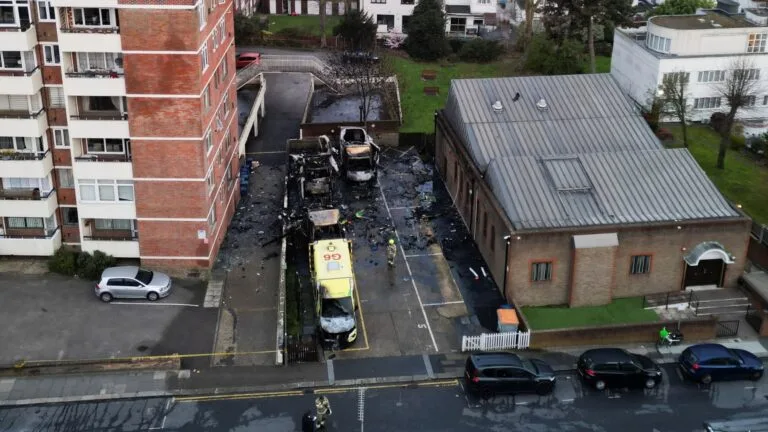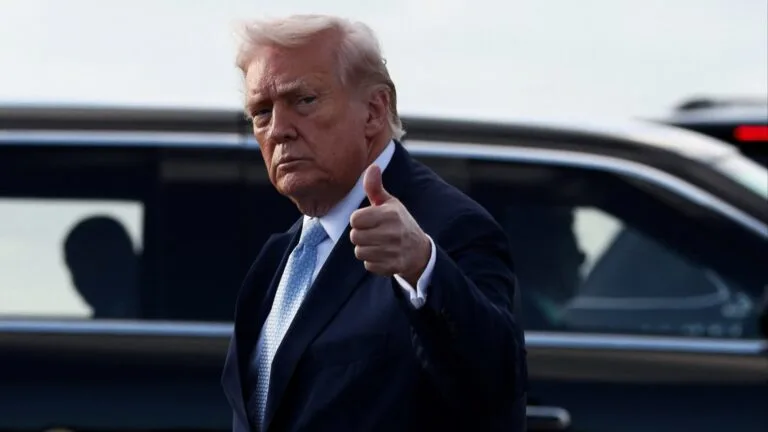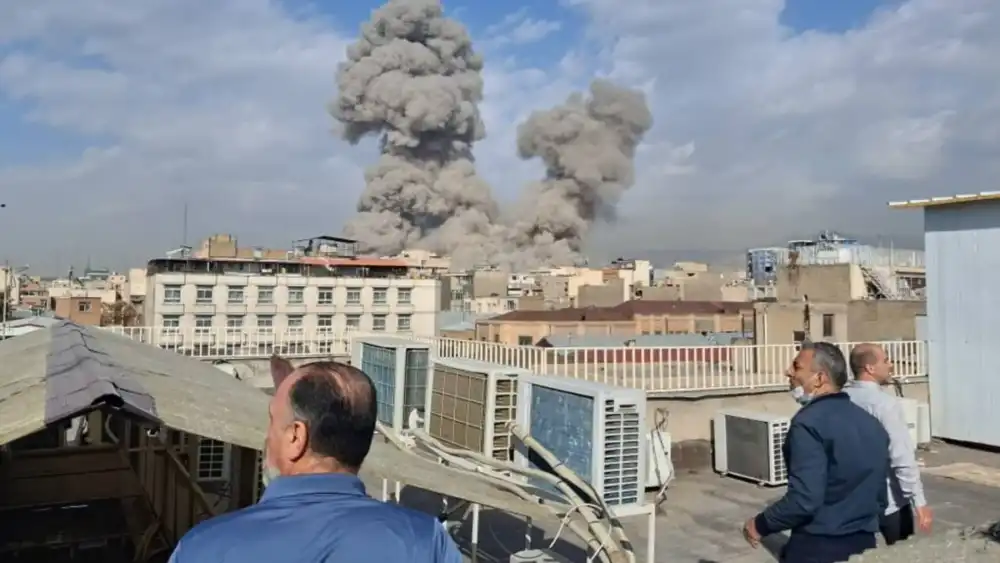
The geopolitical landscape of the Middle East underwent a seismic shift this week as coordinated military actions by the United States and Israel targeted key Iranian installations, signaling a definitive end to the period of "shadow warfare" that has defined the region for years. The operation, described by former President Donald Trump as a "massive" and necessary intervention, has sent shockwaves through global capitals and financial hubs alike. While the full extent of the damage remains under assessment, the immediate consequences are being felt across the energy sector, international shipping lanes, and the delicate architecture of global diplomacy. This escalation represents a significant departure from previous containment strategies, moving toward a policy of direct kinetic engagement intended to degrade Tehran’s military capabilities and its regional influence.
Market reactions were instantaneous as news of the strikes broke during overnight trading. Brent crude futures surged by over 4%, briefly touching the $90-per-barrel mark as traders factored in a heightened risk premium. The primary concern for energy analysts is not merely the potential loss of Iranian production—which currently stands at approximately 3.2 million barrels per day—but the threat to the Strait of Hormuz. This narrow waterway is the world’s most important oil transit chokepoint, with roughly 20% of the global petroleum liquid consumption passing through it daily. Any prolonged disruption or Iranian retaliatory mining of the strait could propel oil prices into triple digits, potentially reigniting inflationary pressures that central banks across the West have only recently begun to tame.
In Washington and Jerusalem, the rhetoric surrounding the operation has been one of decisive deterrence. Proponents of the strikes argue that Iran’s continued advancement of its nuclear program, coupled with its support for proxy groups across the Levant and the Arabian Peninsula, necessitated a robust physical response. The involvement of U.S. assets in the operation underscores a hardening of the American stance, moving beyond the provision of intelligence and hardware to active participation in combat missions. For Donald Trump, the operation serves as a validation of his long-standing "maximum pressure" campaign, which he asserts is the only language the leadership in Tehran respects. Critics, however, warn that such overt aggression could trap the United States in another protracted regional conflict, diverting resources away from the Indo-Pacific theater and the ongoing war in Ukraine.
The economic implications extend far beyond the oil pits of London and New York. Global supply chains, already strained by years of pandemic-related disruptions and the redirection of trade away from the Red Sea due to Houthi insurgencies, now face a new layer of complexity. Maritime insurance premiums for vessels operating in the Persian Gulf have reportedly tripled in the wake of the strikes. For the shipping industry, this translates into higher operational costs that will inevitably be passed down to consumers. Major logistical hubs in Dubai and Doha are on high alert, as any expansion of the conflict could threaten the viability of the region as a global transit and tourism nexus.
From a technical military perspective, the strikes appear to have focused on a combination of drone manufacturing facilities, ballistic missile silos, and command-and-control centers utilized by the Islamic Revolutionary Guard Corps (IRGC). Intelligence sources suggest that the operation utilized advanced stealth technology and cyber-warfare components to neutralize Iranian air defenses before the kinetic phase began. This level of sophistication indicates a multi-month planning cycle, suggesting that the decision to strike was not a knee-jerk reaction to a single provocation but a calculated strategic pivot. The effectiveness of these strikes in degrading Iran’s "forward defense" strategy—which relies on its ability to strike Israel and U.S. bases via proxies—will be the key metric of success in the coming weeks.
International reaction has been sharply divided, reflecting the fragmented state of global geopolitics. European allies have expressed "grave concern" regarding the potential for regional conflagration, urging all parties to exercise maximum restraint. While many European capitals share the U.S. and Israeli concerns regarding Iranian regional hegemony, there is a palpable fear that a full-scale war would trigger a massive new wave of migration and energy shortages that could destabilize the European Union’s fragile economic recovery. Conversely, regional adversaries of Iran, including several Gulf monarchies, have remained conspicuously silent, though analysts suggest that behind closed doors, there is a sense of relief that Tehran’s wings are being clipped, balanced against the fear of being caught in the crossfire of Iranian retaliation.
The role of China and Russia in this escalating crisis cannot be overlooked. Beijing, which has significantly increased its economic ties with Tehran through long-term energy contracts, views the instability as a threat to its energy security and its "Belt and Road" ambitions in the Middle East. Russia, meanwhile, has deepened its military cooperation with Iran since the invasion of Ukraine, relying on Iranian-made Shahed drones to bolster its own war efforts. A weakened Iran would deprive Moscow of a critical military partner and could force a recalibration of Russian strategy in the Middle East. The potential for a "Great Power" friction point is high, as both Moscow and Beijing may feel compelled to provide Tehran with advanced defensive systems or economic lifelines to counter Western pressure.
Domestic politics in both the United States and Israel are also driving the tempo of these events. In Israel, the government faces intense pressure to ensure the long-term security of its borders following the traumatic events of the past year. A direct strike on Iranian soil is seen by many in the Israeli security establishment as the only way to restore a "deterrence equilibrium." In the U.S., the proximity of the next election cycle ensures that foreign policy remains a central battleground. Trump’s vocal support for the strikes serves to paint him as the candidate of strength, contrasting his approach with what he characterizes as the "weakness and vacillation" of the current administration. This political dimension adds a layer of unpredictability to the situation, as tactical decisions may be influenced by the need to project strength to domestic audiences.
Financial analysts are closely monitoring the "safe-haven" trade. Gold prices have climbed to near-record highs as investors seek refuge from the volatility, while the U.S. dollar has strengthened against a basket of major currencies. However, if the conflict leads to a sustained increase in energy costs, the "petrodollar" effect could be offset by a slowdown in global manufacturing and consumer spending. Emerging markets, particularly those that are net energy importers, are at the highest risk of currency devaluation and debt distress. Countries like India and Turkey, which maintain complex relationships with both the West and Iran, find themselves in an especially difficult diplomatic and economic position.
As the smoke clears from the initial wave of strikes, the world waits for Tehran’s response. The Iranian leadership faces a grueling dilemma: a weak response could invite further strikes and embolden domestic dissent, while a massive retaliation risks a full-scale war that the regime might not survive. The possibility of asymmetric warfare—including cyberattacks on Western financial institutions or infrastructure, and the activation of sleeper cells abroad—remains a high-probability threat. Security agencies across the globe have increased their surveillance levels, bracing for a "tit-for-tat" cycle that could last for months.
In conclusion, the joint U.S.-Israeli strikes on Iran mark the beginning of a volatile new chapter in 21st-century geopolitics. The "massive" operation hailed by Trump is not merely a military milestone but a profound economic event that threatens to redraw the map of global trade and energy security. For businesses and investors, the "geopolitical discount" that characterized the markets for much of the last decade has been replaced by a "conflict premium." As the international community grapples with the fallout, the primary challenge will be to prevent this localized escalation from spiraling into a global catastrophe. The coming days will test the resilience of global markets and the efficacy of international diplomacy in a world that appears increasingly governed by force rather than consensus.