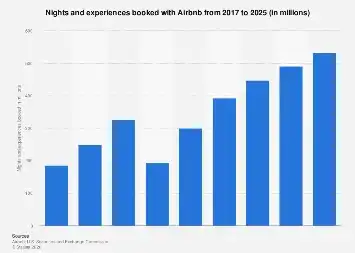
The short-term rental giant Airbnb is poised for significant growth in the coming years, with projections indicating a substantial increase in both nights booked and experiences offered worldwide by 2025. This upward trajectory underscores the enduring appeal of alternative accommodations and unique travel activities in the post-pandemic era, signaling a robust recovery and expansion for the company within the global travel and tourism sector. While specific, granular data often requires premium access, industry trends and market analysis paint a clear picture of Airbnb’s evolving dominance.
The digital nomad phenomenon, accelerated by remote work policies, continues to fuel demand for longer stays and more flexible accommodation options. Travelers are increasingly seeking authentic local experiences, moving beyond traditional hotel stays to embrace a more immersive approach to tourism. Airbnb, with its diverse portfolio of private homes, apartments, and unique stays, is exceptionally well-positioned to capitalize on these evolving consumer preferences. The platform’s vast inventory, ranging from charming city apartments to secluded rural retreats, caters to a broad spectrum of traveler needs and budgets, further solidifying its market leadership.
Looking ahead to 2025, analysts anticipate a continued expansion of Airbnb’s global footprint. This growth will likely be driven by several key factors. Firstly, the ongoing normalization of international travel, coupled with pent-up demand, will see a resurgence in bookings, particularly for leisure travel. Secondly, Airbnb’s strategic focus on expanding its "Experiences" segment—offering activities and tours led by locals—is expected to drive higher engagement and revenue. These experiences provide travelers with curated opportunities to explore destinations through a local lens, fostering a deeper connection with the culture and community. This diversification beyond just accommodation is a critical element of Airbnb’s long-term growth strategy, differentiating it from traditional hospitality providers.
The company’s proactive approach to technology and user experience also plays a crucial role. Continuous investment in its platform, including user-friendly interfaces, enhanced search functionalities, and robust safety features, ensures a seamless booking process for both guests and hosts. Furthermore, Airbnb’s commitment to building trust within its community, through verified reviews and dispute resolution mechanisms, fosters a sense of security that is paramount in the travel industry. This focus on reliability and transparency is essential for maintaining customer loyalty and attracting new users.
From an economic perspective, Airbnb’s continued expansion has significant implications. For local economies, the platform provides a vital source of income for homeowners and individuals who can monetize underutilized properties or offer unique skills and services. This decentralized economic model can stimulate local businesses, from restaurants and shops to local artisans and tour operators, by bringing a consistent flow of tourists directly into communities. The flexibility of the Airbnb model allows for a more distributed economic benefit compared to large hotel chains, potentially reaching areas that might otherwise be overlooked by mass tourism.
Globally, the short-term rental market is projected to witness substantial growth, with Airbnb holding a dominant share. Market research firms consistently highlight the increasing adoption of online travel agencies (OTAs) and alternative accommodation platforms as consumers become more comfortable with digital bookings. While competition exists, Airbnb’s brand recognition, extensive network, and diversified offerings provide a significant competitive advantage. The company’s ability to adapt to changing regulations in various cities and countries will also be a key determinant of its success. Navigating diverse legal frameworks and local ordinances is a complex but necessary aspect of its global operations.
Statistics from market analysis firms often point to a strong recovery in the travel sector post-2020, with short-term rentals outperforming some traditional segments due to their inherent flexibility and perceived value. The projected increase in nights booked by 2025 suggests that Airbnb is not only recovering from any pandemic-related downturns but is also poised to capture a larger share of the evolving travel market. This includes a growing segment of travelers who prioritize unique, personalized experiences over standardized hotel services.
The "Experiences" side of Airbnb’s business, though perhaps smaller in revenue contribution than accommodations, is a strategic growth engine. By offering a wider array of activities, from culinary tours and art workshops to adventure excursions and historical walks, Airbnb is deepening its value proposition. This allows travelers to create more comprehensive and memorable trips, thereby increasing their overall spending and engagement with the platform. The success of these experiences is often tied to the authenticity and local knowledge of the hosts, fostering a symbiotic relationship between the platform and its community of providers.
Looking at the broader economic landscape, the continued reliance on digital platforms for booking travel and leisure activities is a defining characteristic of the modern economy. Airbnb is a prime example of how technology can disrupt traditional industries and create new economic opportunities. Its ability to connect global travelers with local hosts and service providers efficiently and at scale is a testament to the power of platform economics. The company’s ongoing innovation and adaptation to market dynamics will be critical in sustaining its growth and reinforcing its position as a leader in the global travel and tourism industry through 2025 and beyond. The increasing sophistication of its data analytics and personalized recommendations will further enhance user engagement and booking conversion rates, contributing to the projected surge in both nights and experiences booked.