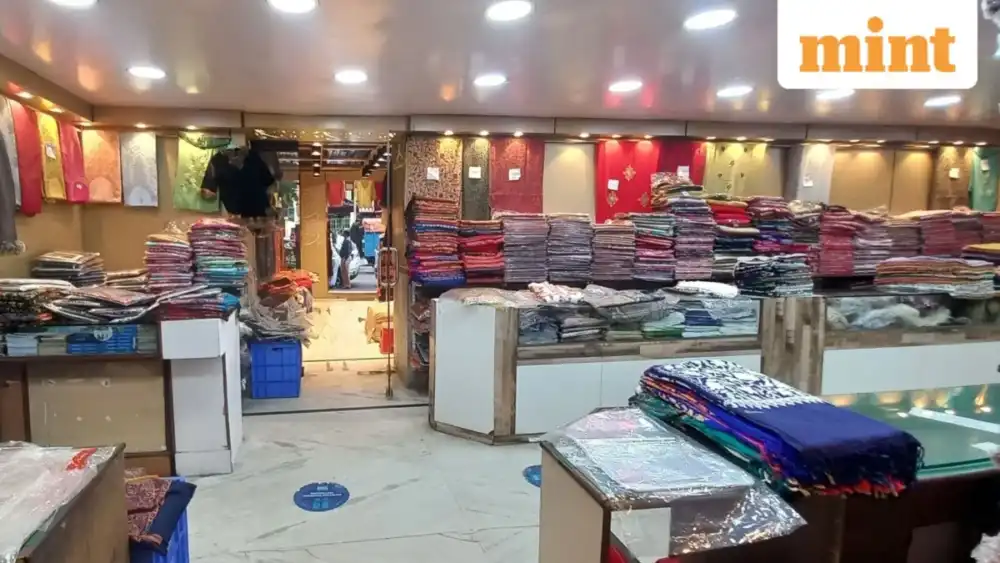
The apparel industry, particularly its fast fashion segment, is experiencing a robust revival in India, drawing significant investor interest and reshaping consumer purchasing paradigms. This resurgence is not merely a cyclical uptick but rather a structural transformation, underpinned by technological advancements, evolving supply chains, and a burgeoning digitally native consumer base. While the global fast fashion market is projected to reach approximately $150 billion by 2030, with a compound annual growth rate (CAGR) of over 6%, India is emerging as a critical growth engine, poised to command more than a quarter of the nation’s retail apparel market by fiscal year 2031, according to market intelligence firm Redseer. This trajectory positions India as a pivotal battleground for both domestic and international brands vying for a share of its vast, diverse, and increasingly affluent consumer landscape.
Venture capital investors are demonstrating renewed confidence in this sector, channeling substantial funds into a new wave of apparel brands. Data from Venture Intelligence reveals a marked increase in deal activity, with 28 fashion and apparel deals closing at an aggregate of $213 million in 2025, a significant jump from 21 deals totaling $172 million in 2024. This momentum has carried into the current year, with over four emerging apparel brands—including Armaya, CAVA Athleisure, and Krvvy—collectively securing approximately $29 million in funding from prominent investors such as Z47, Accel India, Verlinvest, Sharp Ventures, Spring Marketing Capital, and All In Capital. Dipanjan Basu, Partner and CFO at Fireside Ventures, an investor in new-age apparel brands like NewMe and Terractive, notes a distinct uptick in interest, attributing it to rising GDP per capita and the corresponding increase in discretionary spending on categories beyond essential food and housing, with fashion and beauty being prime beneficiaries. Legal experts like Pritha Jha, co-founder of Pioneer Legal, corroborate this trend, observing that apparel transactions constituted nearly 20-25% of all consumer-related transactions in the past year, driven by the proliferation of innovative new-age brands.
A key differentiator in this current boom compared to previous cycles is the profound integration of technology across the value chain. Earlier attempts at scaling apparel brands often faltered due to reliance on traditional, mall-centric distribution models, rigid seasonal collections, and the inherent risks associated with substantial inventory bets. As Vineet Satija, Investment Banking Head at PwC India, points out, historical challenges centered on inefficient inventory management, lengthy working capital cycles, and extended lead times from manufacturing to retail. However, contemporary brands are leveraging technology to compress these timelines, enabling faster turnaround from production to market, whether through e-commerce or optimized offline channels. This agility significantly mitigates inventory risk and improves capital efficiency, addressing fundamental pain points that plagued earlier ventures.

The rise of quick commerce platforms is further accelerating the purchase cycle, particularly among younger, digitally-savvy consumers whose brand discovery is increasingly mediated by social media. Startups like Zilo and established quick commerce players such as Zepto are actively expanding their fashion and lifestyle offerings, tapping into a demand for instant gratification and seamless purchasing experiences. This shift transforms apparel from a "occasion-based" or "seasonal" purchase into an "everyday consumption" category, where rapid access to new styles and trends is paramount. Brands are increasingly employing data analytics and artificial intelligence to predict trends, optimize demand forecasting, and streamline production, allowing them to introduce new collections in "micro-seasons" rather than just biannual cycles, thereby keeping pace with fleeting consumer preferences.
Within this dynamic landscape, specific apparel categories are garnering heightened investor attention. Men’s fashion, encompassing athleisure, ethnic wear, casual wear, and fast fashion, is witnessing significant growth. The market has observed the impressive scaling of brands like Snitch, which reportedly grew its revenue to nearly ₹500 crore in FY25 and aims to double it to ₹1,000 crore in FY26, propelled by rapid offline expansion to 100 stores. This growth reflects an evolving male consumer base that is more fashion-conscious and willing to invest in diverse wardrobes. Athleisure, meanwhile, has transcended its origins as gym wear to become a pervasive lifestyle category, embodying comfort, versatility, and a growing emphasis on wellness. Brands like Blissclub and Agilitas have successfully raised capital in this segment, while even celebrities, such as Alia Bhatt, have publicly expressed intentions to invest in athleisure ventures, underscoring its broad appeal.
Despite the prevailing optimism, the path to durable success in the fast fashion segment is fraught with challenges. The relatively low barriers to entry mean that new brands can emerge rapidly, leading to market saturation and making true differentiation increasingly difficult. As Basu cautions, launching another brand in an already crowded space without an apparent market gap makes it arduous to stand out. Execution, particularly in the intricate domains of inventory planning and supply chain management, remains the ultimate arbiter of success. Brands that can demonstrate unique sourcing capabilities, agile manufacturing processes, and superior logistical efficiencies are more likely to scale sustainably.
A critical, often overlooked, challenge for the fast fashion industry globally and in India is sustainability. The rapid production cycles and emphasis on disposability inherent in fast fashion contribute significantly to environmental degradation, including textile waste, excessive water consumption, and a substantial carbon footprint. Ethical labor practices in manufacturing also remain a constant concern. While some brands are beginning to explore more sustainable materials, circular economy models, and greater supply chain transparency, the fundamental conflict between "fast" and "sustainable" often persists. Consumers, particularly younger demographics, are becoming increasingly aware of these issues, creating a complex dynamic where brands must balance affordability and trendiness with a credible commitment to responsible production.

Furthermore, achieving profitability remains a significant hurdle for many digital-first apparel brands. High customer acquisition costs through online channels, coupled with potentially high return rates and complex logistics, can erode margins. This underscores the necessity of a robust omnichannel strategy, where a strong offline presence—be it through flagship stores, pop-up events, or strategic partnerships with multi-brand retailers—is often crucial for long-term financial viability. An offline footprint not only enhances brand visibility and consumer trust but also provides an alternative sales channel with potentially lower customer acquisition costs.
The future landscape of India’s fast fashion sector could witness consolidation as some scaled brands mature. As Pritha Jha suggests, some companies are now large enough to consider an Initial Public Offering (IPO) within the next one to two years, rather than pursuing further rounds of private investment. However, investors are wary of brands that become "stuck in the middle"—too large for easy acquisition but not substantial or profitable enough for a public listing. This "no man’s land" scenario poses a significant risk, as the apparel sector has historically seen fewer large-scale mergers and acquisitions compared to other consumer categories like beauty and personal care (e.g., Minimalist’s acquisition by Hindustan Unilever). The ability of Indian apparel brands to build strong, defensible moats through unique branding, operational excellence, and a clear path to profitability will determine whether this fast fashion wave translates into enduring enterprises or merely a fleeting trend in a dynamic market.