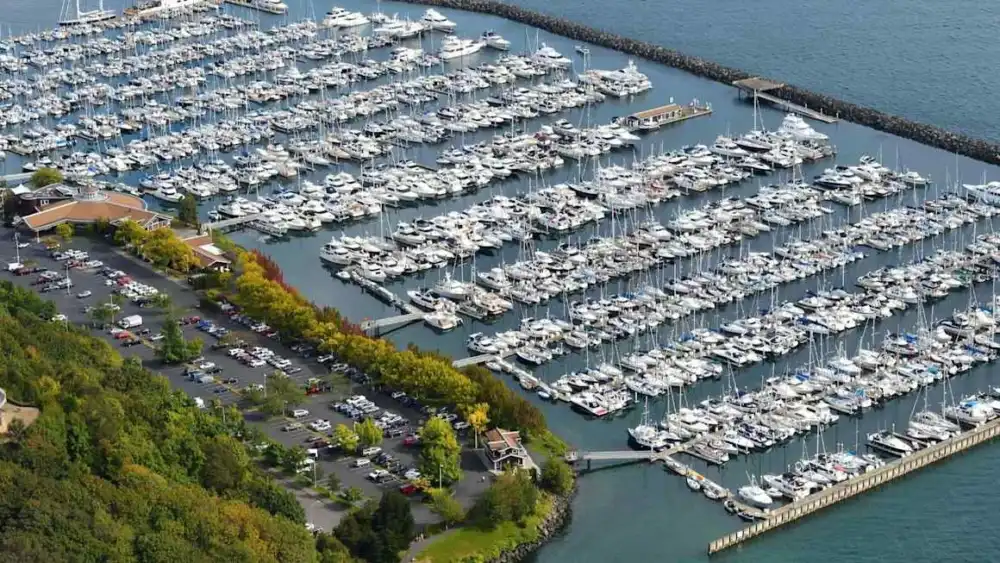
The global infrastructure investment landscape is witnessing a significant shift toward lifestyle-oriented real assets as Stonepeak, a leading alternative investment firm, spearheads a transaction valued at more than $700 million to acquire a premium portfolio of marinas. This move underscores a growing institutional appetite for the "blue economy," where the scarcity of waterfront real estate meets a sustained surge in the luxury maritime sector. By deploying significant capital into the specialized niche of yachting infrastructure, Stonepeak is not merely buying docking space; it is securing a foothold in a high-barrier-to-entry market characterized by inelastic demand and a chronic undersupply of berths for the world’s growing fleet of superyachts.
The genesis of this deal lies in the unprecedented transformation of the yachting industry over the past four years. While many sectors of the global economy faltered during the pandemic, the leisure marine industry experienced a "gold rush" as high-net-worth individuals sought isolation, security, and luxury on the open seas. This shift in consumer behavior transformed yachts from occasional status symbols into primary residences and mobile offices. Consequently, the demand for high-quality mooring, maintenance, and concierge services has outpaced the development of new facilities, creating a lucrative environment for institutional investors who prioritize long-term, inflation-protected cash flows.
Infrastructure firms like Stonepeak, which traditionally focused on "hard" assets such as midstream energy, data centers, and transportation networks, are increasingly viewing marinas as essential infrastructure. Much like a toll road or a bridge, a marina provides a critical service with few alternatives for the end-user. For a yacht owner, a berth in a prime location is not an optional luxury but a logistical necessity. This dynamic grants marina operators significant pricing power, particularly as the average size of new vessels continues to increase, requiring deeper basins and more sophisticated electrical and refueling infrastructure that many older, family-owned facilities cannot provide.
The economic fundamentals of the marina sector are bolstered by a unique "moat" created by environmental regulations and geographical limitations. In most developed economies, the permitting process for new coastal developments is notoriously rigorous, often taking a decade or more to navigate environmental impact assessments and local zoning hurdles. This regulatory environment effectively caps the supply of new berths, ensuring that existing prime locations appreciate in value. For a firm like Stonepeak, acquiring an established portfolio represents a strategic shortcut to owning irreplaceable assets that would be nearly impossible to replicate from scratch in the current regulatory climate.
Statistical data from the maritime sector reinforces the logic behind this $700 million-plus commitment. The global superyacht fleet—defined as vessels over 24 meters in length—has expanded significantly, with brokerage sales hitting record highs in 2021 and 2022. Even as interest rates rose and global economic growth moderated, the order books for the world’s leading shipyards in Italy, the Netherlands, and Germany remain filled years into the future. This backlog ensures a steady stream of new "customers" for marinas, as every new vessel launched requires a home port and a network of transit destinations.
Furthermore, the "marina of the future" is evolving into a comprehensive lifestyle hub, moving beyond simple dockage to include high-end retail, luxury hospitality, and specialized technical services. This diversification of revenue streams is a key attraction for private equity and infrastructure funds. Modern marinas often function as the centerpiece of wider coastal redevelopment projects, driving up the value of surrounding real estate and creating a synergistic ecosystem of luxury spending. By professionalizing the management of these assets—historically a fragmented industry dominated by independent owners—Stonepeak can implement operational efficiencies, institutionalize leasing structures, and leverage economies of scale in procurement and insurance.
The geographical focus of such deals often centers on the "Golden Triangle" of yachting, encompassing the Mediterranean, the Caribbean, and the Eastern Seaboard of the United States. However, the search for yield is pushing investors toward emerging hubs in Southeast Asia and the Middle East, where governments are investing billions in maritime tourism to diversify their economies away from fossil fuels. Stonepeak’s entry into this space suggests a belief that the premium marina sector is now mature enough for large-scale institutional consolidation, mirroring the trend seen in the recreational vehicle (RV) park and manufactured housing sectors over the last decade.
Economic impact analysis reveals that the benefits of such investments extend far beyond the marina walls. A single 55-meter superyacht can contribute upwards of $2 million to $3 million annually to the local economy through fuel purchases, provisioning, maintenance, and crew spending. By upgrading marina infrastructure to accommodate larger vessels, investors like Stonepeak are essentially increasing the "economic throughput" of coastal regions. This makes marina acquisitions not only a play on luxury spending but also a bet on the continued growth of high-end international tourism and the services that support it.
However, the sector is not without its challenges. Institutional investors must navigate the complexities of climate change and rising sea levels, which pose a direct physical risk to waterfront assets. The "greening" of the maritime industry is also a critical factor; as yacht owners move toward hybrid and electric propulsion, marinas must invest heavily in high-capacity charging stations and sustainable waste management systems. Stonepeak’s expertise in energy and traditional infrastructure likely positions them well to manage these technical transitions, turning environmental challenges into a competitive advantage by offering the most advanced, ESG-compliant facilities in the market.
The broader context of this deal is the ongoing "privatization of everything" within the luxury sphere. As wealth becomes more concentrated globally, the assets that cater to the ultra-wealthy are being reclassified as resilient infrastructure. In a volatile market, the spending power of the top 0.1% remains remarkably stable, providing a hedge against broader retail or commercial real estate downturns. This "plutonomy" effect ensures that even during periods of high inflation, the demand for exclusive berths in Saint-Tropez, Palm Beach, or Portofino remains robust.
Comparing the marina sector to other asset classes, it offers a compelling risk-reward profile. Unlike office buildings, which face structural headwinds from remote work, or traditional retail, which contends with e-commerce, marinas offer a physical experience and a logistical requirement that cannot be digitized. The "sticky" nature of the customer base—where boat owners often keep their vessels in the same location for years—provides a level of occupancy stability that is rare in the hospitality or multi-family residential sectors.
As Stonepeak integrates this new portfolio, the market will be watching closely to see if this $700 million deal triggers a wave of similar institutional acquisitions. There is still significant fragmentation in the market, with thousands of high-potential marinas across the globe still under private or municipal ownership. The success of this venture could signal the beginning of a new era of "marina conglomerates," where global brands offer a seamless, standardized level of service across a network of international locations, much like luxury hotel chains.
Ultimately, Stonepeak’s massive investment is a testament to the enduring appeal of the maritime lifestyle and the sophisticated financial engineering now being applied to it. By recognizing that the "yacht boom" is more than a fleeting post-pandemic trend, the firm is positioning itself at the intersection of luxury real estate and critical transportation infrastructure. In the high-stakes game of global asset management, Stonepeak has decided that the most stable ground might actually be found on the water, betting that as long as the world’s elite continue to sail, the value of the places they park will only continue to rise. This transaction marks a definitive moment in the institutionalization of the marina industry, proving that in the world of high-finance, the horizon for infrastructure is expanding well beyond the coastline.