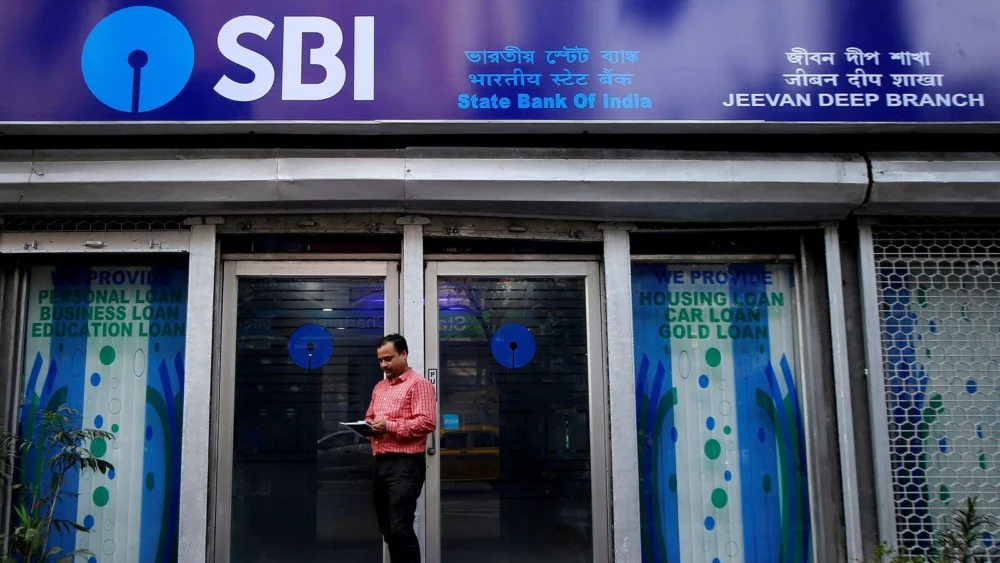
On February 18, financial institutions across the Indian state of Sikkim observed a closure in deference to Losar, the revered Tibetan New Year, marking a localised pause in traditional banking operations. This instance, where major lenders such as the State Bank of India, HDFC Bank, Punjab National Bank, ICICI Bank, and Axis Bank shuttered their branches in one specific region while remaining fully operational throughout the rest of the country, vividly illustrates the unique, culturally-interwoven nature of India’s banking calendar. Far from a mere inconvenience, these regionally specific holidays reflect a deep respect for India’s diverse heritage, yet their economic implications are increasingly mediated by the nation’s rapidly advancing digital financial infrastructure.
The architecture governing bank holidays in India is meticulously crafted and overseen by the Reserve Bank of India (RBI), the nation’s central bank. Each year, the RBI publishes a comprehensive calendar that delineates both national and state-specific holidays, providing essential foresight for businesses and individuals. These holidays are broadly categorised under three principal heads: those declared under the Negotiable Instruments Act, which primarily impact cheque clearances and other physical instruments; Real-Time Gross Settlement (RTGS) holidays, affecting large-value interbank transactions; and finally, bank holidays related to the closing of accounts, typically observed at the end of financial quarters or years. This tiered classification highlights the RBI’s nuanced approach, balancing the need for financial market stability with the recognition of regional customs and administrative requirements. While national observances like Republic Day and Mahatma Gandhi Jayanti command pan-India closures, the vast majority of holidays are localised, responding to the specific festivals, cultural events, and historical commemorations pertinent to individual states or Union Territories. Furthermore, the standardized practice of observing holidays on the second and fourth Saturdays, alongside all Sundays of every month, provides a predictable rhythm to the banking work week, ensuring regular periods of rest for the sector’s vast workforce.
The cultural mosaic of India finds direct expression in its banking calendar, with February presenting a compelling example of this regional variation. Losar, central to the February 18 closure in Sikkim, is a profound festival for the Buddhist community, particularly those following Tibetan Buddhism. Celebrated on the first day of the lunisolar Tibetan calendar, Losar predates the arrival of Buddhism in Tibet, tracing its origins to ancient Bon religious customs involving winter incense burning. The festival, typically observed over three crucial days (February 18-20 this year), begins with Lama-Losar, a day dedicated to visiting monasteries, seeking blessings from Lamas, and spending time with family. In a state like Sikkim, where tourism and small-scale trade are significant economic drivers, a banking holiday for Losar underscores the deep integration of cultural life with economic activity. While physical branches may close, the celebration itself often stimulates local economies through increased spending on traditional goods, food, and cultural festivities.
Beyond Sikkim, February’s banking schedule further illustrates this regional differentiation. February 19 saw banks in Mumbai, Nagpur, and Belapur in Maharashtra observing Chhatrapati Shivaji Maharaj Jayanti, commemorating the birth anniversary of the iconic Maratha warrior king. Maharashtra, as India’s economic powerhouse and home to Mumbai, the nation’s financial capital, presents a different scenario. A holiday here, while honouring a significant historical figure, could potentially impact a higher volume of transactions. However, the sophisticated financial infrastructure of Mumbai, coupled with the widespread adoption of digital banking, significantly mitigates any substantial economic friction. Businesses and individuals in this bustling metropolis are well-versed in leveraging digital alternatives, ensuring that critical financial operations largely proceed unimpeded.

Further illustrating this geographical specificity, February 20 marked State Day or Statehood Day celebrations in Aizawl (Mizoram) and Imphal (Manipur), leading to bank closures in these northeastern states. These holidays commemorate pivotal moments in the political history of these regions, reinforcing their distinct identities within the Indian federation. The economies of Mizoram and Manipur, while growing, are often characterized by a strong emphasis on local agriculture, forestry, and handicrafts, with a developing services sector. The impact of a bank holiday in these regions, while still noteworthy for local businesses reliant on physical cash transactions, might differ in scale and nature compared to a major financial hub. The observance of such holidays highlights the Indian state’s commitment to respecting regional autonomy and historical milestones, even within the unified national financial system.
The economic implications of these diverse bank holidays are multifaceted. At a microeconomic level, businesses, especially those in rural or semi-urban areas with lower digital penetration, might experience minor disruptions in cash flow or delayed cheque processing. Small and medium enterprises (SMEs) that rely on daily cash deposits or withdrawals for operational liquidity could face temporary challenges. However, for the broader economy, the direct impact of individual regional holidays on aggregate economic output or financial market stability is generally minimal. India’s major stock exchanges and bond markets operate according to their own, more streamlined holiday calendars, often aligning with national banking holidays, thus insulating global financial flows from regional branch closures. Moreover, the inherent flexibility of India’s banking system, with numerous private and public sector banks, ensures that even if one branch is closed, alternative arrangements or digital channels are often available.
Crucially, the rise of digital banking has fundamentally transformed how individuals and businesses navigate bank holidays. The notion of an "emergency" during a bank holiday, once a source of significant anxiety, has largely been rendered obsolete by India’s robust digital payment ecosystem. Services like the Unified Payments Interface (UPI), a real-time payment system developed by the National Payments Corporation of India (NPCI), have revolutionized retail transactions. With over 11 billion transactions processed in December 2023 alone, UPI allows for instant peer-to-peer and person-to-merchant payments around the clock, irrespective of bank branch operational status. Similarly, internet banking, mobile banking applications, Immediate Payment Service (IMPS), and automated teller machines (ATMs) ensure uninterrupted access to essential financial services such as cash withdrawals, fund transfers, bill payments, and balance inquiries. This pervasive digital infrastructure means that even when physical branches are closed for a festival, the core functionalities of the financial system remain fully accessible, mitigating potential economic slowdowns and ensuring continuous transactional fluidity.
This digital resilience is a testament to India’s strategic push towards financial inclusion and a cashless economy. The government’s ‘Digital India’ initiative, coupled with the RBI’s supportive regulatory environment, has fostered an environment where digital transactions are not just convenient but increasingly the norm. For businesses, this translates into uninterrupted supply chains, timely vendor payments, and continuous revenue streams, even during festive periods. For individuals, it means greater financial autonomy and convenience, reducing the need for extensive planning around branch opening hours. This paradigm shift positions India as a global leader in digital payments, offering valuable lessons in how a diverse nation can maintain cultural traditions without compromising economic efficiency.
Looking ahead, the balance between preserving cultural heritage through regional holidays and ensuring seamless economic activity will continue to evolve. While physical branches may increasingly pivot towards advisory roles, complex loan processing, and customer relationship management rather than routine transactions, the underlying digital infrastructure will only strengthen. Challenges remain, particularly in remote areas with limited internet connectivity or lower digital literacy, where reliance on physical banking might still be pronounced. However, ongoing efforts to expand digital access and financial education are steadily bridging these gaps. India’s banking system, with its unique blend of traditional observances and cutting-edge digital capabilities, stands as a model of adaptability, reflecting the nation’s vibrant diversity while steering towards an increasingly interconnected and efficient financial future. The regional holiday for Losar in Sikkim, therefore, is not just a localized closure; it is a snapshot of a dynamic financial landscape, where cultural identity and technological advancement coexist and thrive.