The global mining landscape is undergoing a fundamental shift as the world’s largest diversified miner, BHP, reports a significant surge in its first-half profits, a performance largely underpinned by the relentless demand for copper and the resilience of its iron ore operations. As the primary engine of the global energy transition, copper has transitioned from a cyclical industrial metal into a strategic asset of geopolitical importance, and BHP’s latest financial results underscore the company’s aggressive pivot toward "future-facing commodities." This earnings report not only reflects the current health of the extractive industries but also serves as a bellwether for the broader global economy, highlighting the diverging fortunes of traditional infrastructure materials and the critical minerals required for a low-carbon future.
For the first six months of the fiscal year, BHP reported an underlying attributable profit that exceeded analyst expectations, driven by a combination of higher realized prices for copper and a disciplined approach to operational costs despite persistent inflationary pressures. The Melbourne-based mining giant saw its copper revenue climb significantly, bolstered by increased production volumes at its flagship Escondida mine in Chile and the successful integration of newly acquired assets. This financial robustness has allowed the board to maintain a strong dividend payout, signaling confidence to shareholders that the company’s capital allocation strategy is successfully balancing immediate returns with long-term growth investments.
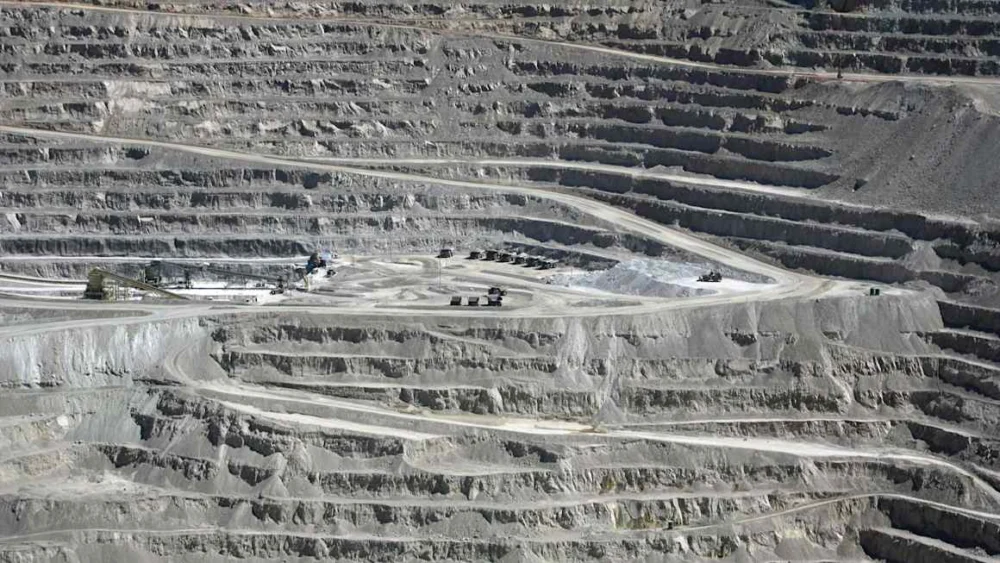
The narrative of this reporting period is undeniably centered on copper, a metal that has become synonymous with the electrification of the global economy. As nations race to meet net-zero targets, the demand for copper—essential for electric vehicle (EV) wiring, renewable energy grids, and battery storage—is projected to double by 2035. BHP’s strategic focus on this "red metal" is a calculated move to capture this structural tailwind. The company’s Escondida operation, the world’s largest copper mine, saw improved grades and operational efficiencies, while the Olympic Dam in South Australia contributed record-breaking production figures. These operational successes come at a time when the global copper market is facing a looming supply-demand deficit, characterized by aging mines, a lack of significant new discoveries, and increasing regulatory hurdles in key mining jurisdictions.
Beyond copper, BHP’s traditional cornerstone, iron ore, continued to provide the massive cash flows necessary to fund the company’s diversification. Despite the ongoing volatility in China’s property sector—historically the primary driver of steel demand—iron ore prices remained surprisingly resilient. This stability is attributed to China’s shift toward "new infrastructure," including high-speed rail and green energy installations, which are more steel-intensive than residential high-rises. Furthermore, BHP’s Western Australia Iron Ore (WAIO) operations maintained their position as the world’s lowest-cost producer, allowing the company to preserve high margins even during periods of price fluctuation. The synergy between the steady cash generation of iron ore and the high-growth potential of copper defines BHP’s current competitive advantage over its peers.
However, the path to these record profits has not been without its challenges. The mining sector is currently grappling with "sticky" inflation, particularly in the realms of labor, diesel, and specialized equipment. BHP reported that while headline inflation in some regions has cooled, the cost of skilled labor in Western Australia and Chile remains high, reflecting a tight global market for mining engineering and technical expertise. To combat these rising costs, the company has leaned heavily into automation and digital transformation. The deployment of autonomous haulage fleets and AI-driven predictive maintenance has allowed BHP to squeeze further efficiencies out of its Tier 1 assets, partially offsetting the impact of rising input prices.
Expert insights suggest that BHP’s performance is also a reflection of a broader trend in the mining industry: the race for scale through strategic mergers and acquisitions. Following its unsuccessful bid for Anglo American earlier this year, BHP has made it clear that it remains hungry for high-quality copper assets. Market analysts note that the cost of building new "greenfield" mines has skyrocketed, making the acquisition of existing "brownfield" operations a more attractive route for growth. This "buy vs. build" dilemma is a central theme in the boardrooms of the world’s mining majors, as they compete for a limited pool of high-grade deposits in stable jurisdictions.
The geographical diversification of BHP’s portfolio also provides a buffer against regional economic shocks. While China remains the dominant consumer of its commodities, the company is increasingly looking toward India and Southeast Asia as emerging drivers of demand. India’s massive infrastructure push and its burgeoning manufacturing sector represent the next great frontier for commodity consumption. BHP’s leadership has noted that the urbanization of India could eventually mirror the commodity-intensive growth phase that China experienced over the last two decades, providing a long-term hedge against any potential slowdown in the Chinese economy.
In addition to its base metals portfolio, BHP is making significant strides in the potash market through its Jansen project in Canada. This move into crop nutrients represents a strategic bet on global food security and the needs of a growing global population. By diversifying into potash, BHP is positioning itself to benefit from another long-term macro trend: the requirement for higher agricultural yields from limited arable land. The Jansen project is expected to be a multi-generational asset with high margins, further insulating the company from the volatility of metal price cycles.
From an environmental, social, and governance (ESG) perspective, BHP’s latest report highlights the complexities of operating in the modern era. The company is under increasing pressure from investors to decarbonize its own operations while providing the materials necessary for global decarbonization. BHP has committed to significant reductions in Scope 1 and Scope 2 emissions, investing heavily in renewable energy contracts to power its Chilean mines and trialing electric smelting technologies. The "green premium" for responsibly sourced minerals is becoming a reality, and BHP aims to position itself as the preferred supplier for manufacturers who are increasingly scrutinized for the carbon footprint of their supply chains.
When compared to its global competitors, such as Rio Tinto and Vale, BHP’s strategy appears more aggressively tilted toward the energy transition. While Rio Tinto remains heavily reliant on iron ore and is still navigating the complexities of its Oyu Tolgoi copper project in Mongolia, BHP has already integrated a substantial copper and nickel footprint. Glencore, meanwhile, continues to manage a large coal portfolio, which, while highly profitable in the short term, presents different ESG challenges. BHP’s early exit from most of its fossil fuel assets—including the divestment of its oil and gas business to Woodside Energy—has cleared its path to becoming a pure-play provider of the materials required for the 21st-century economy.
The economic impact of BHP’s profitability extends far beyond its balance sheet. As a major taxpayer and employer in Australia and Chile, the company’s success translates into significant government revenues and regional development. However, this also brings the company into the crosshairs of domestic politics, particularly regarding mining royalties and labor laws. In Australia, recent changes to workplace relations legislation have been a point of contention, with BHP warning that increased labor costs could impact the long-term competitiveness of the nation’s resources sector.
Looking ahead, the outlook for BHP remains cautiously optimistic but tethered to global macroeconomic stability. The primary risks include a potential hard landing for the global economy, which could dampen commodity prices, and the risk of resource nationalism in emerging markets. Furthermore, the technical challenges of mining at greater depths and in more complex geological environments will require sustained capital expenditure. Nevertheless, the fundamental thesis remains intact: the world cannot de-fossilize without a massive increase in mineral extraction, and as the largest player in the field, BHP is uniquely positioned to capitalize on this inevitability.
In summary, BHP’s first-half results are a testament to the company’s operational excellence and its foresight in pivoting toward the commodities of the future. The sharp rise in profit is not merely a result of favorable market conditions but the outcome of a rigorous long-term strategy to align the company’s portfolio with the structural shifts in the global economy. As the demand for copper continues to outstrip supply, and as the world’s appetite for sustainable infrastructure grows, BHP stands as a central pillar of the global industrial complex, navigating the tensions between traditional mining and the new era of green technology.