New Delhi is strategically channeling financial support towards carbon capture technologies within its burgeoning steel sector, a critical move aimed at reconciling ambitious industrial growth with increasingly stringent global climate regulations. This proactive stance is primarily designed to insulate India’s significant steel exports from the impending financial burdens of the European Union’s Carbon Border Adjustment Mechanism (CBAM), which came into effect on January 1, 2026, marking a new era of carbon-inclusive trade.
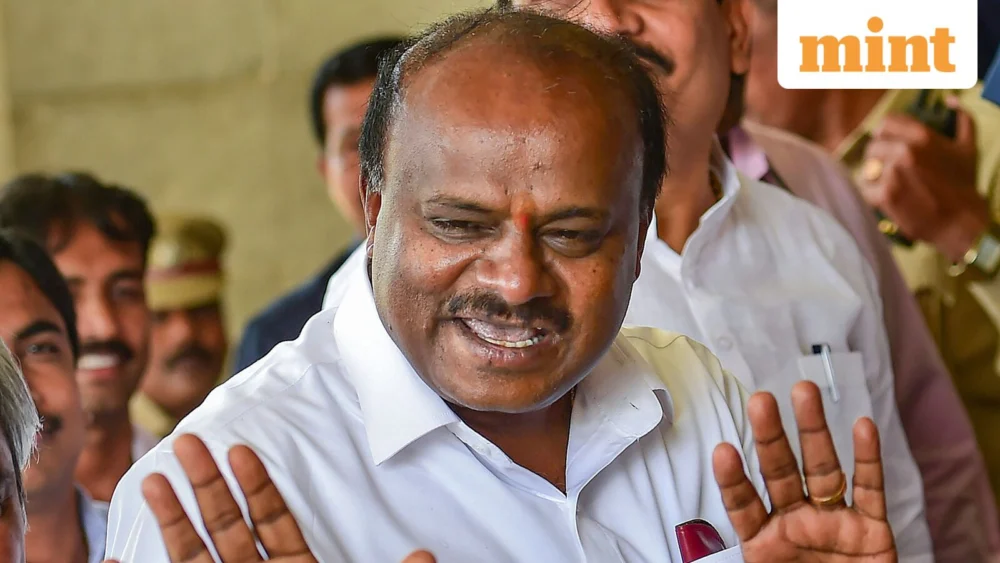
The Union Budget for the fiscal year 2027 has earmarked a substantial ₹20,000 crore (approximately $2.4 billion USD) for a comprehensive Carbon Capture, Utilisation, and Storage (CCUS) scheme. While this allocation spans several carbon-intensive industries, the steel sector is anticipated to be a primary beneficiary, given its substantial emissions footprint and critical role in India’s industrial landscape. Steel Minister H.D. Kumaraswamy underscored the practicality of this approach, stating that CCUS represents one of the most immediate and cost-effective pathways for existing coal-fed steel plants to curtail their environmental impact without necessitating complete operational overhauls. India’s steel production, which heavily relies on coal, generates over 250 million tonnes of carbon dioxide annually, making decarbonization a monumental challenge and opportunity.

The economic imperative driving this policy is clear. In 2025, India exported 8.6 million tonnes of steel, with the European Union absorbing a considerable portion—over 40% of these shipments, according to commodities market intelligence firm BigMint. The introduction of CBAM means that these exports will face an additional levy, effectively mirroring the carbon price paid by EU producers under the EU Emissions Trading System (ETS). This mechanism aims to prevent "carbon leakage," where industries might relocate production to countries with less stringent climate policies, thereby undermining global decarbonization efforts. For Indian steelmakers, the cost of carbon capture is estimated to be between ₹1,900 and ₹2,400 per tonne of CO2, or roughly $20 to $26. Minister Kumaraswamy highlighted that a government subsidy of at least 50% would be essential to make CCUS commercially viable for the industry, emphasizing the significant financial commitment required.
Beyond direct subsidies, India is simultaneously developing a domestic carbon trading system, a crucial parallel initiative. This system will mandate 253 steel companies, among others, to meet specific emission targets or acquire carbon credits, effectively assigning a monetary value to carbon emissions. A pivotal goal of this domestic market is to gain recognition from the EU. Should India’s mandatory carbon pricing system be acknowledged by Brussels, Indian exporters could potentially be exempt from paying the CBAM tariff, thereby preserving their competitive edge in a vital export market. This strategy aligns with the EU’s provisions that allow for the deduction of carbon costs already paid in the country of origin under a mandatory system, presenting a diplomatic and economic challenge for India to demonstrate the robustness and equivalence of its carbon market.
The push for CCUS is framed not as a temporary fix but as an integral component of India’s long-term decarbonization roadmap. While green hydrogen is widely touted as the ultimate clean energy solution for heavy industries, its widespread adoption in steel production is still years, if not decades, away due to technological maturity and infrastructure requirements. With approximately 93% of India’s iron production relying on coal-based plants, many of which have operational lifespans of around 40 years, CCUS offers an immediate and practical pathway. Studies suggest that over half of the emissions from these legacy plants can only be mitigated through carbon capture. Given that India’s steel capacity is projected to continue expanding until at least 2030, CCUS is poised to remain central to the nation’s climate strategy for decades, offering a bridge to a greener future alongside enhanced energy efficiency, increased scrap recycling, and eventual green hydrogen integration.

However, industry experts offer a tempered perspective on the immediate impact of these measures. Sachin Shetty, Consulting Partner and CEO of Quesrow at BigMint, acknowledged the positive policy intent but cautioned against expecting rapid, large-scale relief for steelmakers. He emphasized that for CCUS to deliver meaningful emission reductions at scale, the sector would require substantially higher investment and more robust research and development capabilities to develop commercially viable prototypes. Similarly, Suman Kumar, Assistant Vice-President for Metals and Mining at Philip Capital, pointed out that the ₹20,000 crore allocation, while significant, is not exclusively for steel and is spread over five years. He noted that this outlay might only cover a modest portion of the overall costs required for widespread carbon capture implementation across the industry. This highlights the immense capital expenditure involved in retrofitting existing facilities and developing new, carbon-neutral steelmaking processes.
Despite the challenges, Indian steelmakers have already begun taking concrete steps. Tata Steel, a leading industry player, commissioned a 5 tonnes per day carbon capture plant at its Jamshedpur facility in 2021, with plans to reuse the captured CO2 within its operations. Furthermore, a consortium of major steel producers, including ArcelorMittal Nippon Steel India (AM/NS India), JSW Steel, Hyundai Steel Company, and global partners like BHP, Chevron, and Mitsui & Co., initiated a pre-feasibility study in 2025. This study aims to assess the development of large-scale carbon capture hubs across Asia, including India. Arvind Bodhankar, Chief Sustainability Officer at AM/NS India, elaborated on these plans, identifying approximately 21 potential hubs in India where captured carbon dioxide from various industrial plants could be consolidated. From these hubs, the CO2 would then be transported for geological sequestration, likely into defunct oil wells or basalt formations. This ambitious first phase, focusing on evaluating the costs of capture, transportation, and sequestration, is expected to conclude by the third quarter of FY27.
The broader implications of India’s strategy extend beyond its borders. As a major global steel producer and a rapidly developing economy, India’s approach to industrial decarbonization under external trade pressure could serve as a model or a precedent for other nations. Countries like China, Japan, and South Korea, also significant steel exporters, are similarly grappling with the implications of carbon border adjustments and are investing heavily in various decarbonization pathways, including CCUS and hydrogen-based steelmaking. India’s efforts to establish a robust domestic carbon market and seek EU recognition for its carbon price reflect a sophisticated response to a complex challenge, balancing national economic interests with global climate responsibilities. The success of this dual strategy – incentivizing technological adoption and establishing a credible carbon pricing mechanism – will not only determine the competitiveness of Indian steel but also influence the evolving landscape of international climate governance and green trade. The coming years will be crucial in demonstrating whether this strategic bet on carbon capture can effectively shield India’s industrial engine from the tightening grip of global climate regulation, fostering both economic prosperity and environmental stewardship.