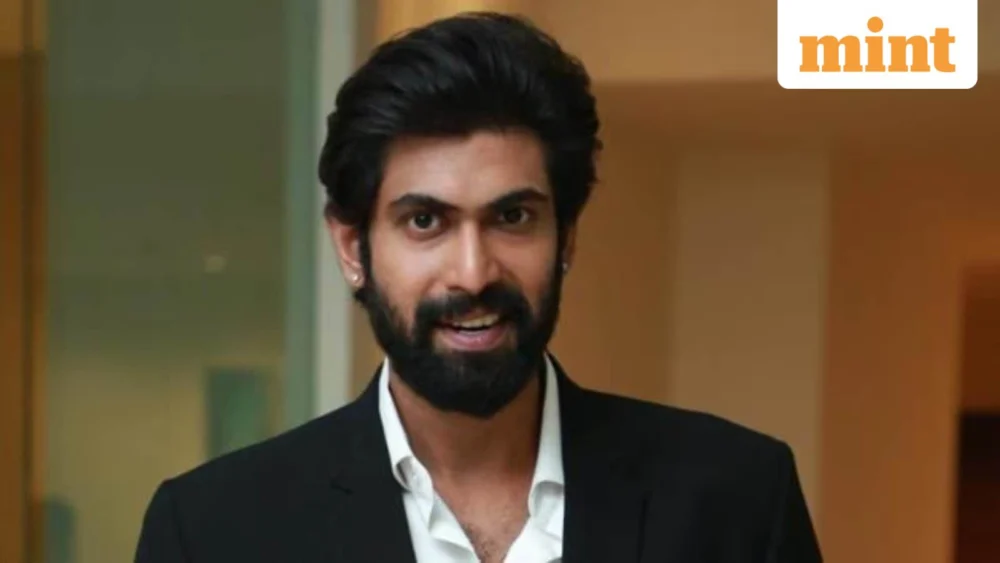
The global media landscape is undergoing a profound transformation, compelling even the most established film and entertainment personalities to redefine their roles beyond traditional performance. Increasingly, prominent actors and creators are strategically pivoting towards entrepreneurial ventures, investing in and co-founding specialized streaming platforms – both audio and video – a move that signifies a deeper quest for intellectual property ownership, creative control, and direct engagement with their audience. This shift is particularly pronounced in burgeoning digital markets where the sheer volume of content and platforms presents a paradox of intense competition alongside unparalleled opportunities for niche specialization.
This emerging trend sees figures like the acclaimed actor Rana Daggubati backing regional video-on-demand services, such as Chai Shots, while versatile performers like Pankaj Tripathi have co-founded audio-centric platforms like Velvet. These investments, though demanding significant time and capital before substantial monetization materializes, offer a compelling long-term upside: unparalleled autonomy over storytelling and format development, especially within specific linguistic, cultural, or thematic segments. The celebrity imprimatur itself acts as a powerful catalyst, imbuing nascent platforms with immediate credibility and crucial visibility in an oversaturated digital marketplace.
Industry experts underscore the strategic rationale behind these high-stakes gambles. Chandrashekar Mantha, a leading media and entertainment sector analyst, observes that in the current highly fragmented over-the-top (OTT) environment, such star-led initiatives prioritize direct audience connection over initial market scale. By leveraging their inherent brand equity, celebrities can drastically reduce the often exorbitant customer acquisition costs that plague new streaming services. This built-in visibility and pre-existing fan loyalty become invaluable intangible assets, fostering a dedicated user base from inception.

Beyond the immediate marketing advantages, these ventures unlock diverse revenue streams and enhanced control over creative output. Celebrities transition from being mere talent-for-hire to becoming active stakeholders, owning the intellectual property they help create. This strategic shift allows for broader monetization opportunities, including subscriptions, advertising video-on-demand (AVoD), licensing, syndication, and the development of ancillary content formats. The ability to cultivate and monetize a personal audience base through proprietary digital ecosystems, rather than relying solely on third-party platforms, represents a significant evolution in the economics of celebrity influence.
The modern OTT ecosystem has moved far beyond the initial subscription-only paradigm. Dr. Rashmi Jain, an associate professor specializing in marketing and international business, highlights the proliferation of varied access models: AVoD, Free Ad-supported Streaming TV (FAST), freemium tiers, OTT aggregators, and telecom or direct-to-home (DTH) bundles. This diversification democratizes access for price-sensitive consumers and dramatically improves content discoverability for smaller, specialized streaming services. What might appear as overwhelming content clutter is, in reality, a vibrant ecosystem of format diversification, allowing for bespoke content experiences.
This expansion encompasses a wide array of new formats, from bite-sized short series and immersive cinematic audio stories to podcasts and hyper-localized regional content. For actors, the allure extends far beyond immediate financial returns. It represents a fundamental shift towards becoming IP owners and franchise architects, transforming their artistic contributions into long-term equity. These platforms also facilitate direct-to-fan relationships, offering invaluable data insights and fostering repeat engagement—benefits rarely afforded by traditional film and television distribution models. Moreover, many of these investments are considered strategic "option bets," with today’s niche platform potentially evolving into a full-fledged studio, an IP development engine, a talent incubator, or a robust licensing business in the future.
While investing in consumer brands might offer clearer demand and quicker monetization, content platforms necessitate a different breed of patience, significant capital investment, and a clear path to scale. Yet, the potential upside can be substantially higher if a platform successfully cultivates a loyal niche audience or becomes an attractive acquisition target for larger media conglomerates. Many celebrity-backed services deliberately operate within specialized or regional linguistic domains, consciously avoiding direct competition with global behemoths like Netflix and Amazon Prime Video. As actor Shreyas Talpade, who launched Nine Rasa, an OTT service dedicated to plays and performing arts, noted in an interview, their strategy isn’t to outspend the giants but to focus on compelling content that will organically find its audience.

The contributions of celebrities to these ventures are multi-faceted: they bring immediate visibility, build trust, and offer invaluable creative instinct. A star’s name instantly draws attention, facilitates strategic partnerships, and attracts other talent. Crucially, their deep understanding of audience preferences – what resonates, what feels authentic, and what narratives are missing – provides a powerful competitive edge in content curation. However, the path is not without significant hurdles.
Charu Malhotra, co-founder and managing director of a prominent management consultancy, cautions that running a streaming platform demands a distinct skill set fundamentally different from performing. Success hinges on robust product thinking, sophisticated distribution strategies, and unwavering operational discipline. There’s also the inherent risk of the venture becoming overly personality-driven, where its long-term viability becomes disproportionately dependent on the celebrity’s continuous presence and public appeal, rather than on the intrinsic strength of the platform’s content and business model. In essence, while celebrity involvement can serve as a potent catalyst, the sustained success of these digital enterprises ultimately relies on their foundation as viable, strategically managed businesses, transcending mere passion projects.
This phenomenon reflects a broader global trend where the lines between content creation, distribution, and ownership are blurring. The digital revolution has empowered individual creators to bypass traditional gatekeepers, fostering a new era of direct-to-consumer relationships. For celebrities, this represents not just a new income stream, but a significant reassertion of control over their creative legacy and commercial destiny. As the digital media ecosystem continues its rapid evolution, these celebrity-led niche platforms are poised to play a pivotal role, shaping new consumption habits and redefining the very nature of stardom in the 21st century. Their success or failure will offer crucial insights into the evolving dynamics of media consumption, content monetization, and the enduring power of personal brands in the digital age.