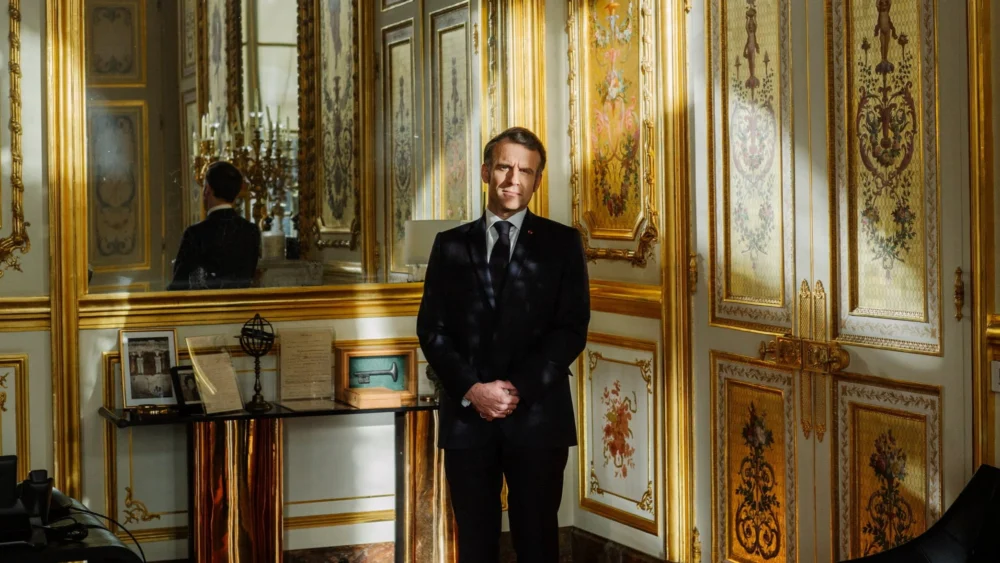
The long-standing alliance between the European Union and the United States, traditionally anchored by shared democratic values and mutual security interests, is entering a period of profound structural reassessment. French President Emmanuel Macron has increasingly emerged as the primary architect of a "Strategic Autonomy" doctrine, warning that the friction points between Brussels and Washington—particularly regarding the strategic importance of Greenland and the regulation of emerging technologies—are not merely temporary disagreements but signs of a permanent shift in the global order. As the geopolitical landscape becomes more fragmented, the competition for resources in the Arctic and the race for digital supremacy have revealed deep-seated divergences in how the two powers view their economic and security futures.
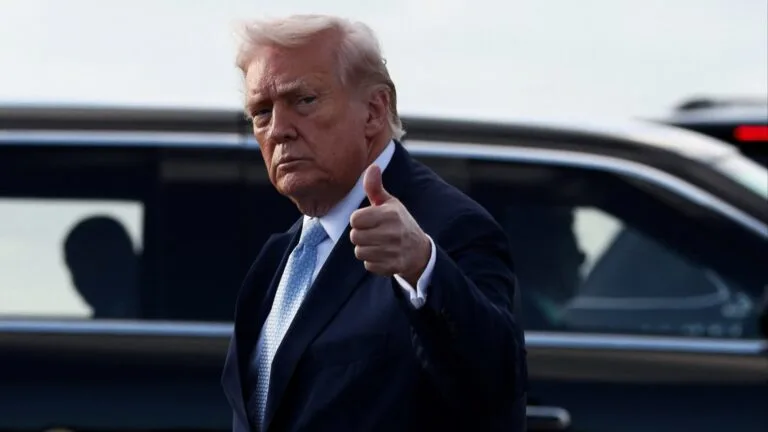
The Arctic has transitioned from a remote periphery of international relations to a central theater of industrial and territorial competition. Greenland, a self-governing territory within the Kingdom of Denmark, sits at the heart of this shift. While former U.S. President Donald Trump’s 2019 proposal to purchase Greenland was met with diplomatic derision in Copenhagen and Brussels, the underlying logic of that overture remains a cornerstone of American strategic thinking. The island is no longer viewed simply as a frozen expanse but as a critical repository of rare earth minerals—elements such as neodymium, praseodymium, and dysprosium—that are essential for the production of everything from electric vehicle motors to advanced military guidance systems.
For the European Union, Greenland represents the most viable path toward reducing its dependency on Chinese supply chains. Currently, China controls approximately 70% of global rare earth production and 90% of the processing capacity. Macron and his contemporaries in Brussels view the U.S. interest in Greenland’s mineral wealth as a potential challenge to European sovereignty. If Washington secures preferential access to these resources through bilateral agreements or heavy investment in Greenlandic infrastructure, the EU risks being sidelined in the race for the "green transition." This competition is further complicated by the security dimension; the Thule Air Base (now Pituffik Space Base) remains a vital asset for U.S. global surveillance and missile defense, creating a situation where American military presence and European economic aspirations are in constant, uneasy proximity.
Economic data underscores the stakes of this resource race. The European Commission has identified 34 critical raw materials essential for the bloc’s digital and green goals, many of which are abundant in the Greenlandic subsoil. However, the cost of extraction in such a harsh environment is astronomical, requiring hundreds of billions of dollars in infrastructure investment. The tension lies in who provides this capital. Macron has argued that Europe must be the primary partner for Greenland, ensuring that the profits and the raw materials remain within the European economic sphere. Washington, meanwhile, views its Arctic policy through the lens of national security, fearing that any vacuum left by Western powers will be filled by Chinese or Russian influence, both of which have shown increasing interest in Arctic shipping lanes and mineral deposits.
The discord extends from the physical geography of the Arctic to the virtual landscape of the digital economy. Technology has become the primary battleground for modern sovereignty, and it is here that the philosophical divide between the U.S. and the EU is most pronounced. The United States continues to champion a market-driven, "innovation-first" approach, largely dominated by a handful of "Big Tech" behemoths. In contrast, the European Union has moved toward a "precautionary principle" model of regulation, epitomized by the General Data Protection Regulation (GDPR), the Digital Markets Act (DMA), and the newly minted AI Act.
President Macron has frequently characterized the dominance of American tech firms as a threat to European democratic integrity and economic independence. The EU’s regulatory framework is designed to curb the monopolistic tendencies of companies like Alphabet, Amazon, Meta, and Apple, forcing them to open their platforms to smaller European competitors and adhere to strict data sovereignty rules. Washington has frequently criticized these moves as disguised protectionism, arguing that the EU is using regulation to compensate for its lack of domestic tech giants. This "regulatory imperialism," as some U.S. critics call it, has created a rift that transcends trade, affecting the very standards that will govern the future of artificial intelligence and quantum computing.
The divergence in AI policy is particularly acute. While the U.S. government has largely relied on voluntary commitments from tech companies to ensure AI safety, the EU has implemented a risk-based legal framework that bans certain applications of the technology and mandates transparency for high-risk systems. For European leaders, this is about setting the "Brussels Effect"—the phenomenon where EU regulations become the de facto global standard. For the U.S., it is seen as a bureaucratic hurdle that could stifle the West’s ability to compete with China’s state-led AI development. Macron’s warnings suggest that unless a common transatlantic standard is reached, the digital world could split into two distinct ecosystems, each with its own rules, hardware requirements, and data silos.
Industrial policy has added another layer of complexity to this strained relationship. The U.S. Inflation Reduction Act (IRA), which provides roughly $369 billion in subsidies and tax credits for green energy projects, was initially hailed as a landmark climate achievement. However, in Paris and Berlin, it was viewed as a protectionist "slap in the face." The IRA’s "Made in America" requirements for electric vehicle batteries and renewable energy components threatened to drain investment out of Europe and toward American shores. Macron was among the first to call for a "Buy European Act" in response, advocating for a massive infusion of state aid to level the playing field.
The economic impact of this subsidy war is already visible in market data. European automakers and energy firms have had to weigh the benefits of expanding in the U.S. to capture IRA credits against the loyalty to their home markets. This has led to a significant "capital flight" concern within the Eurozone. While the Biden administration has attempted to offer some concessions to European allies, the fundamental shift toward a more insular, subsidy-driven American economy remains a point of deep contention. Macron’s stance is clear: Europe cannot remain a "passive consumer" of American technology and industrial policy; it must build its own champions or risk becoming a vassal state in the economic rivalry between the U.S. and China.
The concept of "Strategic Autonomy," which Macron has championed since his 2017 Sorbonne speech, is no longer just a French aspiration but a central theme of EU policy discussions. This doctrine argues that Europe must be able to defend its interests and values without being entirely dependent on the security guarantees or economic dictates of Washington. The recent tensions over Greenland and tech are symptoms of this maturing European identity. The continent is attempting to find its footing in a multipolar world where the "Pax Americana" is no longer the guaranteed default.
Looking ahead, the relationship between the EU and the US will likely be defined by a "cooperate where possible, compete where necessary" framework. While both sides remain aligned on the necessity of supporting Ukraine and countering Russian aggression, the economic and technological spheres will remain fraught with friction. Market analysts suggest that the next decade will see a significant decoupling of transatlantic standards in high-growth sectors. For global investors, this means navigating a more complex regulatory landscape where "sovereignty" is a key metric of risk.
Ultimately, the warnings from the Élysée Palace reflect a broader realization: the post-Cold War era of globalization is being replaced by a period of "geoeconomic competition." Whether it is the control of rare earth minerals in the Arctic or the governance of the algorithms that drive the modern economy, the interests of the United States and the European Union are no longer perfectly aligned. Macron’s insistence that these tensions are far from over serves as a wake-up call for policymakers on both sides of the Atlantic. The challenge for the coming years will be to manage this divergence without fracturing the core alliance that has underpinned global stability for nearly eighty years. As the race for the future accelerates, the divide over Greenland and technology may well be the defining struggle of the 21st-century transatlantic partnership.