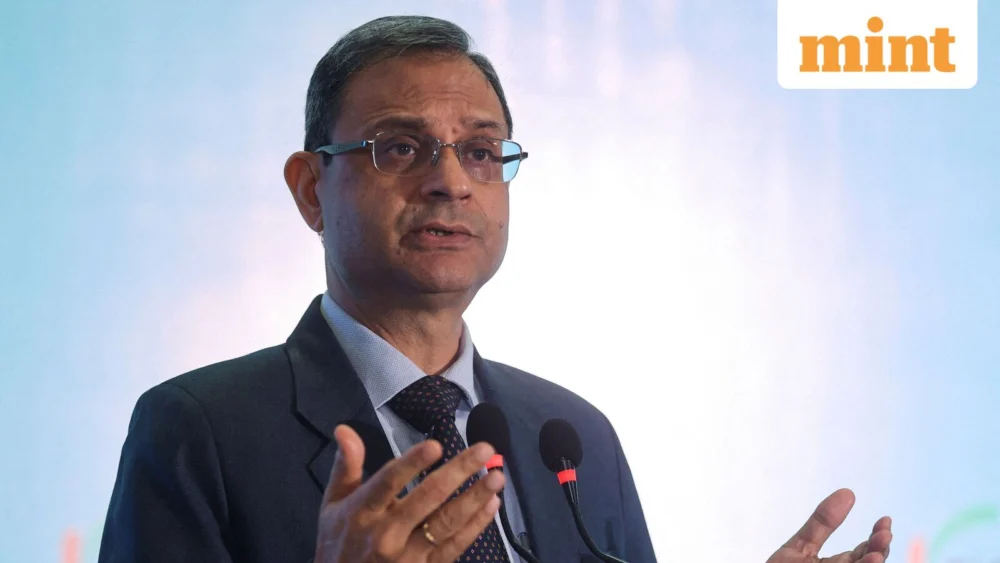
Mumbai, India – In a significant declaration following its latest Monetary Policy Committee (MPC) meeting on February 6, 2026, Reserve Bank of India (RBI) Governor Sanjay Malhotra outlined a comprehensive suite of measures designed to enhance consumer protection, advance financial inclusion, bolster specific financial institutions, and deepen India’s burgeoning financial markets. These forward-looking policies underscore the central bank’s proactive stance in navigating the complexities of a rapidly evolving digital economy while ensuring robust, equitable growth across all segments of the financial landscape.
Fortifying Digital Defenses: A New Shield for Consumers
At the forefront of the RBI’s announcements is a critical intervention aimed at safeguarding consumers against the escalating threat of digital fraud. Governor Malhotra revealed a mechanism for compensation of up to ₹25,000 for losses incurred from small-value digital frauds. This move arrives at a crucial juncture for India, a nation that has witnessed an exponential surge in digital transactions, particularly through platforms like UPI (Unified Payments Interface). While digital payments have been a cornerstone of India’s financial transformation, fraud incidents have also climbed, eroding consumer confidence and posing a systemic risk. According to recent estimates, digital payment frauds in India increased by over 30% year-on-year in the last fiscal period, with small-value transactions often targeted by perpetrators, collectively leading to substantial losses for individuals.
The introduction of a standardized compensation framework signals the RBI’s commitment to shifting the burden of fraud from individual consumers to the financial ecosystem, thereby incentivizing banks and payment service providers to invest more robustly in fraud detection and prevention technologies. This approach aligns with global best practices, where central banks and regulators in jurisdictions like the UK have implemented similar reimbursement schemes for authorized push payment (APP) fraud, recognizing the imperative to protect vulnerable consumers. Experts suggest this measure will not only restore trust in digital channels but also encourage greater adoption of cashless transactions, further accelerating India’s digital economy trajectory. "This compensation ceiling, while modest for large-scale frauds, is a game-changer for the average digital user," noted Dr. Anjali Sharma, a Mumbai-based economist. "It creates a psychological safety net, encouraging individuals to embrace digital transactions without paralyzing fear of irreparable loss, especially for the elderly or less tech-savvy."
Broadening the Embrace: Advancing Financial Inclusion and Credit Flow
Beyond immediate consumer protection, the RBI’s agenda includes a significant push for enhancing financial inclusion and streamlining credit delivery, particularly to underserved segments. Governor Malhotra confirmed the completion of an exhaustive review of three pivotal schemes: the Lead Bank Scheme (LBS), the Kisan Credit Card (KCC) Scheme, and the Business Correspondent (BC) Model. Draft revised guidelines for these initiatives are slated for imminent release.
The Lead Bank Scheme, which designates a leading public sector bank in each district to coordinate banking efforts, has been instrumental in rural development but requires modernization to address contemporary challenges such as digital literacy and last-mile connectivity. The Kisan Credit Card Scheme, vital for providing timely and adequate credit to farmers, is being reimagined to integrate more seamlessly with digital platforms, potentially reducing processing times and enhancing accessibility. Similarly, the Business Correspondent Model, which leverages local agents to deliver basic banking services in remote areas, is poised for an upgrade to improve operational efficiency, oversight, and the range of services offered.
These reviews are critical for India’s socio-economic development. Despite significant strides, a substantial portion of India’s population, especially in rural and semi-urban areas, still lacks adequate access to formal credit and financial services. Enhancing these schemes is projected to unlock new avenues for economic activity, reduce reliance on informal credit sources, and contribute to higher financial literacy. The digital integration envisioned for KCC, for instance, could lead to a 15-20% increase in credit uptake by farmers, significantly boosting agricultural productivity and rural incomes. Such foundational reforms are crucial for achieving the national goal of inclusive growth, ensuring that the benefits of economic progress reach every citizen.
Strengthening the Local Backbone: Urban Cooperative Banks (UCBs)
Recognizing the vital role played by Urban Cooperative Banks (UCBs) in localized credit delivery and financial intermediation, the RBI announced four specific measures aimed at strengthening their operational capacity and regulatory framework. These include raising financial limits on unsecured loans and loans to nominal members, a move that will empower UCBs to cater better to the immediate credit needs of their communities. Furthermore, the central bank proposes to remove tenor and moratorium-related requirements on housing loans extended by Tier III and Tier IV UCBs, offering greater flexibility and potentially stimulating affordable housing finance in smaller cities and towns.

Perhaps the most ambitious initiative for UCBs is the launch of "Mission-SAKSHAM" (Sahakari Bank Kshamta Nirman), a comprehensive capacity-building program. This mission aims to train over 1.4 lakh participants from UCBs, addressing critical skill gaps in areas such as risk management, digital banking operations, and compliance. UCBs have historically faced challenges related to governance, professional management, and technology adoption. This training initiative is a direct response to these issues, aiming to professionalize the sector and ensure its long-term viability. "Mission-SAKSHAM is more than just training; it’s an investment in the future of community banking," remarked a senior analyst at a leading financial consultancy. "By enhancing human capital, the RBI is directly addressing the structural weaknesses that have sometimes plagued these institutions, enabling them to better serve their local economies." These measures are expected to significantly improve the asset quality and operational efficiency of UCBs, solidifying their position as crucial players in India’s diverse financial ecosystem.
Streamlining Growth: Ease of Doing Business for NBFCs
In a move to foster growth and reduce regulatory burden on certain segments of the non-banking financial company (NBFC) sector, Governor Malhotra announced significant relaxations. NBFCs that do not handle public funds, have no direct customer interface, and possess an asset size not exceeding ₹1,000 crore are proposed to be exempted from the registration requirement. This targeted exemption is designed to encourage niche financial activities and innovation among smaller, less systemically important entities, allowing them to operate with greater agility.
Additionally, the requirement for certain NBFCs to obtain prior approval for opening more than 1,000 branches is proposed to be dispensed with. This deregulation aims to facilitate rapid expansion for larger NBFCs, particularly those focused on reaching a wider geographical footprint, without unnecessary administrative hurdles. These steps reflect a balanced regulatory philosophy: easing compliance for entities posing lower systemic risk while maintaining stringent oversight for larger, more complex players. This strategic liberalization is anticipated to spur competition, enhance credit availability in specialized segments, and contribute to the overall deepening of India’s credit markets, potentially increasing NBFCs’ contribution to overall financial sector assets by an additional 2-3% over the next three years.
Deepening Financial Markets: Attracting Capital and Enhancing Liquidity
The RBI’s announcements extended to critical reforms aimed at deepening India’s financial markets, crucial for attracting foreign investment and enhancing liquidity. The central bank confirmed the finalization and imminent notification of revised regulations for External Commercial Borrowings (ECBs), a move eagerly awaited by corporations seeking to tap international capital at competitive rates.
Perhaps the most impactful market-oriented change is the proposed removal of the ₹2.5 lakh crore limit for investments under the Voluntary Retention Route (VRR). Introduced in 2019, VRR allows foreign portfolio investors (FPIs) to invest in Indian debt markets with greater operational flexibility, subject to certain conditions. The removal of the aggregate limit, while retaining investment ceilings for each security category under the General Route, signals a strong intent to further liberalize India’s capital account and attract greater FPI participation in the bond market. This move could potentially unlock billions of dollars in foreign investment, enhancing market liquidity and reducing borrowing costs for Indian entities. "The removal of the VRR cap is a clear signal of India’s increasing confidence in its macroeconomic stability and its desire to integrate further with global capital markets," stated a bond market strategist based in Singapore. "It will undoubtedly make Indian debt a more attractive proposition for long-term institutional investors."
Furthermore, in line with the Union Budget 2026, the RBI proposes to introduce a regulatory framework for derivatives on corporate bond indices and total return swaps (TRS) on corporate bonds. These instruments are vital for risk management and price discovery in the corporate debt market, offering sophisticated tools for investors to hedge exposures and enhance returns. Finally, draft revised guidelines for Authorised Dealer (AD) banks and Stand-alone Primary Dealers (SPDs) are set to be issued, granting them greater flexibility in undertaking foreign exchange transactions. This will enhance the efficiency and depth of India’s foreign exchange market, aligning it more closely with international best practices.
A Holistic Vision for India’s Financial Future
The comprehensive nature of Governor Malhotra’s announcements reflects a holistic vision for India’s financial future: one that is secure, inclusive, efficient, and globally integrated. From empowering individual digital users against fraud to strengthening local financial institutions and opening up capital markets, the RBI is meticulously crafting a regulatory and operational framework designed to support India’s aspirations for sustained economic growth and stability. These measures, taken collectively, are poised to bolster confidence in the Indian financial system, attract greater domestic and international investment, and ultimately, pave the way for a more robust and resilient economy in the years to come.