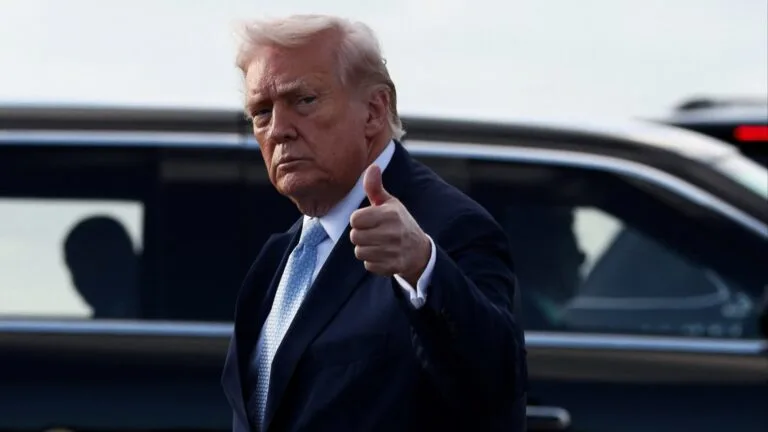
In a move that signals a seismic shift in global energy markets and transatlantic-Pacific diplomacy, the United States and India have reached a landmark agreement to recalibrate their bilateral trade relationship. Under the terms of the deal announced by President Donald Trump, the United States will significantly reduce trade tariffs on a wide range of Indian goods in exchange for a commitment from Prime Minister Narendra Modi’s government to completely halt the importation of Russian crude oil. This transactional breakthrough marks a pivotal moment in the West’s ongoing efforts to isolate Moscow economically while simultaneously deepening the strategic partnership between the world’s two largest democracies.
The agreement addresses a long-standing point of friction in U.S.-India relations. Since the onset of the conflict in Ukraine in early 2022, India has emerged as one of the largest buyers of discounted Russian Urals crude, effectively providing a financial lifeline to the Kremlin despite sweeping Western sanctions. By offering tariff relief—a primary tool of the Trump administration’s "America First" economic policy—the U.S. is leveraging its massive consumer market to incentivize New Delhi to pivot away from its historical energy dependence on Russia.
For the Indian economy, the removal of specific tariffs offers a much-needed boost to its manufacturing and textile sectors. Over the past several years, Indian exports to the U.S., including steel, aluminum, and jewelry, have faced significant barriers. The new framework is expected to restore or even expand India’s benefits under the Generalized System of Preferences (GSP), which had been suspended during the previous Trump administration over market access disputes. Economists suggest that the reduction in duties could increase Indian export volumes to the U.S. by as much as 15% annually, providing a vital stimulus to Modi’s "Make in India" initiative.
However, the cost of this trade victory for New Delhi is a fundamental restructuring of its energy security strategy. Since 2022, Russia’s share of India’s oil imports skyrocketed from less than 2% to nearly 40% at its peak. The Russian oil was often purchased at prices significantly below the G7-imposed $60-per-barrel price cap, allowing India to manage domestic inflation and reduce its current account deficit. Transitioning away from this cheap supply will require India to secure alternative sources, likely from the Middle East, West Africa, and increasingly, the United States itself.
The geopolitical implications of this deal extend far beyond the bilateral trade balance. By securing India’s exit from the Russian oil market, the U.S. is effectively closing one of the largest loopholes in the international sanctions regime. This move is designed to further deplete Russia’s foreign exchange reserves and limit its ability to fund its military operations. From a strategic perspective, the deal also serves to pull India closer to the Western orbit, potentially weakening the cohesion of the BRICS bloc, where India and Russia have historically found common ground on issues of multi-polarity and resistance to Western hegemony.
Market analysts are closely watching how this shift will impact global oil prices. The sudden removal of Indian demand for Russian crude could lead to a glut of Russian oil looking for a home, potentially forcing Moscow to offer even steeper discounts to remaining buyers like China. Conversely, India’s increased demand for non-Russian oil could put upward pressure on Brent crude prices. To mitigate this, the U.S. has reportedly discussed increasing its own energy exports to India. The U.S. is already one of India’s top five energy suppliers, and this agreement is expected to pave the way for long-term contracts for American Liquefied Natural Gas (LNG) and West Texas Intermediate (WTI) crude.
Within the U.S., the deal is being framed as a masterclass in transactional diplomacy. President Trump has frequently characterized India as a "tariff king," criticizing the high duties New Delhi imposes on American products such as Harley-Davidson motorcycles and agricultural goods. By trading tariff concessions for a major geopolitical objective—the isolation of Russia—the administration is demonstrating a willingness to use economic leverage to achieve national security goals. This "quid pro quo" approach marks a departure from traditional diplomatic norms, favoring immediate, tangible results over long-term multilateral agreements.
The impact on India’s domestic politics will be equally significant. Prime Minister Modi faces the challenge of ensuring that the transition away from Russian oil does not lead to a spike in petrol and diesel prices, which are highly sensitive political issues in India. The Indian government is expected to seek assurances from the U.S. and other partners that energy supplies will remain stable and affordable. If the tariff cuts lead to a surge in jobs and industrial growth, the trade-off may be viewed as a net positive for the Indian electorate ahead of future regional and national contests.
Furthermore, the deal highlights the evolving nature of the Quad—the strategic security dialogue between Australia, India, Japan, and the United States. While the Quad has primarily focused on maritime security and countering China’s influence in the Indo-Pacific, this economic and energy pact adds a robust commercial dimension to the alliance. It suggests that the U.S. is willing to provide significant economic incentives to ensure that its strategic partners align with its broader foreign policy objectives, particularly regarding Russia and China.
Skeptics, however, point to the potential risks of such a rapid shift. India’s refinery infrastructure has been optimized over the last two years to process Russian grades of crude. Switching to different varieties may require technical adjustments and could temporarily impact refinery margins. Additionally, there is the question of how Russia will respond. Moscow has historically been a major supplier of defense equipment to India, and a total halt to oil imports could strain the decades-old security relationship between the two nations.
From a global economic standpoint, the U.S.-India agreement could serve as a blueprint for future trade negotiations. It demonstrates a model where trade barriers are not just negotiated for market access, but are used as pawns in a larger geopolitical chess game. For other nations that have remained neutral in the Russia-Ukraine conflict, the message from Washington is clear: alignment with U.S. strategic interests can yield significant economic rewards.
As the details of the tariff reductions are finalized, industry leaders in both nations are preparing for a new era of commerce. U.S. tech firms and retail giants, which have deep investments in India, are likely to benefit from a more stable and cooperative trade environment. Meanwhile, Indian IT services and pharmaceutical companies, which already have a massive footprint in the U.S., may find a more welcoming regulatory and fiscal landscape.
In the coming months, the success of this agreement will be measured by two primary metrics: the actual volume of Russian oil exiting the Indian market and the growth of Indian exports to the United States. If both trends materialize, it will validate the Trump administration’s strategy of using trade policy as a primary instrument of foreign influence. For India, the deal represents a high-stakes gamble that the benefits of deeper integration with the American economy will outweigh the loss of cheap energy and the cooling of its long-standing ties with Moscow.
Ultimately, this pact marks the beginning of a new chapter in the 21st-century global order. It reinforces the reality that energy security and trade policy are now inextricably linked to national security. As the world moves toward more fragmented and regionalized trade blocs, the alignment between Washington and New Delhi stands as one of the most consequential developments in the post-Cold War era, reshaping the flow of capital, energy, and political influence across the globe.