Universal Music India (UMI), a prominent division of the global music conglomerate Universal Music Group (UMG), is orchestrating a significant strategic shift, moving beyond traditional music acquisition to forge deeper, long-term collaborations within India’s burgeoning film and digital content ecosystem. This pivot represents a deliberate effort to integrate into the very fabric of storytelling, aiming to unlock diversified revenue streams and enhance intellectual property value in an entertainment market characterized by rapid digital transformation and evolving consumer habits. The strategy emphasizes proactive engagement from the conceptual stage of content creation, contrasting sharply with the conventional model of labels merely bidding for finished film soundtracks.
Central to this new direction are several high-profile partnerships and acquisitions. Last month, UMI secured a 30% equity stake in Excel Entertainment, a prolific film and digital content studio known for its innovative storytelling across various platforms. This follows a strategic alliance formed last year with Dinesh Vijan’s Maddock Films and its nascent music label, Mad For Mussic. These transactions, as articulated by a senior company executive, underscore UMI’s commitment to sustained, collaborative ventures rather than engaging in competitive bidding wars for individual film music rights. This approach allows UMI to embed itself within the creative process, influencing musical direction and optimizing its integration with the narrative from inception.
The financial performance of Universal Music India provides context for this strategic evolution. For the fiscal year 2024, the company reported a net profit of ₹29.5 crore on a revenue of ₹638.6 crore, according to data compiled by financial intelligence firm Tofler. While these figures indicate a robust presence in the Indian market, the broader industry landscape is presenting both opportunities and challenges that necessitate such strategic recalibrations. India’s entertainment and media sector is projected to grow significantly, potentially reaching upwards of $50 billion by 2027, driven largely by digital consumption, yet monetization models, particularly in music streaming, remain complex and often insufficient for long-term value creation.

Indeed, the underlying motivation for UMI’s strategic pivot stems from persistent challenges in the music streaming economy. Industry analysis consistently points to weak monetization, with per-stream payouts to rights holders often amounting to mere fractions of a rupee. This microscopic revenue per stream makes it exceedingly difficult for labels to generate substantial, sustainable value, even from extensive and popular music catalogues. Compounding this issue is the fragmented nature of rights enforcement within the Indian market, where issues like piracy, unlicensed usage, and inconsistent royalty collection mechanisms limit the effective monetization of music intellectual property beyond primary distribution channels. This environment contrasts sharply with more mature global markets where robust legal frameworks and established collection societies ensure better returns for creators and rights holders.
In stark contrast, the film and Over-The-Top (OTT) ecosystem offers a more diversified and potentially lucrative landscape. Engaging with film production houses provides access to multiple revenue streams, including content distribution rights, various forms of music royalties (mechanical, synchronization, public performance), and global syndication opportunities. The explosion of OTT platforms in India, fueled by affordable data and increasing smartphone penetration, has created an insatiable demand for original, high-quality content, where music often plays a critical role. By investing directly in film production companies, UMI is positioning itself to capture value across the entire content lifecycle, from initial concept to global distribution, rather than being confined to the music component alone.
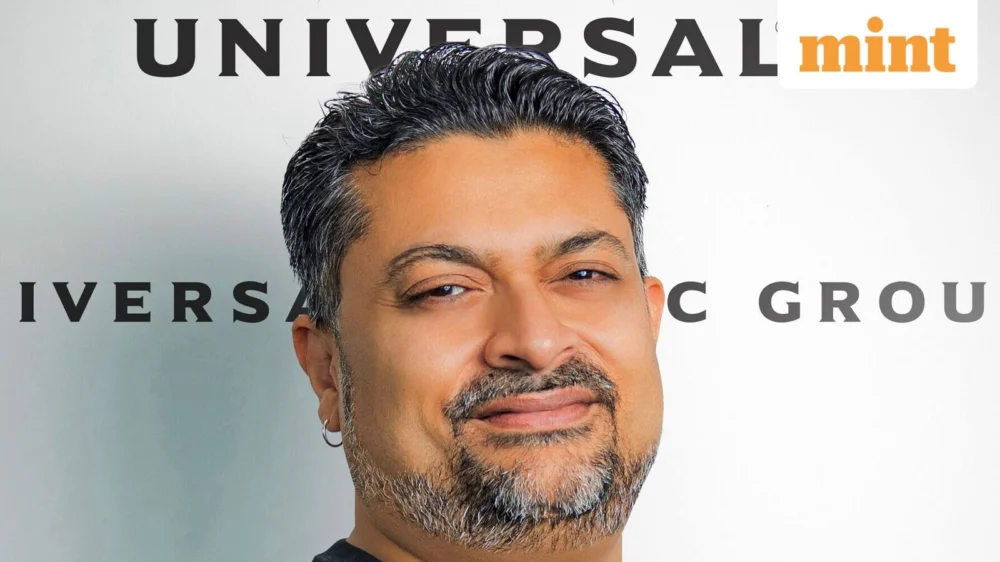
Devraj Sanyal, Chairman and CEO for India and South Asia, and Senior Vice-President of Strategy for Africa, Middle East, and Asia at Universal Music India, emphasizes the desire to "be part of the storytelling process." This early engagement allows UMI to influence how music is created, curated, and positioned for specific audiences, fostering a deeper synergy between visual and auditory elements. This proactive involvement, starting as early as the scripting stage, means music becomes an integral narrative component rather than an afterthought. Such integration facilitates more effective marketing and targeting, not only pushing individual artists but also creating a more compelling and cohesive entertainment product that can command higher value across all monetization avenues, including global licensing and merchandising.
This strategic direction by UMI is not an isolated incident but rather indicative of a broader trend within the Indian entertainment industry. The convergence of music and film assets is gaining traction as companies seek to consolidate intellectual property and diversify revenue streams. Beyond the Universal-Excel deal, Saregama, another major Indian music label, made a significant investment of ₹325 crore in an initial stake in filmmaker Sanjay Leela Bhansali’s company in December. Historically, Indian media giants like T-Series and Tips Industries have successfully operated integrated models, combining music production with film and television content creation. While some experts, like Uday Sodhi, a senior partner at Kurate Digital Consulting, suggest these moves are primarily investment-driven for returns rather than direct market position enhancement, the underlying trend points towards a future where music and visual content are inextricably linked, leveraging each other for amplified reach and commercial success.

A core tenet of UMI’s new strategy is to cultivate a stronger paid subscription economy for music in India. Sanyal argues that to drive paid subscriptions, consumers must be offered both quality and quantity in a manner that compels them to pay. He highlights that robust global music streaming economies in regions like Japan, North America, Europe, and South America thrive because consumers are accustomed to paying for music. India, with its vast population and still-developing digital payment infrastructure, presents unique challenges in converting free users to paying subscribers. By producing and curating high-quality music seamlessly integrated into compelling film and OTT narratives, UMI aims to elevate the perceived value of music, making it a more indispensable part of the entertainment experience and, in turn, driving subscription uptake.
The long-term economic impact of this pivot could be substantial for the Indian entertainment landscape. It promises not only enhanced monetization for content creators and intellectual property owners but also a more structured and transparent ecosystem for artists. By retaining music rights in-house with strategic partners, film producers can ensure their creative assets are managed and valued over time, rather than being subjected to volatile bidding environments. Furthermore, UMI’s stated interest in acquiring catalogues and companies across regional films and independent music signifies a broader commitment to nurturing diverse voices and expanding its footprint beyond the Hindi film industry, potentially unlocking significant untapped potential in regional markets and the thriving indie scene. This forward-looking approach positions Universal Music India not just as a music distributor, but as a crucial architect in shaping the future of integrated entertainment content in one of the world’s most dynamic markets.