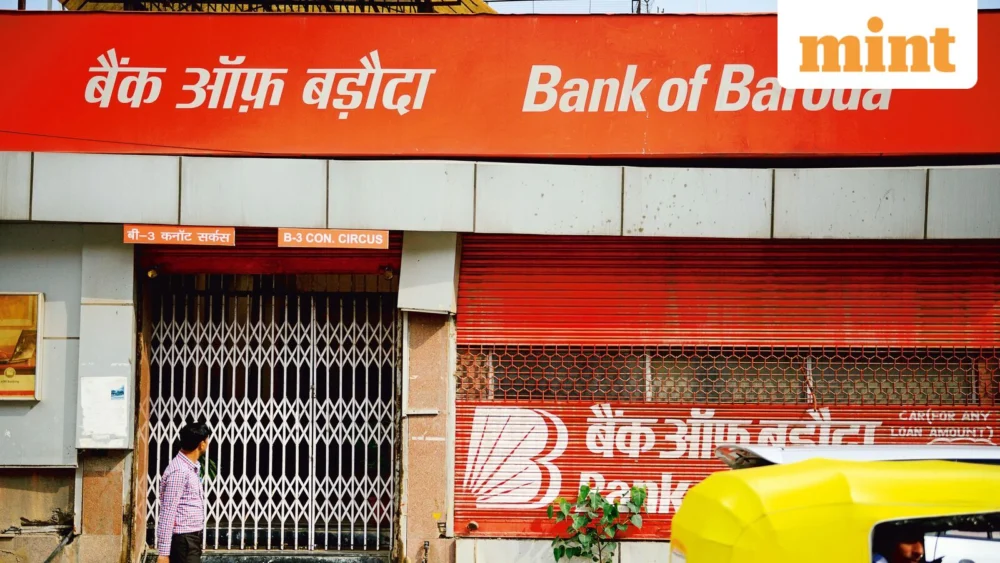
As the global economy recalibrates its post-pandemic operational norms, the rhythm of banking services remains a critical determinant for commerce, trade, and individual financial management. In India, a nation renowned for its vibrant cultural tapestry and rapid digital transformation, the upcoming month of February 2026 presents a mosaic of scheduled bank holidays that necessitate careful planning for both businesses and consumers. These closures, mandated by the Reserve Bank of India (RBI) under the Negotiable Instruments Act, 1881, and other directives, reflect a blend of national observance, regional festivities, and standard weekend protocols, underscoring the unique operational complexities within one of the world’s fastest-growing economies.
The week commencing February 2, 2026, offers a relatively uninterrupted banking landscape for most of the country, with only Sunday, February 8, marked as a pan-India holiday. This provides a window of regular activity for crucial financial transactions and branch-dependent services. However, the broader month of February unfolds a more intricate schedule, with up to nine days of closures across various states and union territories. Beyond the predictable weekend holidays — Sundays on February 1, 8, 15, and 22, along with the second Saturday on February 14 and the fourth Saturday on February 28 — the calendar incorporates several significant regional observances, highlighting India’s profound cultural diversity.
A deeper dive into these regional holidays reveals their profound cultural and historical roots. On February 18, the tranquil state of Sikkim observes a bank holiday for Losar, a pivotal festival celebrated by the Tibetan Buddhist community marking the Tibetan New Year. Literally translating to "year fresh," Losar is steeped in ancient rituals, vibrant prayers, and the much-anticipated ‘Losar Cham’ — ceremonial masked dances that are central to the festivities. This observance in Gangtok underscores the importance of local traditions in shaping the financial calendar. The very next day, February 19, sees a bank holiday across key financial hubs in Maharashtra, including Mumbai, Nagpur, and Belapur, commemorating Chhatrapati Shivaji Maharaj Jayanti. This day celebrates the birth anniversary of one of India’s most revered warrior kings and administrators, Chhatrapati Shivaji, whose legacy continues to inspire millions and holds immense cultural and political significance in the state.
Further east, February 20 marks State Day or Statehood Day celebrations in Aizawl (Mizoram) and Imphal (Manipur). These holidays commemorate the significant date in 1972 when Mizoram, Manipur, and Meghalaya attained full statehood under the North-Eastern Region (Reorganisation) Act, 1971. These observances are crucial for reinforcing regional identity and sovereignty within the Indian federal structure, often accompanied by parades, cultural events, and governmental ceremonies. It is also noteworthy that while Mahashivratri, a major Hindu festival, is observed as a bank holiday in certain parts of India, its occurrence on February 15, 2026, which is a Sunday, means no additional disruption to banking services on account of this particular festival.
The economic implications of these holidays, particularly for a developing economy like India, are multifaceted. While scheduled closures are typically factored into business operations, extended periods or unexpected disruptions can impact cash flows, cheque clearing cycles, and interbank settlements. Small and medium-sized enterprises (SMEs), which often rely on timely access to banking services for payroll, supplier payments, and working capital, can experience minor delays. For instance, a study by a leading economic think tank in India once estimated that each additional public holiday could lead to a fractional, albeit measurable, dip in daily economic activity, particularly in sectors heavily reliant on physical transactions. However, the impact is increasingly mitigated by the exponential growth of digital banking.

India has been at the forefront of a global digital payment revolution. Platforms like the Unified Payments Interface (UPI) have transformed how individuals and businesses transact, enabling instant, 24/7 money transfers regardless of bank holidays. Real-time Gross Settlement (RTGS) and National Electronic Funds Transfer (NEFT) systems, while traditionally having operating hours, have also seen extended availability or round-the-clock processing for certain transaction types. Data from the National Payments Corporation of India (NPCI) consistently show year-on-year growth in digital transaction volumes, often in the range of 40-50%, demonstrating a robust shift away from cash and physical banking interactions. This digital infrastructure acts as a vital shock absorber, ensuring continuity of essential financial services even when physical branches are closed, thereby buffering the economic impact of holidays.
Globally, the approach to bank holidays varies significantly. While many developed nations maintain a standard set of national holidays, India’s model of incorporating numerous regional festivals reflects its diverse linguistic, religious, and cultural landscape. Countries like the United States have fewer federal bank holidays, typically around 10-11 per year, compared to India’s approximately 12-15 national/weekend days, plus an additional 20-30 regional holidays depending on the state. This variation necessitates a sophisticated understanding of the local calendar for international businesses operating within India or engaging in cross-border transactions. Banking sector representatives frequently emphasize the need for robust digital channels and proactive customer communication to manage expectations and minimize inconvenience during these periods.
A notable peculiarity for the February 2026 calendar involves the Union Budget presentation. The annual Union Budget, a pivotal economic event, is slated for February 1, 2026. Intriguingly, this date falls on a Sunday. While commercial banks will remain closed in observance of the weekend, the Indian stock markets, including the National Stock Exchange (NSE) and Bombay Stock Exchange (BSE), are historically known to operate on a Sunday when the Budget is presented. This unique arrangement underscores the critical importance and urgency associated with the Budget announcement, which often dictates market sentiment and policy direction for the fiscal year. The dichotomy highlights the differing regulatory mandates and operational priorities between market infrastructure and traditional commercial banking institutions.
For businesses, strategic planning around these holidays involves several key considerations: pre-scheduling large payments, ensuring sufficient liquidity in digital wallets, and leveraging online banking portals for routine transactions. Consumers are advised to utilize mobile banking apps, internet banking, and ATMs for cash withdrawals, and to plan any branch-dependent activities, such as cheque deposits or loan applications, well in advance. The RBI’s transparent communication of its holiday calendar serves as an essential tool for this forward planning.
In essence, the February 2026 bank holiday schedule in India is more than just a list of closures; it is a reflection of the nation’s cultural richness, its economic dynamism, and its remarkable journey towards digital financial inclusion. While traditional holidays continue to punctuate the calendar, the burgeoning digital ecosystem ensures that the pulse of India’s economy largely remains uninterrupted, adapting to the diverse demands of a modern, interconnected financial landscape. This evolving balance between honoring tradition and embracing technological progress defines the resilient character of India’s banking sector.