India’s vast public sector banking network faced significant operational disruption on January 27th, as the United Forum of Bank Unions (UFBU), an umbrella body representing nine prominent officer and employee unions, initiated a nationwide strike. This industrial action followed a series of pre-existing bank holidays on January 24th (fourth Saturday), 25th (Sunday), and 26th (Republic Day), resulting in a four-day cessation of normal services for many branches. The cumulative impact of these closures has underscored the critical role of traditional banking infrastructure in the nation’s economy and highlighted the persistent friction between employee demands and the operational realities of a rapidly evolving financial landscape.
The strike primarily targeted public sector banks (PSBs), which collectively form the backbone of India’s financial system, serving hundreds of millions of customers and facilitating a substantial portion of the nation’s commercial transactions. Institutions such as the State Bank of India (SBI), Punjab National Bank (PNB), Bank of Baroda (BoB), Canara Bank, and Union Bank of India were among those significantly impacted. These banks had proactively informed stock exchanges and their clientele about potential service interruptions, with SBI, the country’s largest lender, acknowledging that while internal arrangements were made, "work in the bank may be impacted by the strike." The closure of physical branches meant a halt to essential over-the-counter services, including cash deposits and withdrawals, cheque clearances, demand draft issuance, and various administrative tasks crucial for businesses and individuals alike.
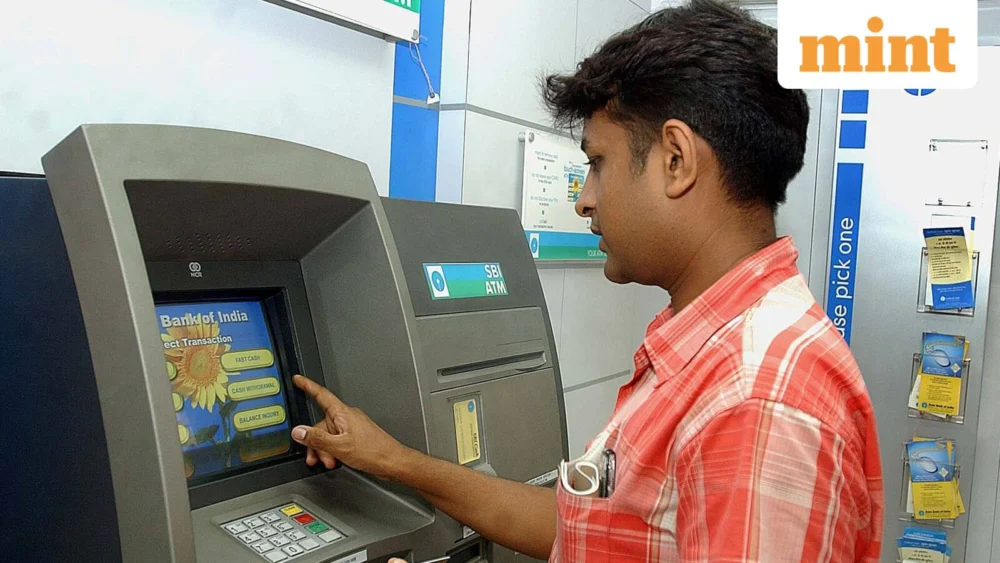
The economic implications of such a widespread disruption, even for a single day, are not trivial. India’s banking sector processes trillions of rupees in transactions daily. A conservative estimate suggests that a one-day strike could stall transactions worth anywhere from ₹15,000 crore to ₹25,000 crore (approximately $2 billion to $3.3 billion), impacting everything from corporate treasury operations and interbank lending to retail payments and government disbursements. Small and Medium Enterprises (SMEs), often reliant on daily cash flow and timely bank services for payroll and supplier payments, are particularly vulnerable. Farmers, daily wage earners, and individuals in semi-urban and rural areas with limited access to digital banking alternatives face immediate inconvenience and potential financial strain. While digital payment platforms like UPI and internet banking remained operational, their efficacy is often contingent on initial funding or complex transactions that necessitate physical branch interactions. ATM cash availability also faced localized issues due to logistical delays in replenishment cycles, further exacerbating public inconvenience.
At the core of the UFBU’s industrial action is the demand for the immediate implementation of a five-day work week across all public sector banks. This long-standing demand seeks to declare all Saturdays as holidays, moving away from the current system where banks operate on the first, third, and fifth Saturdays of each month. Union representatives argue that this change would significantly improve work-life balance for employees, aligning India’s banking sector with global best practices observed in many developed economies. They point to an alleged agreement reached during the 12th Bipartite Settlement signed with the Indian Banks’ Association (IBA) in March 2024, which reportedly included this provision but is still awaiting official government notification. The conciliation meeting held on January 23rd with the chief labour commissioner failed to produce a positive outcome, leading directly to the strike call.

The unions emphasize that a five-day work week is a reasonable expectation for a modern workforce, especially given the increased stress and workload on banking personnel, often compounded by aggressive targets and customer service pressures. They also highlight that many other sectors in India, including government offices and some private enterprises, already adhere to a five-day schedule. Furthermore, they contend that the advancements in digital banking technologies should mitigate concerns about reduced customer access, as a substantial portion of routine transactions can now be completed remotely.
However, the transition to a five-day work week is not without its complexities for the Indian banking system. The IBA and government bodies must weigh the benefits of improved employee morale against potential impacts on customer service, particularly in regions with lower digital adoption rates. There are concerns about how a compressed work week might affect productivity, operational costs, and the overall pace of financial inclusion efforts, especially in rural and remote areas where physical branches are often the only point of contact for financial services. Implementing such a change requires comprehensive logistical planning, potential staff reallocation, and a robust digital infrastructure to ensure seamless service delivery.
In stark contrast to the public sector, private sector banks such as HDFC Bank, ICICI Bank, IDFC First Bank, and Axis Bank continued their operations normally. Their employees are typically not part of the unions affiliated with UFBU, rendering them immune to this particular strike. This dichotomy often leads to a temporary shift in customer traffic towards private banks during such disruptions, highlighting the competitive landscape and the differing industrial relations frameworks within India’s dual banking structure. While private banks absorb some of the immediate demand, their reach and capacity cannot fully compensate for the vast network and customer base of the public sector.
The historical context of bank strikes in India reveals a long-standing tradition of union activism aimed at securing better working conditions and remuneration. The banking sector has witnessed numerous strikes over the decades, ranging from demands for wage revisions and pension reforms to protests against privatization and mergers. These actions often serve as a powerful tool for unions to exert pressure on management and government, underscoring the collective bargaining strength of a large, organized workforce. While each strike has its specific triggers, they collectively reflect the ongoing negotiations and power dynamics within a vital economic sector.
Looking ahead, the resolution of the five-day work week demand will likely involve further rounds of negotiation between UFBU, the IBA, and potentially government intervention. The outcome could set a precedent for industrial relations within the broader financial sector. Beyond the immediate inconvenience, the strike prompts a deeper reflection on the future of banking in India – a future where digital transformation and physical presence must coexist effectively. While digital platforms have undoubtedly revolutionized access and efficiency, the human element in banking, especially for complex transactions, financial advisory, and serving vulnerable populations, remains indispensable. The challenge lies in balancing the legitimate aspirations of the workforce with the imperative of maintaining an efficient, accessible, and robust financial system essential for India’s sustained economic growth and stability. The ongoing dialogue around the five-day work week is thus more than just an HR issue; it is a critical component of India’s evolving economic and social fabric.