The breach of the $5,000 per ounce threshold by gold marks a watershed moment in modern financial history, signaling a profound shift in the global perception of risk, currency stability, and the long-term viability of the existing monetary order. For decades, gold was viewed as a relic of a bygone era or a niche hedge against inflation, but its rapid ascent to this unprecedented valuation reflects a convergence of systemic pressures that have left investors seeking the ultimate form of financial sanctuary. This rally is not merely a localized spike in commodity prices; it is a loud, ringing endorsement of "hard money" in an age characterized by staggering sovereign debt, persistent geopolitical fragmentation, and a fundamental reassessment of the US dollar’s role as the world’s primary reserve currency.
The primary catalyst for this historic move is a pervasive sense of global turmoil that spans multiple continents and domains. Geopolitical tensions, once localized or contained, have morphed into a series of interconnected conflicts that threaten the stability of international trade and energy supplies. From the protracted hostilities in Eastern Europe to the deepening instability across the Middle East and the simmering trade frictions in the Indo-Pacific, the "peace dividend" of the post-Cold War era has effectively evaporated. Investors are no longer pricing in temporary disruptions but are instead bracing for a prolonged period of "polycrisis," where traditional diplomatic channels appear increasingly ineffective at mitigating the risk of large-scale escalation.
Central banks have played a pivotal role in underpinning this price surge, transitioning from net sellers to aggressive accumulators of bullion. This institutional demand is driven by a strategic imperative to "sanction-proof" national reserves. Following the freezing of foreign exchange assets in recent geopolitical conflicts, many emerging market economies have recognized the vulnerability of holding paper assets denominated in Western currencies. The People’s Bank of China, the Reserve Bank of India, and various monetary authorities across Southeast Asia and the Middle East have significantly increased their gold holdings, viewing the yellow metal as the only asset that carries no counterparty risk and cannot be "turned off" by a foreign power. This structural shift in central bank behavior has created a high floor for prices, as sovereign buyers prioritize security and sovereignty over yield.
On the macroeconomic front, the move to $5,000 is deeply rooted in the deteriorating fiscal health of the world’s leading economies. Global debt levels have reached staggering heights, with the United States’ national debt alone surpassing $34 trillion. As interest payments on this debt begin to consume a larger share of national budgets, concerns regarding "fiscal dominance"—a scenario where the central bank is forced to keep interest rates low to prevent government insolvency—have intensified. In such an environment, the traditional relationship between gold and interest rates begins to decouple. Historically, higher interest rates made non-yielding gold less attractive; however, when those rates are perceived as insufficient to compensate for the underlying risks of currency debasement and inflation, gold becomes the preferred store of value regardless of the yield environment.
Inflationary pressures, while fluctuating in the short term, remain a structural concern for long-term capital allocators. The era of cheap energy, cheap labor, and cheap goods—facilitated by hyper-globalization—is being replaced by a more expensive landscape of "near-shoring" and "friend-shoring." As supply chains are redesigned for resilience rather than just efficiency, the structural costs of production are rising globally. Gold’s performance reflects a market realization that the "2% inflation target" pursued by central banks may be a relic of the past, and that a higher-inflation regime is the likely price for a more fragmented and securitized global economy.
The psychological impact of the $5,000 milestone cannot be overstated. In the world of technical analysis and market sentiment, large round numbers often act as magnets and then as springboards. For years, the $2,000 level was seen as a formidable ceiling; once breached and sustained, the path to $5,000 was paved by a mixture of institutional FOMO (fear of missing out) and a retail rush into physical gold and gold-backed Exchange Traded Funds (ETFs). Wealth managers who previously allocated only 1% to 2% of portfolios to precious metals are now being forced by client demand and market reality to reconsider those weightings, with some advocating for 10% or higher as a "tail-risk" insurance policy.
The impact of this surge extends far beyond the trading floors of London and New York. For the mining industry, $5,000 gold has transformed the economics of extraction. Deposits that were previously deemed marginal or unviable due to high operational costs or low grades are now being fast-tracked for development. However, this "gold rush" faces its own set of challenges, including rising ESG (Environmental, Social, and Governance) requirements, increasing resource nationalism in mining-heavy jurisdictions, and the soaring costs of machinery and skilled labor. While the high price of gold provides a massive windfall for major producers, it also invites greater scrutiny from governments looking to increase royalties and taxes to patch their own fiscal deficits.
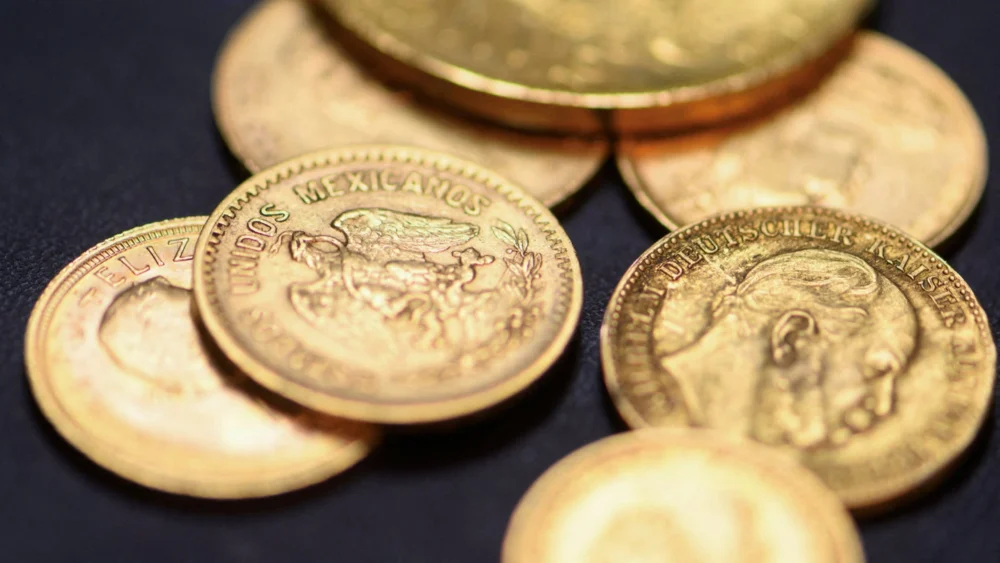
In the retail sector, the surge has led to a fascinating divergence in behavior. In Western markets, there has been a significant increase in the sale of "fractional" gold—smaller coins and bars—as middle-class investors seek to protect their savings from the erosion of purchasing power. In contrast, in traditional gold-consuming nations like India and China, the high price has acted as a double-edged sword. While it has increased the nominal wealth of households that already hold significant gold jewelry, it has also dampened new demand for weddings and festivals, leading to a shift toward lower-carat alternatives or synthetic gemstones. Yet, even in these markets, the "investment" motive is beginning to outweigh the "consumption" motive, as citizens prioritize capital preservation over ornamentation.
The economic implications of $5,000 gold also serve as a barometer for the health of the US dollar. For nearly a century, the dollar has reigned supreme, but the current gold rally suggests a growing "trust deficit" in the greenback. While no single currency is currently positioned to replace the dollar, the move toward gold represents a "vote of no confidence" in the ability of any fiat currency to maintain value over the long term. This has led to renewed discussions about a "multipolar" monetary system, where gold could potentially serve as a neutral anchor for trade settlements between nations that do not wish to rely on the dollar-based SWIFT system.
Looking ahead, the trajectory of gold will likely remain tethered to the volatility of the geopolitical landscape and the transparency of central bank balance sheets. If global tensions de-escalate and major economies find a path toward fiscal consolidation, gold could see a period of consolidation or a healthy correction. However, the structural drivers—de-dollarization, sovereign debt levels, and the end of the low-inflation era—appear to be deeply entrenched. The breach of $5,000 may not be the peak of a bubble, but rather the beginning of a new baseline in a world where "safety" is the most expensive and sought-after commodity in the global marketplace.
Ultimately, gold’s ascent is a mirror held up to the state of the world. It reflects a collective anxiety about the future and a desire for something tangible in an increasingly digital and debt-laden financial system. As the world navigates this era of unprecedented turmoil, the yellow metal has once again asserted its status as the "ultimate insurance policy." Whether gold continues its climb or stabilizes at these lofty heights, the message from the markets is clear: the old rules of economic stability no longer apply, and the search for a secure anchor in a stormy global sea has led the world back to its oldest and most trusted asset.