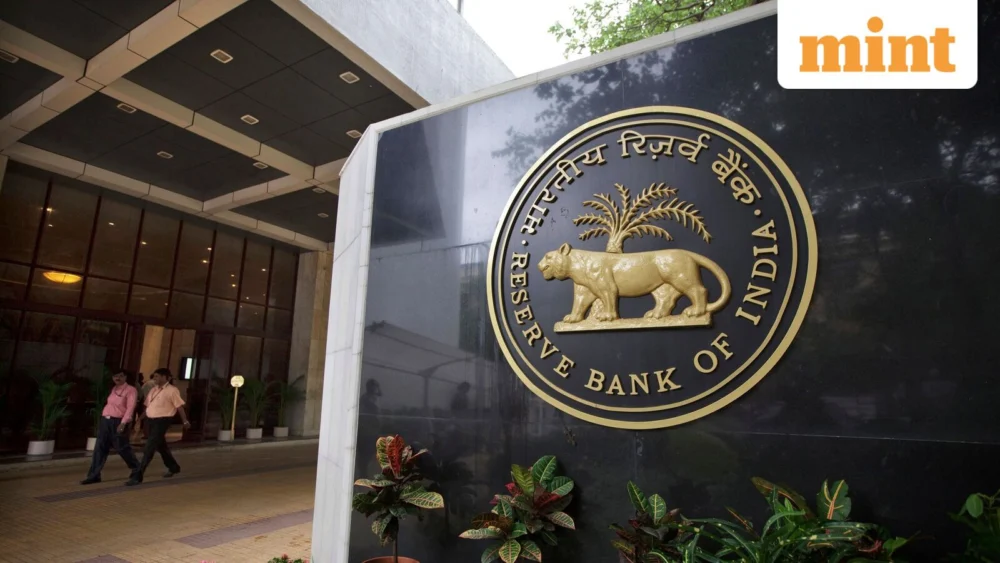
As India prepares to commemorate its 77th Republic Day on Monday, January 26, the nation’s vast financial machinery will observe a mandated pause, with all commercial banks across the country closing their physical branches. This nationwide holiday, enshrined in the Reserve Bank of India’s (RBI) official calendar, ensures a uniform cessation of over-the-counter banking services for both public and private sector lenders, including behemoths like State Bank of India, HDFC Bank, ICICI Bank, Axis Bank, and Punjab National Bank. The closure aligns with the profound historical significance of the day, marking the adoption of the Indian Constitution in 1950 and the nation’s transition into a sovereign republic. While the traditional brick-and-mortar banking operations will halt, the evolving landscape of digital finance ensures that essential monetary transactions remain largely uninterrupted, a testament to India’s rapid advancements in fintech infrastructure.
Republic Day, a cornerstone of India’s national identity, is observed with widespread patriotic fervour, culminating in the iconic parade along Kartavya Path in New Delhi. This year, the holiday’s placement on a Monday creates an extended three-day weekend for many, following the fourth Saturday (January 24) and the regular Sunday off. Such long weekends typically trigger shifts in consumer behaviour, often boosting sectors like tourism, hospitality, and retail as urban populations engage in leisure activities or travel. However, for businesses reliant on physical banking services, particularly those involved in large-scale cash transactions, international trade finance, or urgent cheque clearances, the closure necessitates careful planning and a reliance on digital alternatives. The uniform nature of this national holiday contrasts with regional bank holidays, which often vary by state and can lead to uneven operational impacts across the country.
The economic implications of a national bank holiday are multifaceted. On one hand, the closure of physical branches can temporarily slow down certain aspects of the economy, such as the processing of large commercial loans, real estate transactions requiring physical document verification, or business-to-business payments that still rely on traditional instruments. Small and medium-sized enterprises (SMEs), particularly those in semi-urban and rural areas with limited digital penetration, might experience minor disruptions in their immediate cash flow management or vendor payments. On the other hand, the widespread availability and increasing adoption of digital banking services in India significantly mitigate these potential bottlenecks.
India has emerged as a global leader in digital payments, with platforms like the Unified Payments Interface (UPI) revolutionising transactional ease and speed. Launched in 2016, UPI has witnessed exponential growth, routinely processing over 10 billion transactions monthly, with transaction values frequently exceeding INR 15 trillion (approximately USD 180 billion). This robust digital infrastructure, complemented by services such as National Electronic Funds Transfer (NEFT), Immediate Payment Service (IMPS), and Real-Time Gross Settlement (RTGS), ensures that individuals and businesses can continue to send and receive money, pay bills, and manage accounts remotely, even when physical bank branches are shut. ATMs remain operational 24/7 for cash withdrawals and deposits, providing a crucial physical touchpoint for those who still prefer or require cash. The seamless functioning of these digital channels underscores the nation’s strategic push towards a less-cash economy and its resilience against operational pauses.

The RBI plays a pivotal role in maintaining financial stability and regulating the banking sector, including the declaration of bank holidays. Its calendar categorises holidays into various types, ensuring clarity for both banks and their customers. Beyond official holidays, however, the banking sector sometimes faces disruptions from industrial action. In a development that could extend the banking sector’s operational pause for public sector banks, employee unions have issued a notice for a nationwide strike on Tuesday, January 27, the day immediately following Republic Day. This proposed strike is primarily aimed at pressing for a long-pending demand for a five-day work week, alongside other issues related to wage revisions and working conditions.
The United Forum of Bank Unions (UFBU), an umbrella organisation representing several major bank employee associations, has been at the forefront of these demands. If the strike materialises, it would significantly disrupt public sector banking operations across the country, potentially affecting millions of customers who rely on these banks for various services. Public sector banks, which still constitute a substantial portion of India’s banking landscape, have already begun informing their customers about the potential service interruptions, advising them to complete urgent transactions beforehand or utilise digital platforms. This situation highlights the ongoing tension between traditional labour practices and the modernising imperatives of the financial industry, including the push for enhanced efficiency and customer-centric services. While private sector banks and newer fintech players would likely remain operational, a strike by public sector bank employees could still have a notable ripple effect on interbank transactions and certain government-related financial services.
The dynamic interplay between national holidays, digital advancements, and labour relations paints a complex picture for India’s banking sector. The consistent availability of digital services during holidays not only reflects technological progress but also contributes to financial inclusion, allowing a broader segment of the population to access banking facilities regardless of geographical or time constraints. However, challenges persist, particularly concerning the digital divide. Despite impressive strides in smartphone penetration and internet connectivity, a significant portion of the population, especially in rural areas or among the elderly, may still lack the necessary digital literacy or access to fully leverage online banking. This segment remains more vulnerable to disruptions caused by physical branch closures or strikes.
Globally, the approach to bank holidays varies. While many countries observe national holidays with bank closures, the robustness of digital alternatives differs. India’s integrated payment systems are often cited as a benchmark for efficiency and accessibility. The continued evolution of the banking sector, driven by innovation and regulatory foresight, aims to strike a balance between respecting national traditions and ensuring seamless financial operations. As India navigates its path towards becoming a USD 5 trillion economy, the reliability and resilience of its financial infrastructure, whether during national celebrations or potential industrial actions, will be paramount. The Republic Day closure, therefore, serves not just as a day of national observance, but also as a practical stress test for the nation’s increasingly digital-first financial ecosystem, while the looming strike on the subsequent day underscores the enduring human element in the machinery of finance.