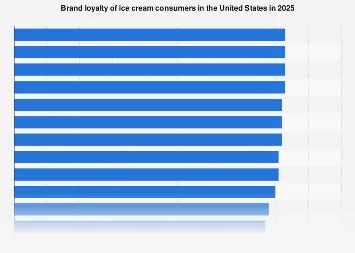
The U.S. ice cream market, a sector synonymous with comfort and indulgence, is experiencing a complex evolution in consumer loyalty as we move through 2025. While the allure of a frozen treat remains potent, the landscape of brand allegiance is increasingly fragmented, driven by a confluence of factors including evolving consumer preferences, the rise of niche offerings, and the ever-present influence of economic considerations. A comprehensive survey conducted between June 17 and December 15, 2025, involving 7,489 respondents who had consumed specific ice cream brands, offers a granular view into which names are capturing and retaining the hearts – and taste buds – of American consumers.
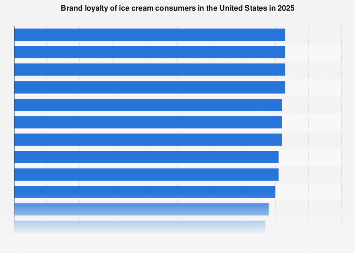
The data reveals a distinct tiering of brand loyalty, with a select group of premium and well-established brands demonstrating the strongest repeat purchase intent. Häagen-Dazs, Baskin-Robbins, Ben & Jerry’s, and Outshine emerge as frontrunners, each commanding a significant portion of consumers who indicate a likelihood to purchase their products again. While the exact percentages remain proprietary, the clustering of these brands at the apex suggests a shared ability to connect with consumers on multiple levels, likely encompassing perceived quality, unique flavor profiles, and strong brand narratives. These brands have historically invested in premium ingredients, innovative product development, and robust marketing campaigns that foster emotional connections, translating into a dependable base of repeat customers.
Häagen-Dazs, for instance, has long cultivated an image of sophisticated indulgence, leveraging high-quality dairy and artisanal flavor combinations. Baskin-Robbins, with its expansive menu of 31 flavors and a legacy of accessible indulgence, continues to tap into nostalgia and variety. Ben & Jerry’s has carved out a unique space by championing social responsibility alongside its distinctive, often whimsical, flavor creations, appealing to a segment of consumers who prioritize ethical consumption. Outshine, focusing on fruit bars, has tapped into the growing demand for perceived healthier alternatives within the frozen dessert category, offering a refreshing and vibrant option.
Conversely, the survey highlights brands that face a greater challenge in securing sustained consumer commitment. Good Humor, a brand with a long history in the American frozen treat landscape, registers the lowest reported loyalty, with a considerably smaller percentage of consumers expressing an intent to repurchase. This finding may reflect a variety of market dynamics. Good Humor’s product portfolio, often associated with more traditional ice cream novelties and simpler flavor profiles, might be struggling to compete with the perceived innovation and premiumization strategies of its more agile competitors. In a market increasingly driven by artisanal offerings and unique flavor experiences, brands that rely on a more conventional approach may find it harder to differentiate themselves and foster deep-seated loyalty.
The economic backdrop of 2025 undoubtedly plays a crucial role in shaping these loyalty patterns. With ongoing inflationary pressures and shifts in disposable income, consumers are likely to be more judicious in their spending, prioritizing brands that offer perceived value for money or a consistent, high-quality experience that justifies the price point. Premium brands that can successfully articulate their value proposition – be it through superior ingredients, unique taste experiences, or strong brand identity – are better positioned to maintain their loyal customer base. Conversely, brands perceived as commodities or those that haven’t kept pace with evolving consumer tastes might find themselves more vulnerable to price-sensitive decisions.
The methodology of the survey itself offers further insight. The online survey format, while broad in reach, is inherently self-selecting, potentially skewing results towards more digitally engaged consumers. The question posed, "When it comes to ice cream, which of the following brands are you likely to consume again in the future?" directly probes repurchase intent, a key indicator of brand loyalty. The allowance of multiple answers acknowledges that consumers often maintain allegiances to more than one brand, reflecting the diverse occasions and moods that drive ice cream consumption.
Globally, the trends observed in the U.S. ice cream market resonate with broader shifts in the food and beverage industry. In mature markets like Western Europe and parts of Asia, there’s a similar emphasis on premiumization, functional ingredients, and sustainability. Brands that can effectively communicate these attributes often see stronger consumer engagement. The rise of plant-based alternatives, for example, has created entirely new categories of loyalty, with consumers actively seeking out dairy-free options. While the current survey focuses on traditional ice cream consumption, the underlying drivers of brand preference – quality, taste, value, and increasingly, ethical considerations – are universal.
The economic impact of brand loyalty in the ice cream sector is substantial. High loyalty translates to predictable revenue streams, reduced marketing costs associated with customer acquisition, and a stronger competitive moat against new entrants. For the leading brands, this sustained patronage allows for continued investment in research and development, enabling them to stay ahead of market trends and introduce new products that reinforce their appeal. Conversely, brands experiencing lower loyalty face the challenge of higher customer churn, necessitating more aggressive promotional activities and a constant effort to win back consumers, which can strain profitability.
Looking ahead, the ice cream industry will likely see a continued emphasis on personalization and customization. Advances in data analytics and direct-to-consumer models may enable brands to tailor offerings and marketing messages to individual preferences, further solidifying loyalty. The intersection of technology and taste will be a critical battleground, with brands that can leverage digital platforms to enhance the customer experience and gather deeper consumer insights poised for greater success. The survey data from 2025 serves as a valuable snapshot, underscoring the enduring power of quality and brand connection, while also signaling the dynamic nature of consumer allegiances in a constantly evolving marketplace. The brands that can adapt, innovate, and consistently deliver on their promises are the ones that will continue to thrive and capture the enduring affection of the American ice cream consumer.