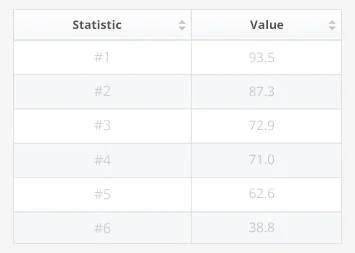
A significant proportion of young individuals in Italy have been subjected to various forms of violence, with bullying emerging as the most prevalent issue, according to a comprehensive survey conducted in January 2021, encompassing data from 2020. The findings reveal a disturbing landscape where nearly half of the surveyed youth, aged 13 to 23, reported experiencing bullying. This statistic underscores a critical societal challenge that demands urgent attention from policymakers, educators, and parents alike. The study, which surveyed 5,397 respondents, offers a granular view into the multifaceted nature of violence affecting this demographic, highlighting the pervasive impact of peer-on-peer aggression and other harmful interactions.
Beyond overt bullying, psychological violence inflicted by peers was also alarmingly common, affecting 42.23% of respondents. This suggests a deeply entrenched culture of interpersonal aggression within youth social circles, often manifesting through verbal abuse, social exclusion, rumor-mongering, and emotional manipulation. The insidious nature of psychological violence can have long-lasting detrimental effects on a young person’s self-esteem, mental health, and academic performance, often leaving invisible scars that are harder to address than physical injuries.
The digital realm also presents a significant arena for harm. A substantial 35.96% of young Italians reported receiving unwanted comments of a sexual nature from strangers online. This highlights the escalating problem of online harassment and the vulnerability of young people to predatory behavior in the digital space. Furthermore, cyber-bullying, a distinct but related form of online aggression, was reported by 15.97% of participants. The anonymity and reach of the internet can amplify the impact of bullying, allowing it to permeate daily life and create a constant sense of threat and insecurity.
The survey also shed light on the concerning prevalence of psychological violence perpetrated by adults, with 23.94% of young people reporting such experiences. This statistic is particularly troubling as it points to potential failures in safeguarding mechanisms within institutions or familial structures where adults are expected to provide protection and guidance. The erosion of trust in adult authority figures can have profound and lasting consequences for a young person’s development and their ability to navigate societal relationships.
Other forms of violence impacting Italian youth, as detailed by the survey, include threats of violence (15.18%), sexual harassment (14.67%), and a combination of physical or sexual violence from peers (9.08%). While these percentages may appear lower than those for bullying and psychological violence, they represent significant numbers of individuals enduring severe forms of harm. The prevalence of sexual harassment, even at 14.67%, indicates a pervasive issue that can significantly impact a young person’s sense of safety and autonomy.
The survey also identified more specific but serious forms of violence, such as stalking, experienced by 7.17% of respondents, and sextortion, affecting 6.54%. Sextortion, a particularly predatory form of crime where sexual favors are extorted in exchange for not sharing compromising images or information, poses a grave threat to young people, often leaving them trapped in a cycle of fear and exploitation. The presence of these specific criminal behaviors underscores the need for targeted interventions and robust legal frameworks to protect vulnerable youth.
Physical or sexual violence perpetrated by adults, though reported by a smaller percentage (5.63%), remains a critical concern. This category can encompass a range of abuses, from physical assault to sexual abuse, and its occurrence within adult-youth interactions signals a breakdown in fundamental protective duties. The "other" category, accounting for 15.38%, suggests that there are additional forms of violence or experiences not explicitly captured by the survey’s predefined categories, indicating the complexity and evolving nature of threats faced by young people.
These statistics paint a sobering picture, especially when viewed in a broader global context. While data collection methodologies and specific prevalence rates vary across countries, numerous international reports consistently highlight the widespread nature of violence against children and adolescents. For instance, UNICEF estimates that globally, one in three young people aged 13-15 have experienced bullying, and a significant number have been victims of online harassment. The Italian figures, while specific to the country, resonate with these global trends, suggesting that the challenges of safeguarding youth are a shared international concern.
The economic implications of youth violence are substantial, extending beyond immediate healthcare costs. Victims of violence often experience long-term consequences, including reduced educational attainment, increased likelihood of unemployment, mental health issues requiring ongoing treatment, and a higher propensity for engaging in risky behaviors. These individual struggles translate into broader societal costs, impacting workforce productivity, social welfare systems, and the overall economic potential of a nation. Investing in prevention programs and support services for young victims is not merely a social imperative but also a sound economic strategy.
Analyzing the Italian data, the high rates of bullying and psychological violence from peers suggest a need for enhanced social-emotional learning programs in schools, focusing on empathy, conflict resolution, and bystander intervention. Peer mediation programs, where trained students help resolve disputes, could be particularly effective. Furthermore, comprehensive anti-bullying policies that are consistently enforced are crucial.
The prevalence of online harassment and cyber-bullying necessitates a multi-pronged approach. Educational initiatives targeting digital literacy and responsible online behavior are essential for both young people and their parents. Collaboration between technology companies, law enforcement, and educational institutions is vital to combat online predators and ensure swift action against perpetrators of online abuse. Italy, like many other nations, must consider strengthening its legal framework to address the unique challenges posed by cybercrime and online exploitation of minors.
The finding of psychological violence from adults also points to the critical need for robust child protection systems. This includes thorough vetting of individuals working with youth, mandatory reporting protocols for suspected abuse, and accessible support channels for young people to report concerns without fear of reprisal. Training for professionals in sectors like education, healthcare, and social services on recognizing and responding to signs of abuse is paramount.
The specific data on sexual harassment, stalking, and sextortion highlights the urgency of specialized support services. These services should include confidential counseling, legal aid, and safe reporting mechanisms. Awareness campaigns targeting young people about their rights and available resources are also crucial.
In conclusion, the 2020 data from Italy reveals a concerning reality for its youth, where bullying and psychological aggression, both online and offline, are deeply entrenched issues. Addressing this complex web of violence requires a concerted and sustained effort from all sectors of society. By understanding the scope and nature of these problems, and by implementing evidence-based prevention and intervention strategies, Italy can work towards creating a safer and more supportive environment for its younger generation, ultimately fostering a healthier and more prosperous future for the nation.