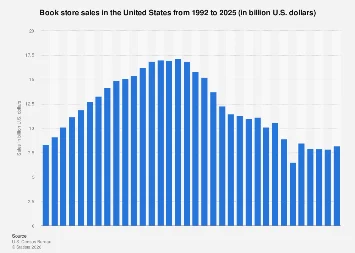
The American bookstore industry, long considered a bellwether for literary consumption and cultural engagement, is poised for a notable rebound, with sales projected to reach significant figures by 2025. This anticipated growth, detailed in recent market analyses, signals a dynamic shift from earlier anxieties surrounding the dominance of e-commerce and digital reading formats. Instead, it suggests a robust recalibration, where brick-and-mortar establishments are not only surviving but thriving by adapting to evolving consumer preferences and leveraging their unique strengths. The sector’s trajectory, moving from a period of contraction to one of renewed vigor, underscores the enduring appeal of the physical book and the immersive experience that bookstores provide.
Market forecasts indicate that the US book publishing industry, encompassing physical book sales, is on an upward trend. While precise figures for bookstore-specific sales in 2025 are still being refined, broader industry data points towards a healthy expansion. For instance, the overall book market, which includes print, e-books, and audiobooks, has demonstrated resilience. In recent years, print sales have consistently held their ground, often outperforming digital formats in terms of unit volume and revenue for many publishers. This trend is crucial for understanding the future of bookstores, as they are the primary conduits for print book distribution. Industry reports have highlighted that the pandemic, while initially disruptive, paradoxically spurred a renewed interest in reading and, by extension, in purchasing physical books. This resurgence in demand for tangible reading material directly benefits bookstores, providing them with a solid foundation for growth.
Several converging factors are contributing to this optimistic outlook. Firstly, the "shop local" movement has gained considerable traction, with consumers increasingly recognizing the cultural and economic value of independent bookstores within their communities. These establishments are more than just retail spaces; they serve as cultural hubs, hosting author events, book clubs, and children’s story times, fostering a sense of belonging and intellectual engagement that online retailers cannot replicate. This community-centric approach builds customer loyalty and drives foot traffic, translating into tangible sales. Furthermore, independent bookstores have become adept at curating unique selections, offering personalized recommendations, and creating inviting browsing environments that appeal to a demographic seeking experiences beyond mere transactional purchases.
Secondly, publishers and booksellers have collaborated to enhance the in-store experience. This includes thoughtful store design, comfortable reading nooks, and integrated café services, transforming bookstores into destinations for leisure and discovery. The tactile pleasure of browsing shelves, the serendipity of finding an unexpected gem, and the human interaction with knowledgeable staff are all elements that contribute to the allure of the physical bookstore. Data from industry associations consistently shows a correlation between engaging store environments and increased customer dwell time, which often leads to higher purchase rates. This emphasis on experience is a strategic response to the convenience offered by online shopping, effectively differentiating the brick-and-mortar offering.
The economic impact of this projected growth extends beyond the bookstores themselves. A thriving bookstore sector supports a wider ecosystem, including publishers, distributors, authors, and related service industries. For local economies, bookstores contribute to job creation, tax revenue, and the vibrancy of commercial districts. They often serve as anchors, drawing shoppers to other nearby businesses. The economic ripple effect of increased bookstore sales can be substantial, bolstering local economic health and contributing to a more diversified retail landscape.
Globally, the US book market’s performance is being watched closely. While some European markets have also seen print sales stabilize or grow, the US market’s scale and dynamism make its trends particularly influential. Countries like the United Kingdom and Germany have also witnessed a sustained demand for physical books, suggesting a broader, international trend towards valuing print in the digital age. However, the US market, with its diverse population and significant consumer spending power, often leads the way in adopting and shaping new retail dynamics. The ability of US bookstores to adapt their business models, incorporating online sales channels while emphasizing their physical presence, provides a blueprint for similar retailers worldwide.
Statistics from market research firms often break down book sales by format and channel. While precise 2025 projections for bookstores specifically are proprietary and subject to ongoing analysis, trends in the broader book market offer a strong indication. For example, reports tracking overall book sales in the US have indicated a steady increase in print book revenue over the past few years, often attributed to the sustained popularity of genres like adult fiction and children’s books, which tend to have higher print sales. This suggests that the physical bookstore remains a primary, if not dominant, channel for these categories. The data also points to a segmentation in consumer behavior, where dedicated readers often engage with multiple formats, but the ritual and enjoyment derived from physical books continue to drive significant sales through bookstores.
The competitive landscape for bookstores is evolving, with larger chains and independent stores employing distinct strategies. Major retailers are focusing on expanding their offerings to include complementary products, such as stationery, gifts, and educational toys, while also investing in digital platforms to facilitate online ordering and in-store pickup. Independent bookstores, on the other hand, are doubling down on their unique identity, fostering niche communities, and leveraging their agility to respond to local tastes and trends. This dual approach, catering to both broad market appeal and specialized interests, contributes to the overall health and diversity of the bookstore sector.
Looking ahead, the integration of technology will continue to play a crucial role. Bookstores are increasingly using data analytics to understand customer preferences, optimize inventory, and personalize marketing efforts. Loyalty programs, targeted email campaigns, and social media engagement are becoming standard tools for building and maintaining customer relationships. Furthermore, the development of user-friendly e-commerce websites that seamlessly integrate with physical store operations allows customers to browse online, reserve books for pickup, or have them delivered, bridging the gap between digital convenience and the tangible bookstore experience. This omnichannel approach is not just a trend but a necessity for future success.
The projected sales figures for US bookstores in 2025, therefore, represent more than just a financial metric; they symbolize the industry’s capacity for innovation and adaptation. They highlight the enduring power of the printed word and the irreplaceable value of community-oriented retail spaces. As the sector continues to navigate the complexities of the modern marketplace, its ability to blend tradition with innovation, community with commerce, and the physical with the digital, positions it for sustained success and a vibrant future. The renaissance of the American bookstore is not just about selling books; it’s about selling stories, fostering connections, and enriching lives, one page at a time.