As the digital tablet market matures, the underlying operating system software continues to be a critical determinant of user experience, device functionality, and ultimately, market share. Projections for the global Android tablet ecosystem through the second quarter of 2026 indicate a sustained, albeit fragmented, dominance for Google’s mobile operating system. Analysis of market data reveals a dynamic shift in the prevalence of specific Android versions, with newer iterations steadily gaining traction while older ones recede into obsolescence. This evolution is not merely a technical upgrade cycle but reflects broader trends in hardware innovation, consumer adoption patterns, and the strategic rollout of new features and security enhancements by device manufacturers and Google itself.
The Android operating system, known for its open-source nature and wide adoption across a diverse range of hardware manufacturers, commands a significant portion of the tablet market. However, the strength of Android lies not in a monolithic platform but in its continuous evolution through version updates. Each new iteration aims to refine user interface elements, bolster security protocols, improve power efficiency, and introduce innovative functionalities that appeal to both individual consumers and enterprise users. The projected data for the period leading up to mid-2026 illustrates this ongoing process of version migration.
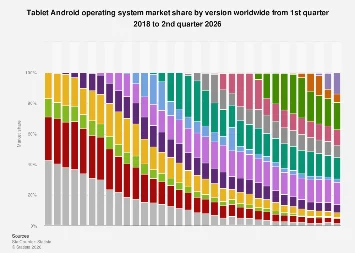
In the projected landscape of the second quarter of 2026, Android 14 is anticipated to hold the largest segment of the global Android tablet operating system market. This position signifies the widespread adoption of this relatively recent version, suggesting that a substantial number of devices will have either shipped with Android 14 pre-installed or have successfully undergone software updates. The success of a specific Android version is often correlated with the lifecycle of the hardware it runs on, the manufacturer’s commitment to providing timely updates, and the perceived value of the new features introduced. For Android 14, this likely includes enhanced privacy controls, improved performance optimizations, and potentially new features tailored for larger screen devices, a key focus for the tablet form factor.
In stark contrast to the leading position of Android 14, older versions of the operating system are projected to see a precipitous decline in their market share. For instance, Android 9 Pie, a version that has been in circulation for several years, is expected to occupy a considerably smaller percentage of the market by the second quarter of 2026. This decline is a natural consequence of the software development lifecycle. As new versions are released, older ones become more susceptible to security vulnerabilities that are no longer patched, and they may not support the latest applications or hardware advancements. Furthermore, manufacturers typically cease providing software updates for devices running older Android versions, encouraging users to upgrade to newer hardware or, at the very least, to more recent software if supported.
The fragmentation of the Android ecosystem, a characteristic that has long defined its market presence, is evident in the projected data. While Android 14 is expected to lead, other versions will continue to coexist, albeit with diminishing shares. This means that developers and businesses must consider a range of Android versions when designing and deploying applications, a challenge that differs significantly from the more unified iOS ecosystem. The ability to cater to a broad spectrum of Android versions ensures wider reach and accessibility, but it also necessitates a more complex development and testing process.

Several factors contribute to the observed trends in Android version adoption on tablets. The tablet market, while not experiencing the explosive growth of its early years, remains a significant segment of the mobile computing landscape. Devices range from budget-friendly models for casual use to high-end professional tools for creative work and enterprise applications. This diversity in hardware capabilities and price points directly influences the software update capabilities of devices. For instance, entry-level tablets might be slower to receive updates, or may not receive them at all beyond a certain point, leading to a longer tail of older Android versions in use.
Moreover, the strategic approach of major tablet manufacturers, such as Samsung, Amazon, Lenovo, and others, plays a crucial role. Their commitment to delivering timely and consistent software updates is a key differentiator. Manufacturers that invest in robust software support, including extended update cycles, can help maintain a higher proportion of their user base on more recent and secure Android versions. This, in turn, can enhance customer loyalty and brand reputation. The push towards tablet-specific features and optimized user interfaces within Android versions, often spearheaded by Google’s own Pixel Tablet and adopted by third-party manufacturers, also incentivizes users to stay current with the latest software.
The economic implications of this evolving Android version landscape are substantial. For hardware manufacturers, the cost and complexity of supporting multiple Android versions represent a significant operational consideration. Balancing the development of new hardware with the ongoing support for existing software requires careful resource allocation. For app developers, the continued presence of older Android versions necessitates maintaining backward compatibility, which can increase development costs and complexity. However, the sheer scale of the Android user base, even with fragmentation, makes it an indispensable platform for reaching a global audience. The projected market share data for Android 14 and the declining shares of older versions suggest that the focus for developers will increasingly shift towards optimizing for newer functionalities and security features present in the latest releases, while still ensuring a baseline level of support for a significant portion of the existing user base.
Globally, the adoption rates of specific Android versions can vary by region, influenced by factors such as economic development, consumer purchasing power, and the prevalence of specific device models. In emerging markets, where the lifecycle of devices might be longer and the purchase of new hardware may be less frequent, older Android versions could persist for a more extended period. Conversely, in developed markets with higher disposable incomes and a quicker replacement cycle for consumer electronics, newer versions are likely to gain traction more rapidly. This regional variability adds another layer of complexity to the global Android tablet market analysis.
Looking ahead, the trajectory of Android tablet operating system market share will be shaped by several key developments. Google’s continued investment in optimizing Android for larger screens and foldable devices will likely influence future version adoption. The increasing competition from other operating systems and device categories, such as ChromeOS-powered devices and even Windows tablets, will also exert pressure on Android manufacturers to deliver compelling software and hardware experiences. The ongoing trend of device convergence, where tablets increasingly function as personal computers, will further elevate the importance of robust operating system features and seamless integration with other devices and cloud services.
In conclusion, the projected market share data for Android tablet operating systems through mid-2026 paints a picture of a dynamic and evolving ecosystem. While Android 14 is set to lead, the continued presence of multiple versions underscores the inherent fragmentation of the platform. This ongoing evolution presents both opportunities and challenges for manufacturers, developers, and consumers alike, shaping the future of tablet computing and its role in our increasingly digital lives. The ability of Google and its hardware partners to navigate this complex landscape, delivering secure, feature-rich, and accessible software experiences, will be paramount to maintaining and expanding Android’s influence in the global tablet market.