
South Korea’s pay-television market is poised for a significant evolution by 2025, with projections indicating a dynamic shift in subscriber preferences across various formats. While traditional cable and satellite services have long dominated the entertainment consumption habits of Korean households, emerging digital platforms and changing viewing behaviors are reshaping this established order. Understanding these projected trends is crucial for broadcasters, content providers, and technology firms seeking to navigate the competitive and rapidly advancing South Korean media sector.
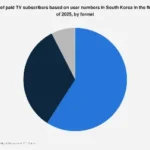
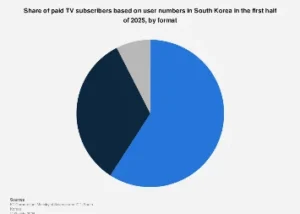
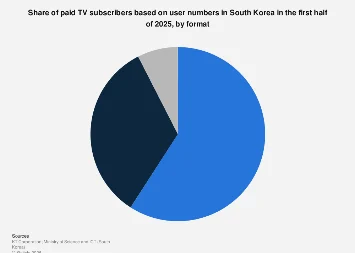
The anticipated landscape by 2025 suggests a nuanced picture of subscriber allocation. While specific numerical breakdowns for future market shares are subject to ongoing analysis and can fluctuate with technological advancements and consumer adoption rates, prevailing industry trends point towards sustained, albeit potentially plateauing, penetration for established pay-TV formats. Cable television, which has historically been the backbone of South Korean pay-TV, is expected to retain a substantial portion of the market. Its widespread infrastructure and established relationships with consumers provide a considerable advantage. However, its growth trajectory may be tempered by the increasing appeal of more flexible and on-demand viewing options.
Satellite television, while a significant player, has often faced challenges related to installation requirements and a perception of being less adaptable to rapid technological changes compared to terrestrial or IP-based services. Projections for 2025 likely anticipate a stable, or perhaps a slight, decline in its market share as consumers prioritize convenience and accessibility. The inherent limitations of satellite delivery in certain geographical areas or for specific content types might also contribute to this trend.
The most compelling narrative within the projected 2025 pay-TV market in South Korea revolves around the ascendance of Internet Protocol Television (IPTV). IPTV services, delivered over broadband internet connections, offer a convergence of traditional television viewing with the interactivity and on-demand capabilities characteristic of digital streaming. As South Korea boasts one of the world’s most robust and widespread broadband infrastructures, the growth of IPTV is a natural progression. By 2025, it is widely anticipated that IPTV will not only maintain its robust growth but potentially capture an even larger share of the pay-TV market, challenging the long-held dominance of cable. This is driven by several factors, including the seamless integration of high-definition and ultra-high-definition content, the ability to offer personalized viewing experiences, and the bundling of television services with high-speed internet and mobile plans by telecommunications giants.
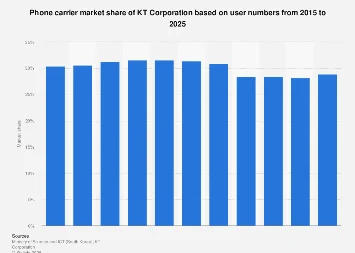
The appeal of IPTV lies in its inherent flexibility. Subscribers can often access a wider array of channels, on-demand content libraries, and interactive features, such as catch-up TV and personalized recommendations. Furthermore, the ability to watch content across multiple devices, including smart TVs, smartphones, and tablets, aligns perfectly with the mobile-first generation of South Korean consumers. Major South Korean telecommunications companies, such as KT, SK Broadband, and LG Uplus, have heavily invested in their IPTV platforms, offering competitive packages that often include exclusive content deals and advanced functionalities. This aggressive market strategy is expected to continue to drive subscriber acquisition and retention.
Beyond the established pay-TV formats, the broader digital media ecosystem, including over-the-top (OTT) streaming services, plays a crucial role in shaping overall entertainment consumption. While this article focuses on the pay-TV subscriber share by format, it is essential to acknowledge that the lines are increasingly blurring. Many IPTV providers now offer integrated access to popular global and local OTT platforms, effectively creating hybrid viewing experiences. This convergence means that a household might subscribe to an IPTV service but primarily consume content through integrated streaming apps. Therefore, the projected share of traditional pay-TV formats must be viewed within the context of this evolving digital media landscape.
The economic implications of these shifts are substantial. For traditional broadcasters and cable operators, maintaining market share will necessitate continued investment in content quality, technological innovation, and customer service. Adapting to the demand for on-demand viewing and multi-platform accessibility will be paramount. Conversely, telecommunications companies, with their strong broadband infrastructure and bundled service offerings, are well-positioned to benefit from the ongoing growth of IPTV. The increased adoption of IPTV also has implications for the broader digital economy, driving demand for network infrastructure upgrades, content delivery technologies, and innovative digital advertising models.
Global comparisons offer further perspective. Many developed markets are experiencing similar trends, with IPTV and OTT services gaining traction at the expense of traditional linear television. However, South Korea’s exceptionally high internet penetration rates and its population’s early adoption of new technologies suggest that these shifts may occur at a more accelerated pace compared to some other nations. The country’s digital savviness and its strong domestic content production capabilities also contribute to a unique market dynamic.
Looking ahead to 2025, the South Korean pay-TV market is unlikely to be characterized by a single dominant format but rather a complex interplay of established and emerging technologies. While cable and satellite will likely continue to serve a significant segment of the population, the sustained growth and increasing sophistication of IPTV services are expected to define the near-term future of pay-television in the country. The ability of providers to offer seamless, integrated, and personalized entertainment experiences across all devices will be the key determinant of success in this dynamic and fiercely competitive market. This ongoing transformation underscores the need for continuous adaptation and strategic foresight within the South Korean media industry.