

China’s once-dominant department store sector is confronting a critical period as it heads towards 2025, grappling with a confluence of profound market shifts that threaten its established business models. The traditional brick-and-mortar retail giants, long the cornerstone of Chinese urban commerce and a symbol of consumer aspiration, are now at a crossroads, compelled to adapt or risk obsolescence in an increasingly digital and experience-driven economy. This pivotal year will likely define the future trajectory of these retail titans, testing their resilience against a backdrop of evolving consumer behavior, fierce competition, and the relentless march of e-commerce.
For decades, department stores in China served as more than just shopping destinations; they were cultural hubs, offering a curated selection of goods, a sense of occasion, and a tangible connection to global brands. However, the past decade has witnessed a seismic transformation in the retail environment. The meteoric rise of online platforms, spearheaded by giants like Alibaba and JD.com, has fundamentally altered how Chinese consumers discover, purchase, and interact with products. These digital marketplaces offer unparalleled convenience, vast product assortments, competitive pricing, and personalized shopping experiences that traditional department stores have struggled to replicate.
The demographic shifts within China also present a significant challenge. The rise of a digitally native generation, accustomed to instant gratification and seamless online transactions, has lessened the allure of the traditional department store format for younger demographics. This cohort prioritizes authentic experiences, social engagement, and brands that resonate with their values, often finding these elements more readily in niche online communities, social commerce platforms, and experiential retail spaces. Furthermore, the increasing affluence and discerning tastes of Chinese consumers mean they are no longer satisfied with a generic offering; they demand personalization, exclusivity, and brands that tell a compelling story.
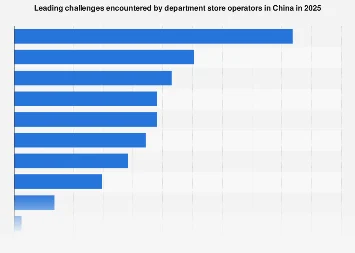
Statistics paint a stark picture of the pressure on this sector. While specific comprehensive forward-looking data for the entire department store sector in China for 2025 is still emerging, historical trends and expert analyses point towards continued challenges. Reports from market research firms have indicated a stagnation or even decline in sales for many traditional department stores in recent years, particularly those that have been slow to innovate. The retail landscape is dynamic, with evolving consumer spending habits and a strong preference for value and experience over mere transaction.
The competitive pressure extends beyond e-commerce. The growth of specialized retail formats, such as lifestyle malls, outlet centers, and concept stores, further fragments the market. These newer retail environments often offer a more targeted and engaging shopping experience, catering to specific consumer segments with carefully curated brands and integrated entertainment or dining options. They represent a direct challenge to the broad-appeal, multi-category approach of traditional department stores, forcing them to reconsider their value proposition.
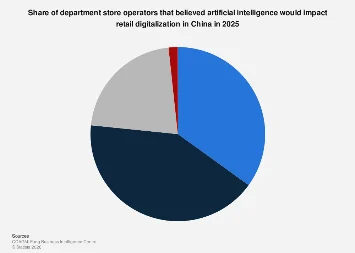
Economic analysts point to several key areas where department stores must innovate to survive and thrive. Firstly, the integration of digital technologies into the physical store experience is no longer optional but essential. This includes leveraging data analytics to understand customer preferences, implementing omnichannel strategies that seamlessly connect online and offline channels, and utilizing augmented reality (AR) or virtual reality (VR) to enhance product discovery and engagement. Stores that can offer personalized recommendations, easy click-and-collect services, and engaging in-store digital experiences will be better positioned to attract and retain customers.
Secondly, a fundamental shift in focus towards experiential retail is crucial. Consumers are increasingly willing to spend on experiences rather than just goods. Department stores need to transform their spaces into destinations that offer more than just shopping. This could involve incorporating high-quality dining establishments, entertainment venues, art installations, pop-up events, and even co-working spaces. Creating an engaging and memorable atmosphere that encourages customers to linger and interact with the brand, beyond a transactional encounter, is paramount.
Thirdly, merchandising strategies need a radical overhaul. The days of simply stocking a wide range of products are over. Department stores must become curators of desirable brands and unique offerings, focusing on quality, exclusivity, and storytelling. This might involve partnering with emerging designers, offering limited-edition collaborations, or creating private-label brands that embody the desired aspirational qualities. A strong emphasis on brand narrative and the emotional connection consumers have with products will be vital.
The financial implications of these challenges are significant. Declining foot traffic and sales necessitate a re-evaluation of operational costs, including rent, staffing, and inventory management. Many department stores are already undertaking restructuring efforts, optimizing store portfolios, and investing in digital transformation. However, the scale of investment required can be substantial, posing a hurdle for businesses with legacy systems and traditional operational structures. The cost of adapting to new technologies and creating compelling in-store experiences needs to be balanced against potential revenue growth.
Global comparisons offer further insights into the challenges faced by department stores worldwide. In mature markets like the United States and Europe, department stores have also struggled with the rise of e-commerce and changing consumer habits, leading to numerous store closures and bankruptcies. However, some have found success by focusing on niche markets, experiential retail, and strong brand identities. The successful examples often demonstrate agility, a willingness to experiment, and a deep understanding of their target customer. China’s department stores can learn from these global case studies, adapting strategies to their unique market dynamics.
The outlook for Chinese department stores by 2025 is one of intense competition and a demand for radical transformation. Those that can successfully pivot towards an experiential, digitally integrated, and highly curated retail model, while understanding and catering to the evolving desires of the modern Chinese consumer, stand a chance of not just surviving, but potentially thriving. The ability to blend the tangible appeal of a physical store with the convenience and personalization of the digital realm will be the ultimate determinant of success in this critical period. The coming years will undoubtedly be a test of strategic vision, operational agility, and a profound understanding of the future of retail.