India, a pivotal player in the global sugar economy, is witnessing a significant modernization drive within its traditional khandsari sugar manufacturing sector, aimed at bolstering regulatory oversight, enhancing data transparency, and ensuring fair compensation for millions of sugarcane farmers. This strategic move involves integrating a substantial majority of the country’s larger khandsari units onto the National Single Window System (NSWS), a digital platform designed to streamline governmental processes and provide a comprehensive, real-time view of industrial operations. This initiative marks a crucial step in formalizing a segment long operating with less stringent regulatory scrutiny, bringing it into alignment with the broader organized sugar industry.
Official data confirms that 51 of the 66 identified large khandsari units, those with crushing capacities exceeding 500 tonnes crushed per day (TCD), have successfully registered on the NSWS portal. This digital integration mirrors the existing system where all major sugar mills are already onboarded, creating a unified data ecosystem for the entire sugar value chain. The remaining 15 khandsari units are expected to complete their registration in the upcoming sugar season, typically commencing in October, indicating a concerted effort by central authorities to achieve full compliance across this critical segment. This digital migration is not merely an administrative exercise but a foundational shift intended to provide policymakers with unprecedented visibility into sugar production and supply dynamics.
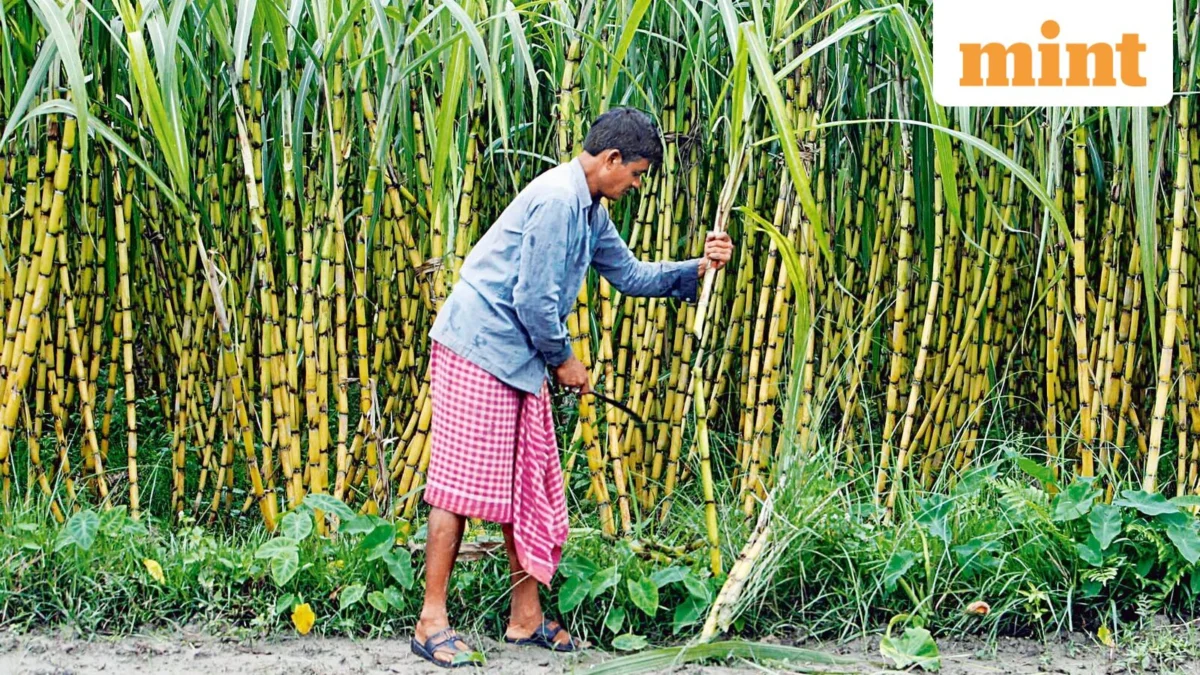
Khandsari units, characterized by their small-scale, traditional operations, produce unrefined sugar from sugarcane using relatively basic machinery. They represent a significant, albeit often decentralized, component of India’s vast sugar ecosystem, particularly important in rural economies where they provide local employment and a direct market for sugarcane growers. Historically, these units have operated with fewer regulatory requirements compared to large, integrated sugar mills, often leading to challenges in accurate production estimation, supply chain management, and ensuring equitable practices, especially concerning farmer payments. The current push to formalize their operations stems from a recognition of their collective impact on national sugar availability and farmer welfare.
The impetus for this enhanced oversight traces back to the Sugar (Control) Order, 2025, which became effective on May 1st. This landmark regulation, for the first time, extended government oversight to khandsari units exceeding the 500 TCD crushing capacity threshold. This targeted approach focuses on the larger players within the khandsari segment, which collectively account for approximately 55,200 TCD out of the total 95,000 TCD capacity distributed among India’s 370 operational khandsari units. The primary objectives of this regulatory expansion are multifaceted: to guarantee fair and remunerative prices (FRP) for sugarcane farmers, mitigate the risk of payment arrears, and significantly improve the accuracy of national sugar production estimates, which are vital for domestic policy and international trade decisions.
The National Single Window System (NSWS) serves as the digital backbone for this transformative initiative. Conceived as a pan-India platform to facilitate ease of doing business by consolidating various government clearances and approvals, its application to the sugar sector is designed to create a comprehensive, real-time database. This system will allow authorities to monitor sugarcane procurement, crushing operations, and sugar production figures from khandsari units with unprecedented precision. Such granular data is indispensable for effective policy formulation, enabling proactive interventions to manage supply, control prices, and ensure market stability. The ability to track the sector’s performance digitally will also help in identifying regional disparities and implementing targeted support programs.

For sugarcane farmers, the integration of khandsari units into the NSWS framework is expected to yield substantial benefits. As Ranbir Singh, president of the Saharanpur-based Kisan Nyay Morcha, a prominent farmers’ group, highlighted, bringing these units under a regulatory umbrella will significantly strengthen transparency in cane procurement. This formalization ensures mandatory adherence to the Fair and Remunerative Price (FRP) set by the government, protecting farmers from potential exploitation and delayed payments—a persistent issue in the unorganized sector. Professor Sudhir Panwar, a distinguished farm expert and former member of the Uttar Pradesh Planning Commission, echoed this sentiment, emphasizing that such measures are crucial for growers to receive equitable value for their produce and for bolstering the reliability of agricultural statistics.
The government’s intensified oversight of the sugar sector is part of a broader strategy to maintain adequate domestic availability and curb speculative activities that can distort market prices. Recently, the Centre imposed stockholding limits on sugar dealers until the end of November, a measure specifically aimed at discouraging hoarding and stabilizing prices during the festive season when demand typically surges. Integrating khandsari units into the NSWS complements these efforts by providing a more complete picture of the overall sugar supply, allowing authorities to better anticipate and respond to potential shortages or surpluses. This holistic approach is critical for a commodity as politically and economically sensitive as sugar, directly impacting both producer livelihoods and consumer budgets.
India stands as one of the world’s largest producers and consumers of sugar. According to data from the Indian Sugar and Bio-energy Manufacturers Association (ISMA), domestic sugar production reached 27.6 million tonnes as of July 15th. Industry projections anticipate total sugar production to hover around 28 million tonnes for the 2025-26 season, a figure roughly equivalent to India’s annual consumption. The consumption profile is diverse, with institutional demand from food and beverage companies, hospitality sectors, and processed food manufacturers accounting for a significant 60-65% of the total, while retail households constitute the remainder. Managing this delicate supply-demand balance is paramount, especially given India’s influential role in global sugar markets; any significant policy shift or production fluctuation in India can send ripples across international commodity exchanges.
The regional distribution of these khandsari units underscores their importance in key agricultural belts. Of the 52 large khandsari units operational during the 2025-26 sugar season, the majority are concentrated in Uttar Pradesh, followed by Maharashtra. These two states are the traditional powerhouses of India’s sugar industry, benefiting from fertile land, suitable climate, and extensive irrigation networks. The concentration of khandsari operations in these regions means that the formalization efforts will have a pronounced impact on a large segment of the rural population and agricultural economy. The ongoing drive to onboard the remaining 15 units, predominantly in these states, highlights the strategic focus on achieving comprehensive coverage in the major sugar-producing areas.
Looking ahead, the successful integration and effective utilization of data from khandsari units via the NSWS will be critical for the long-term health and stability of India’s sugar sector. While the initial compliance phase presents administrative challenges for the units, the overarching benefits of formalization—including better access to credit, improved market linkages, and a level playing field with larger mills—could outweigh the hurdles. The creation of a comprehensive database promises to enable more informed policy decisions regarding export quotas, import duties, and ethanol blending targets, which increasingly compete for sugarcane feedstock. This digital transformation signifies a profound commitment to modernizing an age-old industry, ensuring greater accountability, transparency, and sustainability for all stakeholders, from the farmer to the consumer, and solidifying India’s position as a responsible global agricultural powerhouse.