India’s ambitious drive towards a green energy future is facing an unforeseen economic paradox: the very success in deploying renewable capacity is triggering unprecedented plunges in wholesale electricity prices, threatening the financial viability of new projects and raising critical questions about the sustainability of the nation’s energy transition. Recent data from the Indian Energy Exchange (IEX) highlights a concerning trend, with real-time market (RTM) electricity prices repeatedly plummeting to near-zero levels, at times reaching as low as 9-10 paise per unit, and even touching zero during the June quarter. This drastic depreciation, particularly pronounced during periods of abundant solar and wind generation coinciding with weak daytime demand, casts a shadow over India’s target of achieving 500 gigawatts (GW) of non-fossil fuel capacity by 2030.
The core of the issue lies in the inherent characteristics of renewable energy sources combined with current market mechanisms. Solar and wind power have zero marginal operating costs, meaning once built, the cost to produce an additional unit of electricity is negligible. When these sources flood the grid, especially during peak solar hours, they displace more expensive conventional power, driving down market prices. Distribution companies (discoms), bound by long-term power purchase agreements (PPAs) that stipulate procurement costs typically exceeding ₹2 per unit for renewable power and over ₹3 per unit for firm and dispatchable renewable energy (FDRE) and hybrid projects, find themselves in a bind. Faced with a surplus of green power that exceeds local demand, they increasingly offload this electricity onto power exchanges at prices significantly below their acquisition costs, incurring substantial losses.
While only approximately 13% of the country’s total electricity is traded on power exchanges, with the majority still governed by long-term PPAs, the frequency and severity of these price drops are escalating. Data from the IEX indicates that real-time prices fell below ₹0.05 per unit 31 times in the first quarter of fiscal year 2026-27—eight days in April, fourteen in May, and nine in June—a stark increase from just six instances in the corresponding period a year ago. These instances, often observed around 1 PM when solar generation is at its peak, underscore a growing imbalance. While the average market-clearing prices for April, May, and June have, on an annual basis, remained higher this year (₹4.82, ₹4.16, and ₹4.36 per unit respectively) due to a general increase in overall electricity demand, the intraday volatility and specific instances of near-zero pricing are what concern investors and project developers.
For renewable energy projects, which entail significant upfront capital investment and relatively low operational costs, revenue stability is paramount. Ratul Puri, chairman of power developer Hindustan Power Ltd., articulated this concern, stating, "Any reduction in the ability to evacuate power due to transmission constraints, grid requirements or periods of very low market prices can impact project revenues and returns, particularly for projects with greater exposure to merchant markets." This is particularly true for independent power producers (IPPs) who might have merchant exposure beyond their PPA commitments, or for new projects where developers are increasingly asked to shoulder market price risks. The erosion of returns makes it harder to attract further investment, potentially slowing down the pace of renewable energy deployment needed to meet India’s ambitious climate targets.
Adding to the complexity is the dynamic interplay between soaring demand and price volatility. India’s peak power demand continues its upward trajectory, hitting a record 270.8 GW on May 21st and projected to reach 272 GW this fiscal year, with forecasts suggesting 300 GW by FY28. This escalating demand, however, masks extreme intraday fluctuations. A working paper by Sanjeev Sanyal, member of the Economic Advisory Council to the Prime Minister (EAC-PM), and Satvik Dev, joint director, titled "The Duck and The Camel: Tracing the Net Load on the Indian Power Grid," highlighted this dichotomy vividly. On May 21st, 2026, demand surged by an astonishing 46.7 GW in less than eight hours, from 224.1 GW at 8 AM to 270.8 GW at 3:45 PM—a load increase greater than the entire British grid’s peak draw in 2025.

Crucially, Sanyal and Dev noted that the moment of peak demand often does not align with the moment of peak price. On that same record-setting day, power cleared at just ₹1.56 per unit at 1 PM, but soared to the market ceiling of ₹10.00 per unit by 6:30 PM, after solar generation had faded. This illustrates the "camel curve" phenomenon, India’s unique adaptation of the "duck curve" observed in grids with high solar penetration, characterized by a sharp drop in net load during midday (when solar is abundant) and a steep ramp-up in the evening (when solar declines and conventional generation must quickly compensate). This significant gap between peak demand and peak price—a difference of more than six times for the same electricity within a few hours—creates immense operational challenges for grid operators and makes revenue forecasting exceedingly difficult for generators.
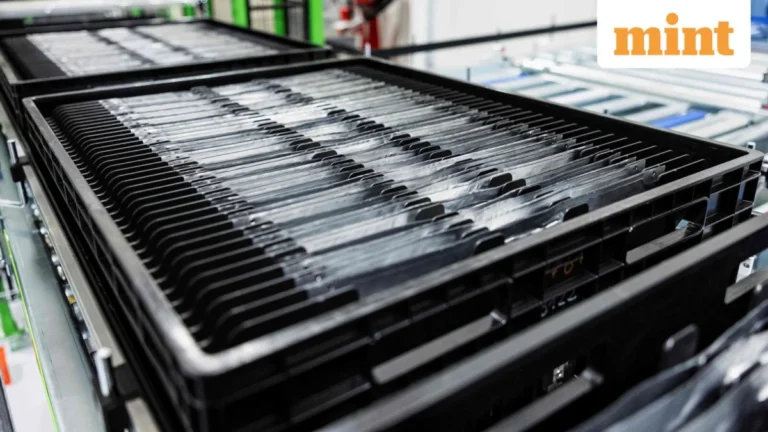
To navigate these intricate challenges, the strategic deployment of energy storage solutions has emerged as a critical imperative. Sanyal’s paper explicitly advocates for storing electricity when it is abundant and cheap, and releasing it when scarce and expensive. The Indian government is already intensifying efforts to boost battery energy storage system (BESS) adoption, recognizing their pivotal role in smoothing out demand-supply fluctuations and providing grid flexibility. Discoms across the country are initiating tenders for BESS, signaling a growing understanding of the technology’s importance. Beyond batteries, other flexibility options such as pumped-hydro storage, demand-side management, and grid modernization initiatives are also gaining traction to ensure grid stability and optimize resource utilization.
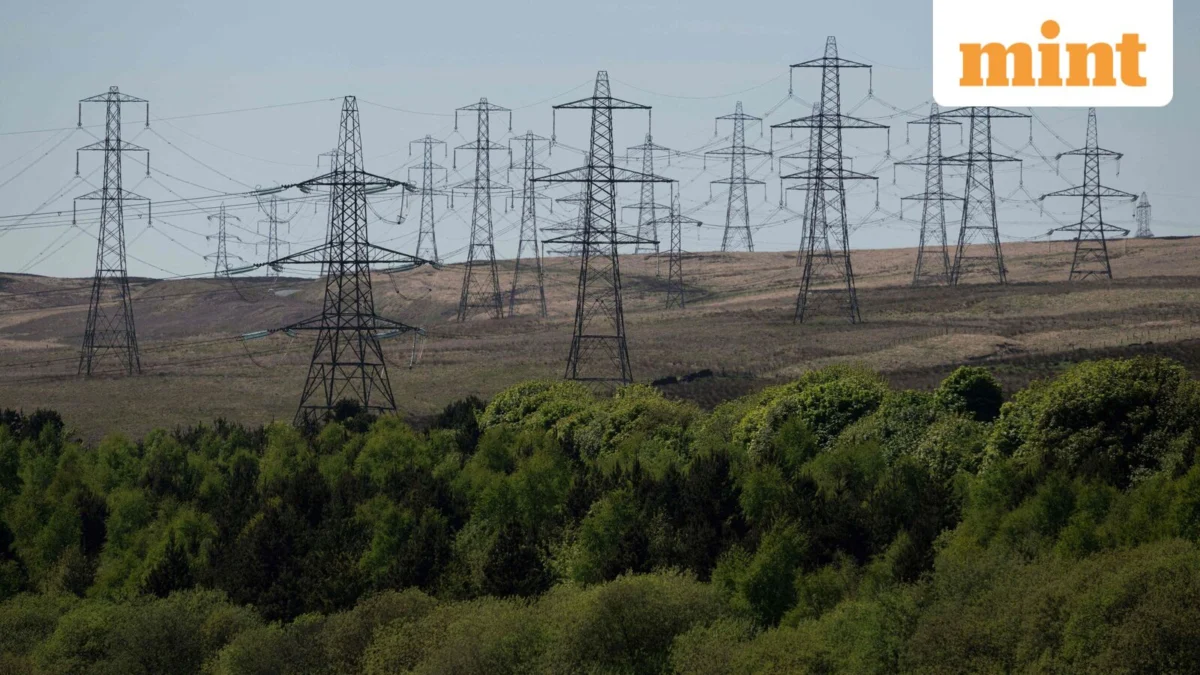
Market design reforms are also crucial. The shift towards Firm and Dispatchable Renewable Energy (FDRE) and hybrid projects, as noted by Anujesh Dwivedi, partner at Deloitte India, is a step in the right direction. These projects integrate renewables with storage or other dispatchable sources, offering greater predictability and grid support. However, broader reforms might be needed, including the introduction of capacity markets to ensure the availability of firm power, ancillary services markets to reward flexibility and grid stability, and time-of-use tariffs to incentivize consumers to shift demand away from peak hours. Additionally, investments in upgrading and expanding transmission infrastructure are vital to alleviate constraints that often lead to curtailment of renewable power and exacerbate localized price crashes.
India’s situation, while unique in its scale and speed of energy transition, mirrors challenges faced globally. Countries like Germany and the US state of California, early adopters of high renewable penetration, have also experienced periods of negative or near-zero electricity prices. Their experiences have led to policy adjustments, including improved forecasting, market reforms, and accelerated deployment of storage technologies and demand response programs. India can draw lessons from these global precedents to refine its own approach, ensuring that the economic incentives align with its environmental ambitions.
The financial health of discoms remains a key vulnerability. Their contractual obligation to purchase green power at higher PPA rates, coupled with the necessity to offload surplus power at dramatically lower, sometimes negligible, market prices, places immense strain on their balance sheets. This dynamic could perpetuate their financial fragility, potentially impacting their ability to invest in necessary infrastructure upgrades or even leading to higher consumer tariffs in the long run to cover these losses. Addressing this structural imbalance requires a holistic approach that considers the entire value chain, from generation and transmission to distribution and consumption.
Ultimately, India’s journey towards a sustainable energy future hinges on its ability to reconcile the economic realities of a rapidly transforming power market with its ambitious renewable energy targets. The near-zero price phenomenon, while a symptom of successful renewable deployment, serves as a powerful signal for urgent policy and market interventions. An integrated strategy encompassing enhanced energy storage, intelligent grid management, robust transmission infrastructure, and forward-looking market reforms will be critical to sustain investor confidence, ensure grid stability, and secure a truly green and economically viable energy future for India.