India is embarking on a pivotal phase in its electronics manufacturing journey, with a robust new incentive structure designed to propel domestic companies beyond mere assembly operations towards a future defined by indigenous research, product development, and the cultivation of competitive local brands. This strategic pivot, championed by the Ministry of Electronics and Information Technology (MeitY), introduces a crucial 3% additional incentive on sales for mobile phones that are not only manufactured within India but also designed, patented, and marketed under an Indian brand. The intent is clear: to foster a comprehensive electronics ecosystem capable of end-to-end value creation, rather than remaining a low-margin manufacturing hub.
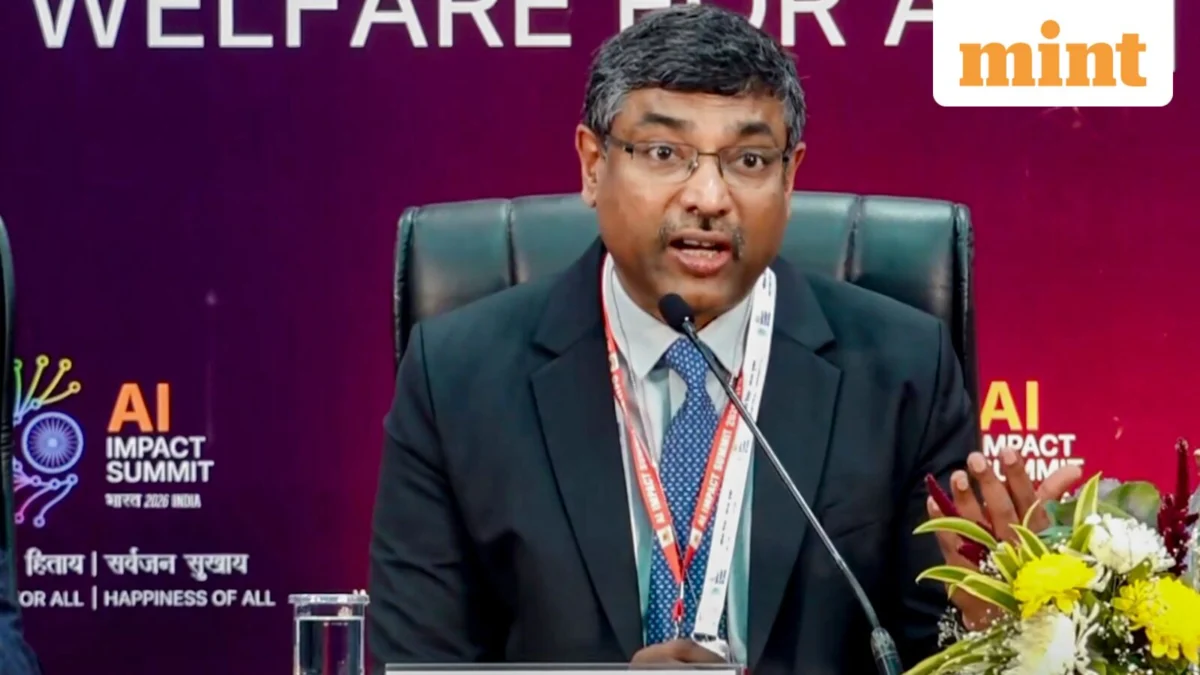
S. Krishnan, Secretary at MeitY, underscored the profound expectations tied to this initiative. He articulated that the "made in India" brand incentives are specifically engineered to encourage private firms to channel investments into research and development (R&D), thereby enhancing their margins and capabilities. The aspiration is for India’s electronics sector to simultaneously excel in design, manufacturing, and marketing, all while maintaining global competitiveness. This move signifies a conscious effort to address a critical gap identified in previous policy frameworks, where manufacturing scale was achieved, but the deeper strategic objectives of innovation and brand ownership remained largely elusive.
The new incentive programme, officially unveiled on July 15th with a substantial ₹62,500 crore outlay under the Mobile Phone Manufacturing Scheme (MPMS), is structured to significantly boost the profitability of local electronics manufacturers who commit to this elevated value proposition. It builds upon a base incentive of 2.25% to 5% for local manufacturing. An additional 1.5% is offered for sourcing key components domestically, and a further 3% is now available for companies that actively promote an indigenous brand within the country. This cumulative structure means a phone manufacturer developing its own brand could potentially earn an additional 9.5% of its turnover as incentives, a figure that dramatically alters the profitability landscape. To put this in perspective, leading Indian electronics manufacturers like Dixon Technologies reported an operating margin of approximately 3.4% in FY22-23. The new incentive could effectively triple or quadruple this margin, providing substantial capital for reinvestment into R&D, talent acquisition, and market expansion.
This layered incentive approach is a direct response to the limitations observed in earlier government schemes. The initial tranche of smartphone incentives, known as the Production-Linked Incentive (PLI) for Large Scale Electronics Manufacturing (LSEM), offered an outlay of ₹38,645 crore with incentives of 4-6% on total turnover, but crucially, lacked a localization clause or a strong emphasis on indigenous branding. While this scheme undeniably succeeded in scaling up manufacturing operations for companies such as Tata Electronics and Dixon Technologies, enabling them to generate significant annual revenues, it largely confined them to the role of contract assemblers. These firms, despite their growth, typically operated on thin margins and often did not possess their own product design patents or established brands. Krishnan openly acknowledged that the first PLI’s structure "wasn’t really working" in terms of fostering true innovation and brand creation. He cited instances where major global contract manufacturers like Foxconn, through subsidiaries such as Bharat FIH Ltd, found it challenging to sustain diversified operations in India as local assemblers scaled, highlighting the need for a clearer distinction between mere manufacturing and genuine brand development.

The strategic intent behind this enhanced incentive regime extends beyond mobile phones. It is an integral component of a much broader, ambitious package totaling ₹2.29 trillion (approximately $27.5 billion USD over five years) aimed at transforming India into a global electronics powerhouse. The MPMS scheme works in synergy with MeitY’s colossal ₹1.27 trillion Semicon 2.0 scheme, designed to foster local manufacturing of crucial components like processors, memory, and storage chips. Complementing these is a third ₹40,000 crore Electronics Components Manufacturing Scheme (ECMS), notified in April 2025, which incentivizes the domestic production of essential sub-assemblies such as printed circuit boards (PCBs), display modules, and camera modules for mobile phones and other electronic devices. This comprehensive, three-pronged approach seeks to build a resilient, vertically integrated supply chain, reducing reliance on imports and fortifying India’s position in the global electronics value chain.
The overarching goal is to resurrect and empower homegrown mobile brands, reminiscent of the era when Micromax, Lava, and Karbonn held significant market share before the aggressive entry of Chinese rivals approximately 15 years ago. These Indian brands, despite their initial success, struggled to compete on price, technology, and scale, eventually ceding ground or exiting the market. The new policy framework aims to equip a new generation of Indian brands with the necessary financial backing and policy support to innovate, compete, and thrive. Industry stakeholders have largely welcomed the MPMS, recognizing its potential to create a more balanced and robust ecosystem. Ajai Chowdhry, co-founder of HCL and founder of the industry body Epic Foundation, praised the government’s foresight, stating that while the finer details are still emerging, the direction is clearly aimed at providing a "well-rounded boost to the entire ecosystem." He emphasized that simply assembling devices is no longer sufficient; the focus must shift to creating domestic patents and unlocking true value generation.
Globally, the rise of powerful electronics brands has often been intrinsically linked to strategic government support and industrial policy. Nations like South Korea, with Samsung and LG, and China, with Huawei, Xiaomi, Oppo, and Vivo, leveraged targeted investments, R&D subsidies, and domestic market protection to nurture their champions. India’s current strategy appears to draw lessons from these precedents, aiming to replicate a similar trajectory for its indigenous players. However, India faces unique challenges, including the need to bridge technological gaps in cutting-edge R&D, cultivate a highly skilled talent pool, and navigate an already saturated and hyper-competitive global smartphone market. The success of this initiative will hinge not only on the financial incentives but also on the robust protection of intellectual property, ease of doing business, and sustained investment in research infrastructure.
The long-term vision is ambitious: to transform India from a global manufacturing destination, primarily focused on assembly, into a global design and innovation hub. This transition is critical for capturing higher economic value, fostering sustainable job creation in high-skill sectors, and enhancing India’s strategic autonomy in critical technologies. By encouraging domestic brands to invest in R&D and product differentiation, the policy aims to create a virtuous cycle where increased margins fuel further innovation, leading to more competitive products, greater market share, and ultimately, a stronger "Brand India" on the global stage. The synergy between incentivizing component manufacturing, semiconductor fabrication, and finished product branding is expected to catalyze a holistic growth trajectory, positioning India as a significant player across the entire electronics value chain. This represents not just an economic imperative but a strategic national objective for a digitally empowered and self-reliant India.