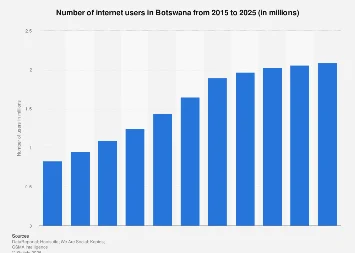
Botswana is poised for a substantial expansion in its internet user base, with projections indicating a significant uptick in digital connectivity by the year 2025. This anticipated growth is not merely a statistical footnote but a crucial indicator of the nation’s evolving economic landscape, its commitment to digital transformation, and its integration into the global digital economy. Understanding the trajectory of internet penetration in Botswana offers valuable insights into the country’s development potential, the opportunities for businesses, and the challenges that remain in achieving truly ubiquitous access.
The projected increase in internet users signifies a broadening digital divide bridge, moving beyond the urban centers to encompass a larger segment of the population. This expansion is fueled by a confluence of factors, including government initiatives aimed at improving telecommunications infrastructure, increasing affordability of digital devices and data services, and a growing awareness among citizens of the benefits of online engagement. As more Batswana come online, the demand for digital services, e-commerce, online education, and telemedicine is expected to surge, creating new avenues for economic growth and social development.
Several key drivers are underpinning this anticipated digital expansion. The government of Botswana has consistently prioritized the development of its ICT sector, recognizing its pivotal role in achieving broader national development goals. Investments in fiber optic networks, expansion of mobile broadband coverage, and policies designed to foster competition among telecommunications providers are creating a more robust and accessible digital ecosystem. These efforts are crucial in a country like Botswana, which, while rich in natural resources, has been actively seeking to diversify its economy and leverage technology for sustained growth.
Furthermore, the increasing affordability of smartphones and data plans is playing a critical role. As global supply chains mature and competition intensifies among mobile network operators, the cost of accessing the internet is gradually becoming more manageable for a larger segment of the population. This trend is particularly important in developing economies where discretionary income can be a significant barrier to digital adoption. Lower data costs and more accessible devices empower individuals to participate in the digital economy, access information, and connect with others in unprecedented ways.
The impact of this digital penetration extends far beyond individual connectivity. Economically, a more connected Botswana translates into a more competitive business environment. Businesses, both local and international, can leverage enhanced connectivity for improved operational efficiency, wider market reach, and access to a more skilled workforce increasingly adept at digital tools. E-commerce platforms are likely to see a significant boost, allowing small and medium-sized enterprises (SMEs) to transcend geographical limitations and reach a broader customer base. This can be particularly transformative for sectors like tourism, where online booking and marketing are essential.
Moreover, increased internet access is a powerful catalyst for human capital development. Educational institutions can expand their reach through online learning platforms, offering courses and resources to students in remote areas. This democratizes access to knowledge and skills training, which is vital for equipping the workforce for the demands of the 21st-century economy. Similarly, the healthcare sector can benefit from telemedicine, enabling remote consultations and diagnostics, thereby improving access to medical expertise, especially in underserved regions.
However, the path to full digital inclusion is not without its challenges. While the overall numbers are projected to rise, disparities in access may persist. Rural areas and lower-income households might still face significant hurdles in terms of infrastructure availability and affordability. Ensuring that the benefits of digital transformation are shared equitably across all segments of society remains a critical policy objective. Bridging this digital divide requires continued strategic investment in infrastructure, targeted subsidies, and digital literacy programs.
Globally, Botswana’s digital trajectory is part of a broader trend across the African continent, where internet penetration rates have been steadily increasing. Many African nations are recognizing the immense potential of the digital economy to drive innovation, create jobs, and foster inclusive growth. Botswana’s efforts align with this continental ambition, positioning itself as a participant in the burgeoning digital landscape. Comparative analysis with regional peers reveals that while some nations have achieved higher penetration rates due to factors like earlier infrastructure development or larger urban populations, Botswana’s focused approach on strategic investments and policy reforms is yielding promising results.
Statistics from international telecommunications bodies often highlight the rapid growth of mobile internet subscriptions in Africa as a primary driver of overall penetration. For Botswana, this means that mobile broadband will likely continue to be the dominant mode of internet access for the foreseeable future, underscoring the importance of mobile-first digital strategies. The government’s commitment to spectrum allocation and regulatory frameworks that encourage mobile network expansion will be paramount in sustaining this growth.
Beyond infrastructure, the development of digital content and services relevant to the local context is crucial for sustained user engagement. As the internet user base expands, there will be an increasing demand for localized applications, online services, and digital media that cater to the specific needs and interests of Batswana. This presents opportunities for local entrepreneurs and technology developers to innovate and create value within the domestic digital ecosystem.
The economic impact of increased internet usage is multifaceted. It can lead to enhanced productivity across various sectors, stimulate innovation, and create new employment opportunities in the ICT sector and related digital industries. For instance, the growth of the gig economy, facilitated by online platforms, can provide flexible work opportunities for individuals. Furthermore, improved access to information can empower citizens to make more informed decisions, participate more actively in civic life, and hold their institutions accountable.
In conclusion, the projected increase in internet users in Botswana by 2025 is a testament to the nation’s forward-looking approach to digital development. This expansion is not merely about numbers; it represents a fundamental shift towards a more connected, informed, and economically dynamic society. While challenges related to equitable access and digital literacy persist, the ongoing investments and strategic focus on ICT infrastructure and policy reforms suggest a positive outlook for Botswana’s digital future, positioning it to harness the full potential of the digital revolution for sustainable and inclusive growth.